Interactive Media · 2023
Lakṣana
相
Four Images of the Buddha Shadow
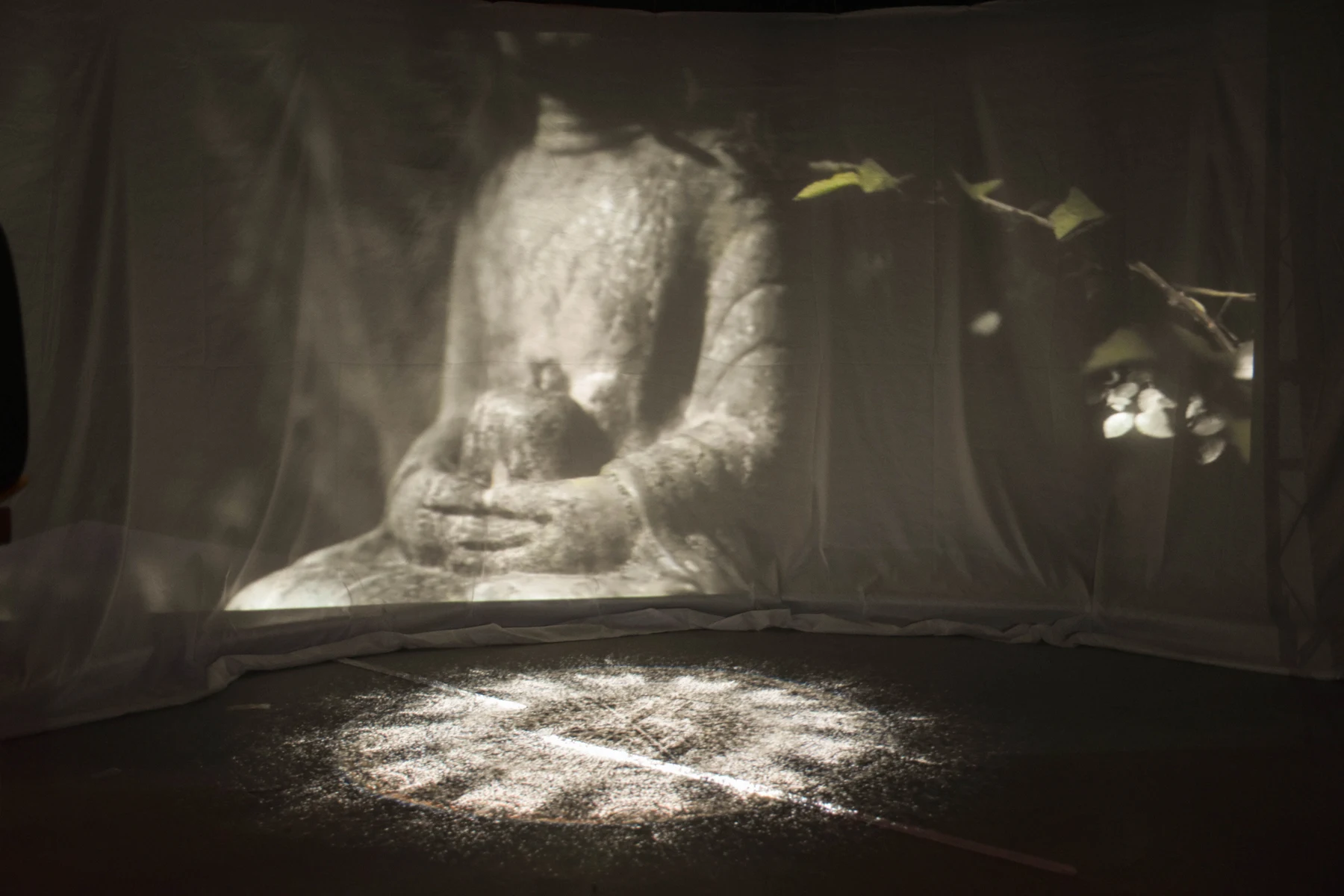
A four-act new-media work tracing the Buddha Shadow from physical trace to spiritual image through moving image, point-cloud caves, and EEG-driven visualization.
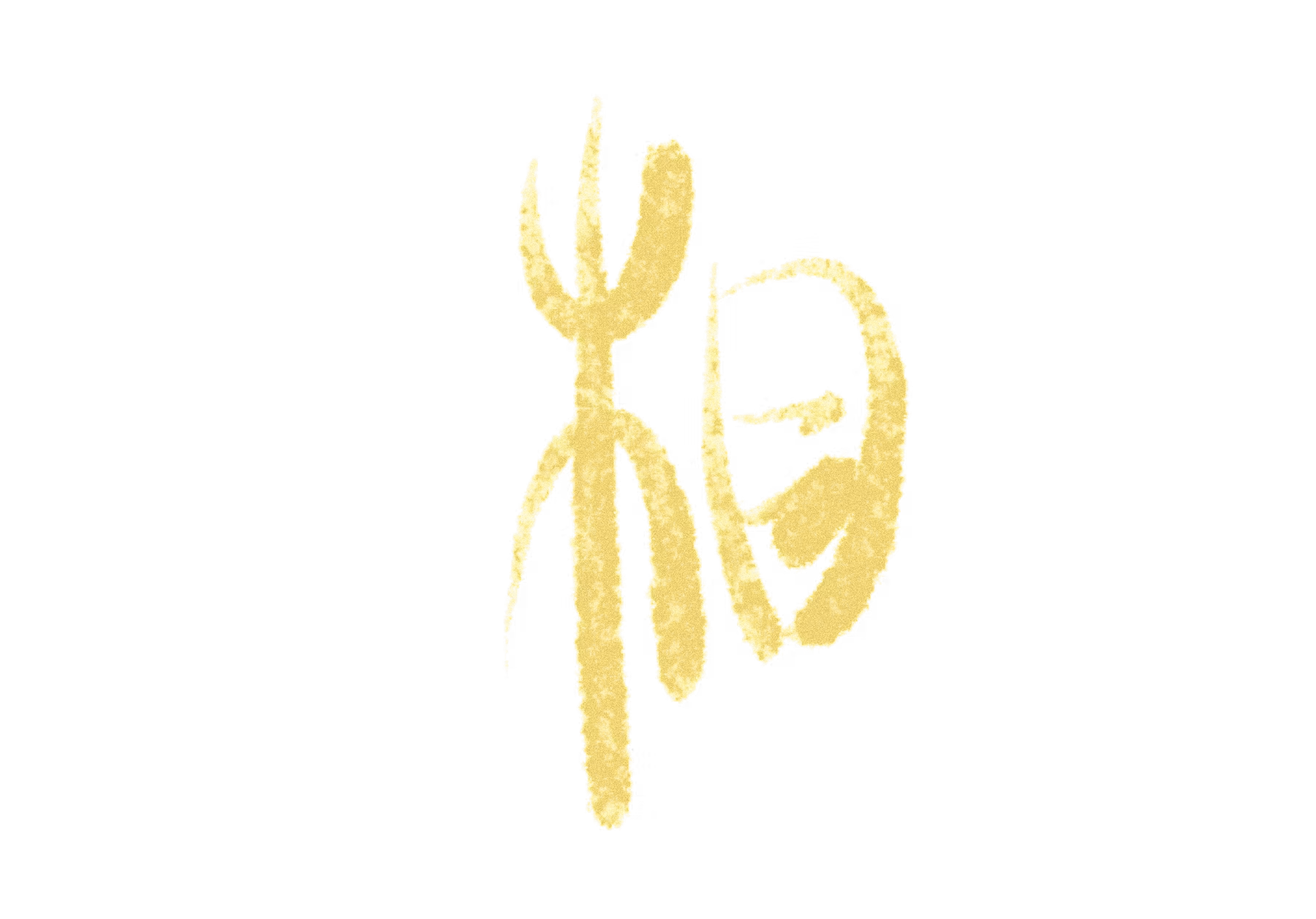
相 · Lakṣana
lakṣana
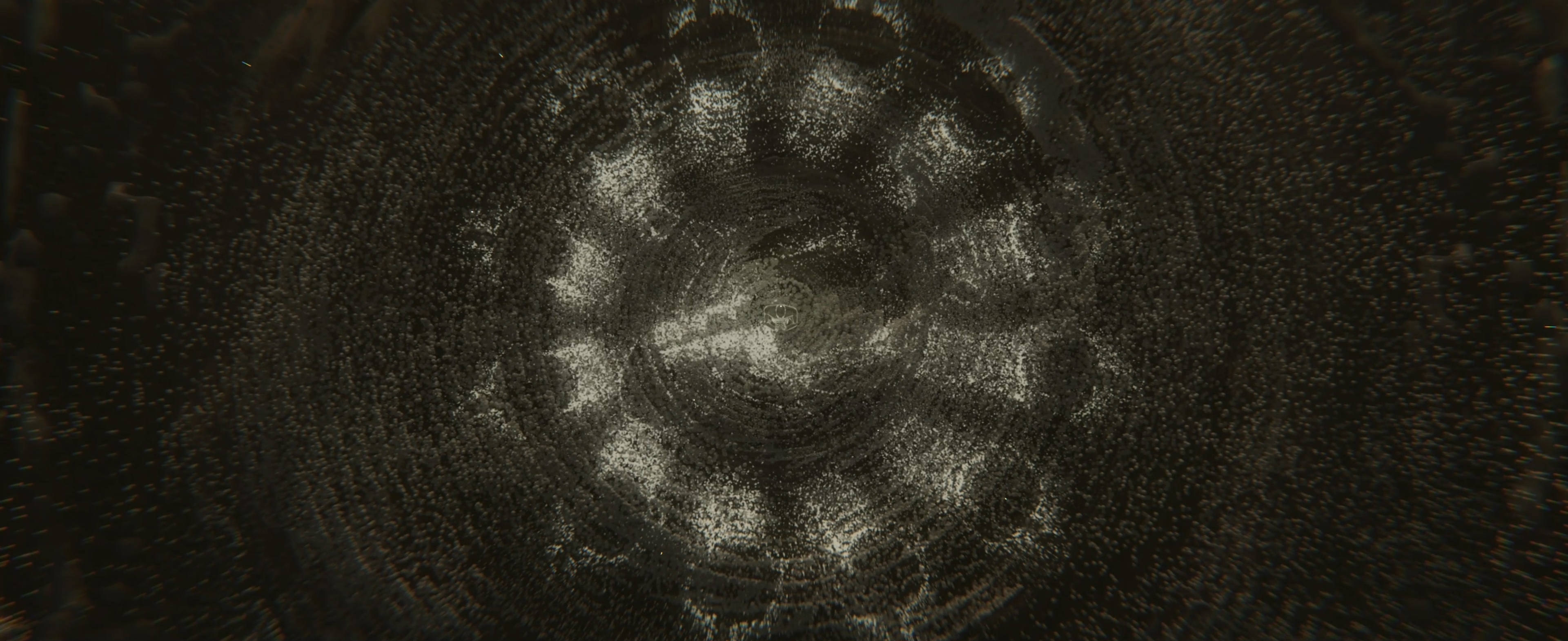
《相》灵感源自约公元 400 年的佛教艺术核心神话。据传在犍陀罗古国的那竭城(今阿富汗),佛祖释迦牟尼曾踊身跃入悬崖边洞窟中,留下“佛影”。此后,随着经文和朝圣者的传播,“佛影窟”启发了亚洲各地千年来造像和造窟。信徒们透过禅修冥想追寻“佛影”,塑造自己的“影窟”,将物理空间转化为心灵剧场。
本项目从“佛影窟”典故出发,旨在探讨“佛影窟”中“佛影”图像的四重内涵,并从思考图像与视觉的角度去思考,如何在跨越历史与文化语境下还原“洞窟”给人的感官体验,如何用新媒体技术去记录、展现“可见的”与“不可见的”图像的力量。
Lakṣana is inspired by a myth central to Buddhist art from circa 400 AD. According to legend, in the ancient city of Gandhara (now Afghanistan), the Buddha Sakyamuni once jumped into the cave on the edge of the cliff, leaving a “Buddha shadow”. Since then, with the spread of scriptures and pilgrims, the “Buddha Shadow Cave” has inspired statues and cave-making all over Asia for thousands of years. Believers pursue the “Buddha’s shadow” through meditation and meditation, create their own “shadow cave”, and transform the physical space into a spiritual theater.
Starting from the allusion of the “Buddha Shadow Cave”, this project aims to explore the four connotations of the “Buddha Shadow” image in the “Buddha Shadow Cave”, and from the perspective of thinking about images and visions, how to create images across historical and cultural contexts. To restore the sensory experience of the “cave”, how to use new media technology to record and show the power of “visible” and “invisible” images.
第一幕
ACT ONE
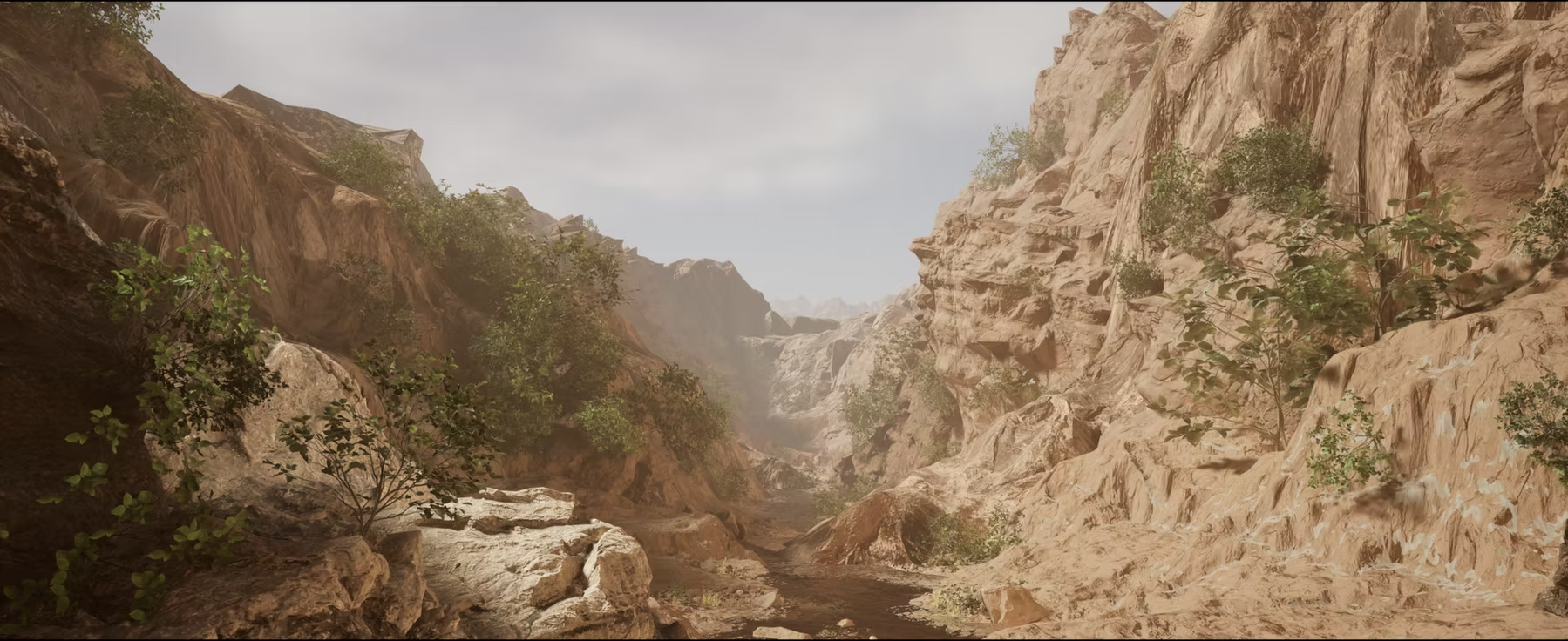
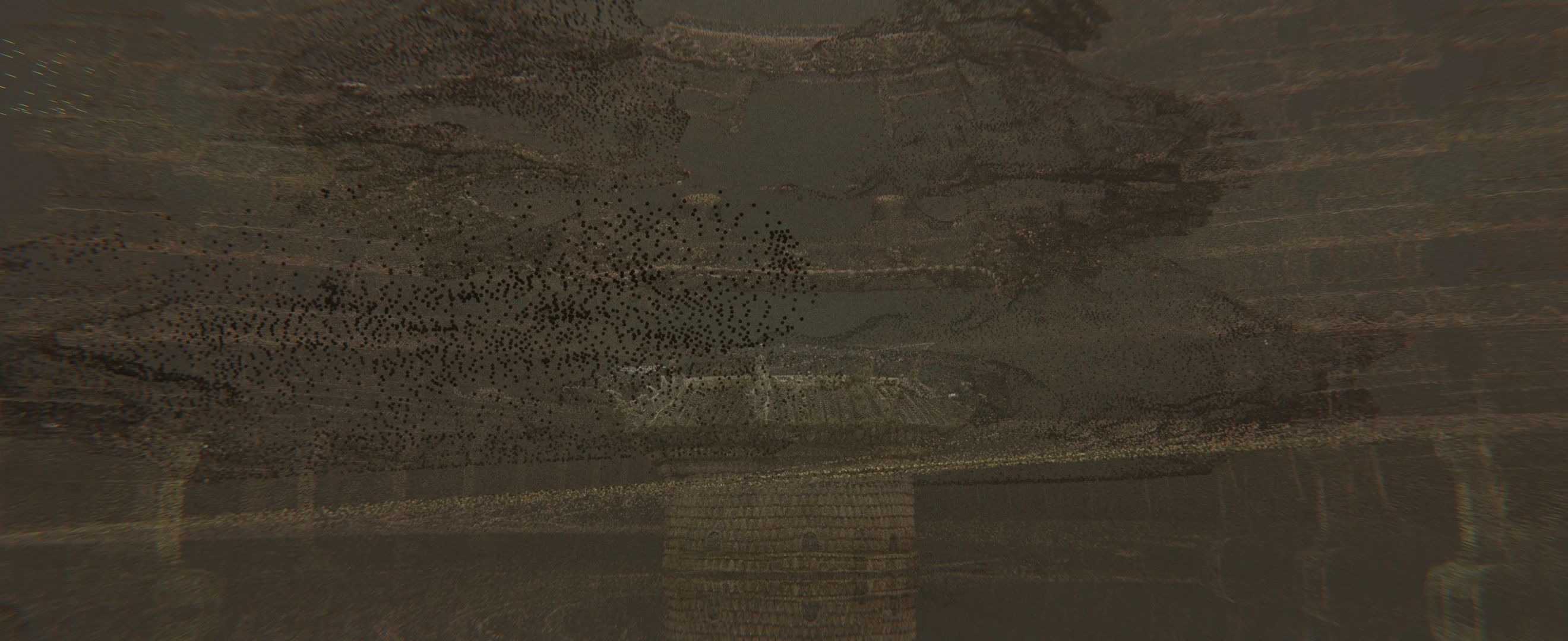
那竭城南半由延,有石室,博山西南向,佛留影此中。去十余步观之,如佛真形。金色相好,光明炳著。转近转微,仿佛如有。诸方国王遣工画师摹写,莫能及。
——法显(337–422)《法显传》Half a yojana south of Nagarahara is a stone chamber in the side of a mountain, facing southwest, where the Buddha left his shadow. Viewed from more than ten paces away, it appears like the Buddha’s true form, golden in color and radiant. As one draws nearer it becomes faint, seeming present yet elusive. Kings from many lands sent artisans and painters to copy it, but none could reproduce it.
Faxian (337–422), A Record of Buddhist Kingdoms
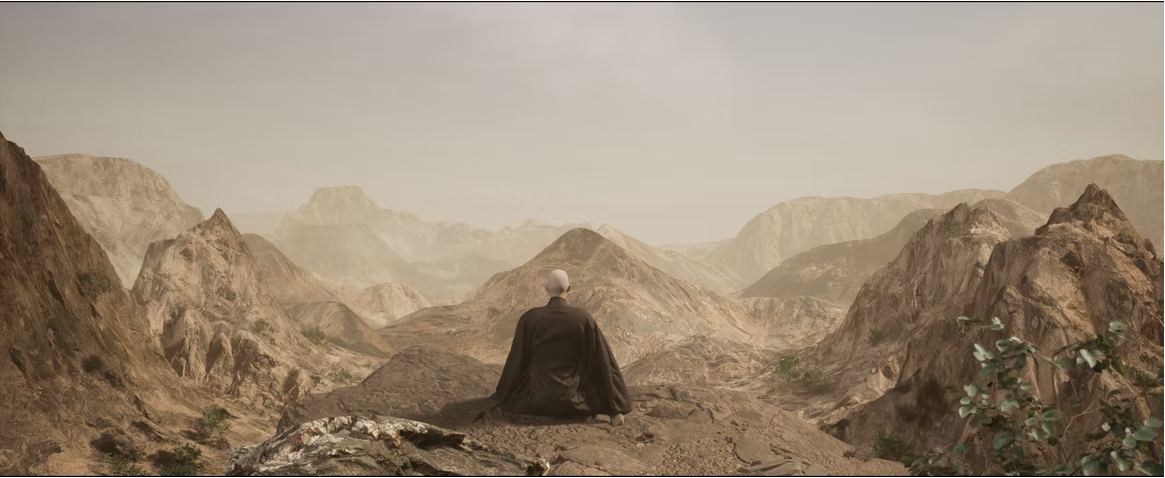
“佛影窟”神话中,释迦牟尼为感化龙王而现身,经文中的“佛”为佛陀实体,“影”自释迦牟尼的实体而生。这里的“佛影”趋近于“影”的本意,即遮日光而生之晦暗色,为暗像。但这里的“影”有金光相伴,是为神学化描绘。佛陀为感悟恶龙,在洞窟内留下自己的影子,见“佛影”如见佛,“佛影”成为了释迦牟尼佛的象征。
In the myth of “Buddha Shadow Cave”, Sakyamuni appeared to influence the Dragon King. The “Buddha” in the scriptures is the entity of Buddha, and the “shadow” was born from the entity of Sakyamuni. The Buddha’s shadow here is close to the original meaning of “shadow”, that is, the thin dark color produced by blocking the sun, which is a dark image. But the “shadow” here is accompanied by golden light, which is a theological description. The Buddha left his own shadow in the cave in order to understand the evil dragon. Seeing the Buddha Shadow is like seeing the Buddha, and the Buddha Shadow has become a symbol of Sakyamuni Buddha.
依据 / Historical reference
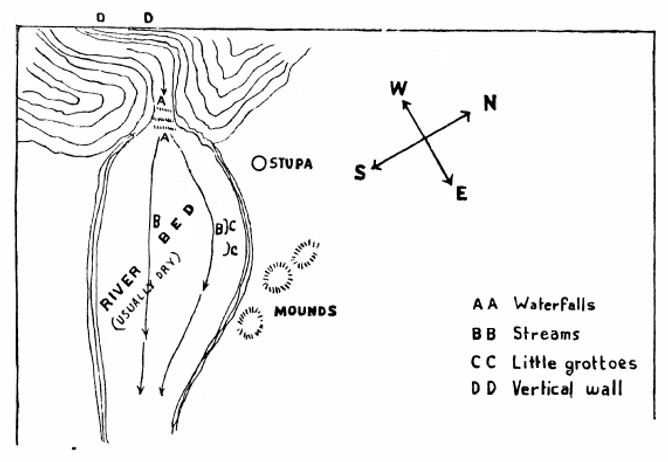
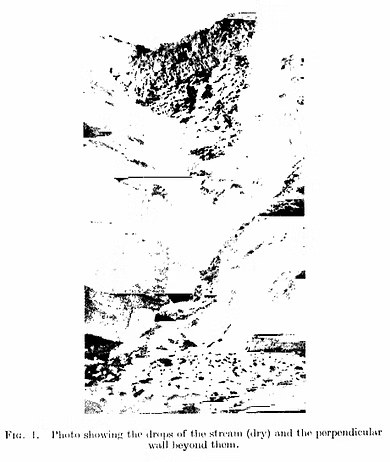
图源 / Source: Caspani, E. (1945) — Cave of the Shadow of the Buddha at Nagarahara: Identification of the locality
文献 Literature
既至窟所,窟在石涧东壁,门向西开,窥之窈冥,一无所睹。老人云:“师入,触东壁讫,却行五十步许,正东而观,影在其处。”法师入,信足而前,可五十步,果触东壁讫,却立,至诚而礼百余拜,一无所见。(《大慈恩寺三藏法师传》卷二)
On reaching the cave, he found it in the eastern wall of a rocky ravine, with its entrance opening to the west. Looking inside, he saw only profound darkness. An old man told him: “Enter, touch the eastern wall, then step back about fifty paces and look due east; the shadow is there.” The master entered and moved forward with confidence. After about fifty paces he touched the eastern wall, stepped back, and bowed with complete sincerity more than a hundred times, yet saw nothing. (Biography of the Tripitaka Master of the Great Ci’en Monastery, vol. 2)
“佛影”图像第一义——再现的对象
The First Meaning of “Shadow of Buddha” Image——The Object of Reappearance
第二幕
ACT TWO
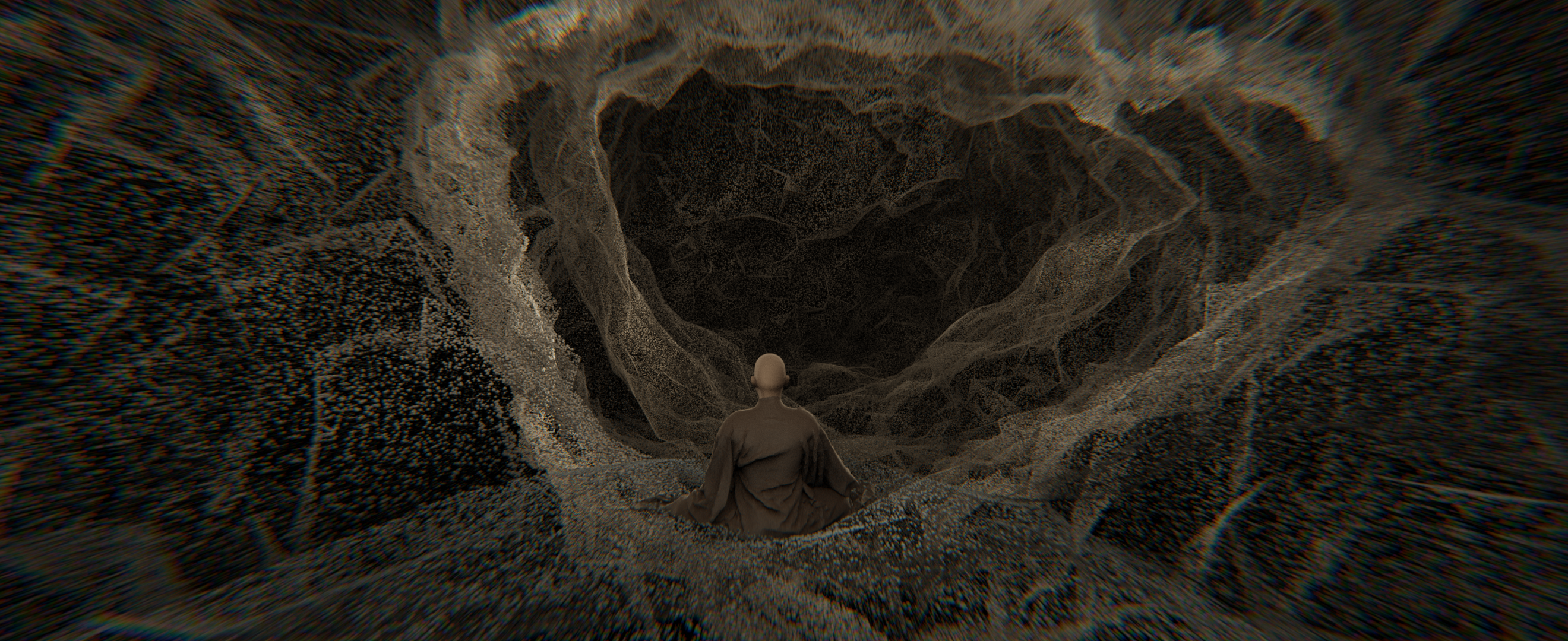
如是更二百余拜,遂一窟大明,见如来影皎然在壁,如开云雾忽瞩金山,妙相熙融,神姿晃昱,瞻仰庆跃,不知所譬。佛身及袈裟并赤黄色,自膝已上相好极明,华座已下稍似微昧,左右及背后菩萨、圣僧等影亦皆具有。
——《大唐慈恩三藏法师传》After more than two hundred further prostrations, the entire cave suddenly grew bright. The Tathagata’s shadow appeared clearly upon the wall, as though clouds and mist had opened to reveal a golden mountain. Its wondrous features glowed and its sacred bearing shone. Above the knees, the Buddha’s body and reddish-gold robe were perfectly clear; below the lotus seat they appeared somewhat dim. The shadows of bodhisattvas and holy monks to either side and behind were also fully present.
Biography of the Tripitaka Master of the Great Ci’en Monastery
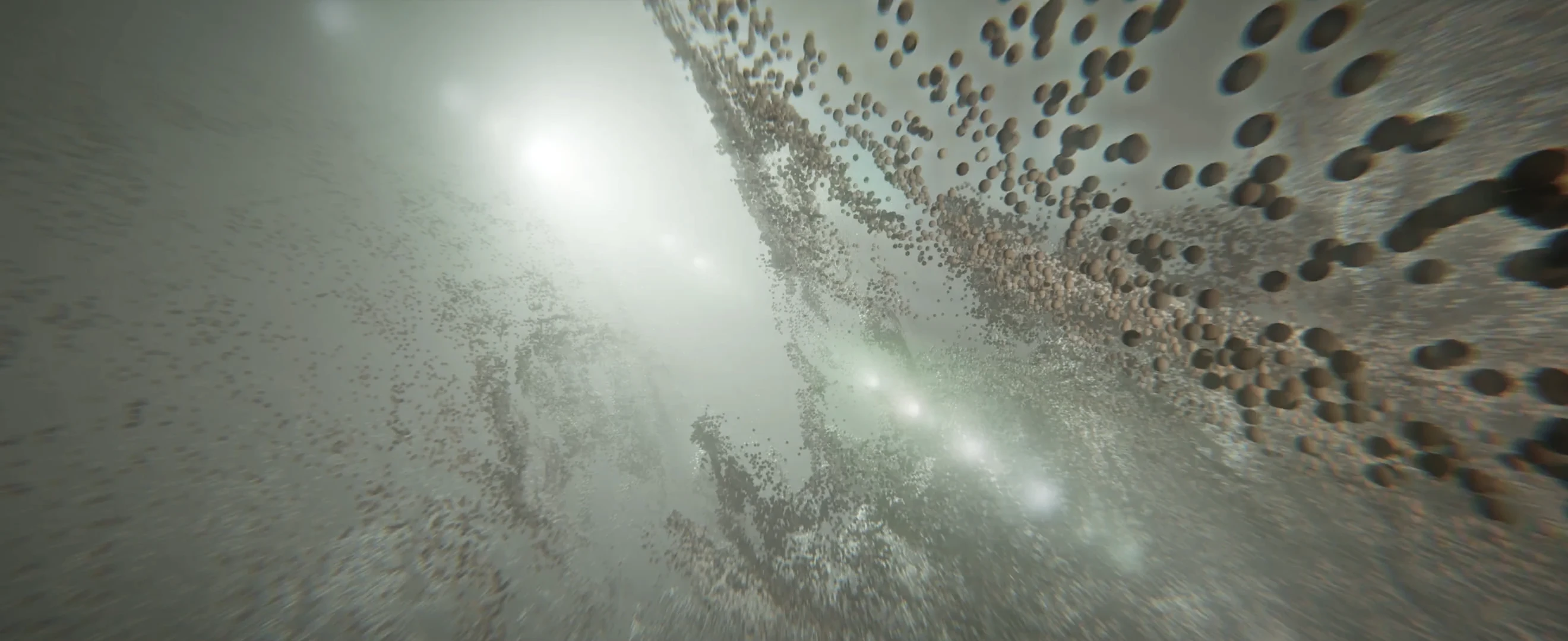
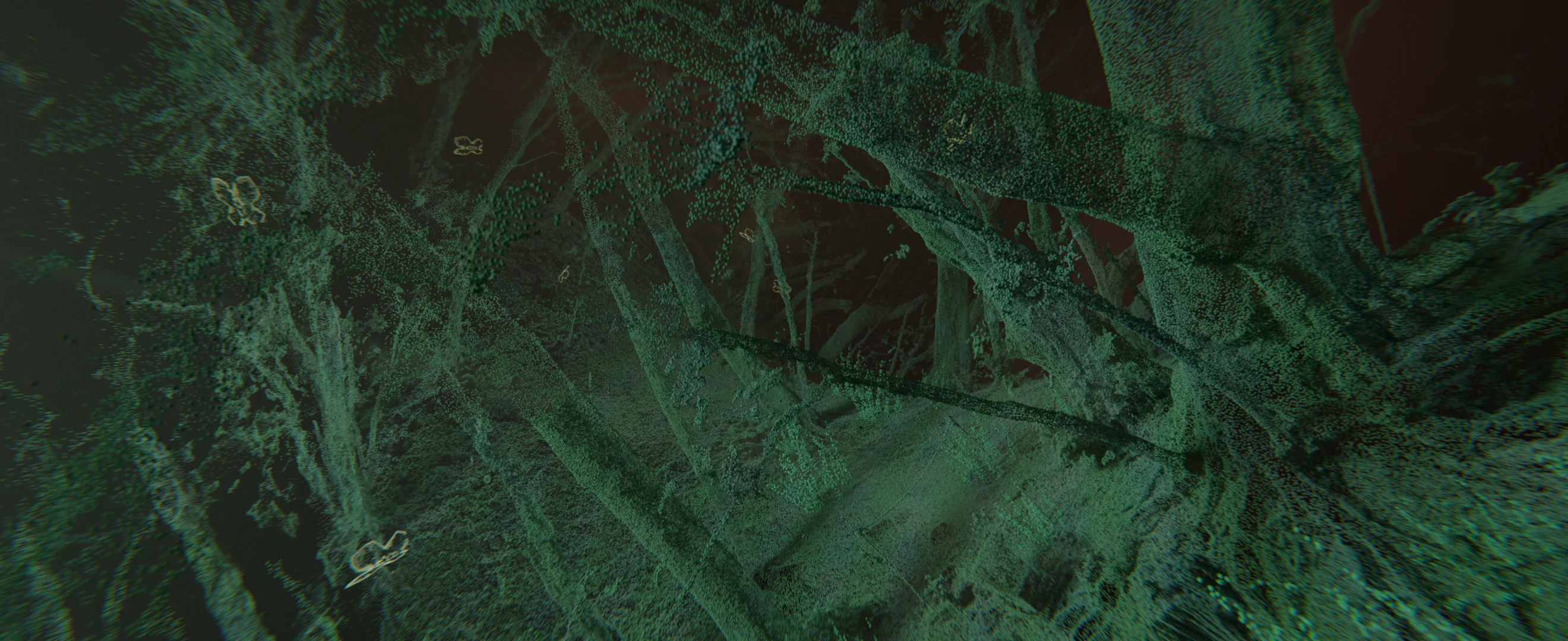
后玄奘西行之时,曾特地前往“影窟”所在地瞻仰“佛影”。文本中把玄奘所见称为“如来影”,而非“如来”,没有假装是真正的佛陀现身。此时“玄奘”所见之“如来”并非释迦牟尼实体,“如来影”已不是依托于实体而生之“影”。它脱离了“影”的本意,是一种幻象,是具有“佛”的意向的一个象征,带有了一种“实”的倾向与意味。这种“实”的趋向是向着佛教真谛的靠近,带有“佛”内涵的影、像为“触达佛陀”提供了一种物质性的媒介。
When Hou Xuanzang traveled westward, he made a special trip to the location of the “Shadow Cave” to pay homage to the “Shadow of Buddha”. The text refers to what Xuanzang saw as a “shadow of the Tathagata” rather than “the Tathagata”, without pretending to be the real Buddha appearing. At this time, the “Tathagata” seen by Xuanzang is not the entity of Sakyamuni, and the “Shadow of the Tathagata” is no longer a “shadow” that relies on the entity. It deviates from the original meaning of “shadow”, and is an illusion, a symbol with the intention of “Buddha”, with a tendency and meaning of “real”. This “real” tendency is to approach the true meaning of Buddhism. Shadows and images with the connotation of “Buddha” provide a material medium for “touching Buddha”.
“佛影”图像第二义——“触达佛陀”的物质性媒介
The Second Meaning of “Buddha Shadow” Image——The Material Medium of “Touching Buddha”
解了诸法,如幻、如焰、如水中月、如虚空、如响、如揵闼婆城、如梦、如影、如镜中像、如化。
Having understood all phenomena: like an illusion, a flame, the moon reflected in water, empty space, an echo, a city of the Gandharvas, a dream, a shadow, an image in a mirror, and a transformation.
——《大智度论》卷六The Treatise on the Great Perfection of Wisdom, Fascicle 6
第三幕
ACT THREE
近代已来,人不遍睹。纵有所见,髣髴而已。至诚祈请,有冥感者,乃暂明视。
——《西域记》In more recent times, no one has been able to see it in full. Even when something is seen, it remains indistinct. Only those who pray with utmost sincerity and receive a hidden response may glimpse it clearly for a moment.
Great Tang Records on the Western Regions
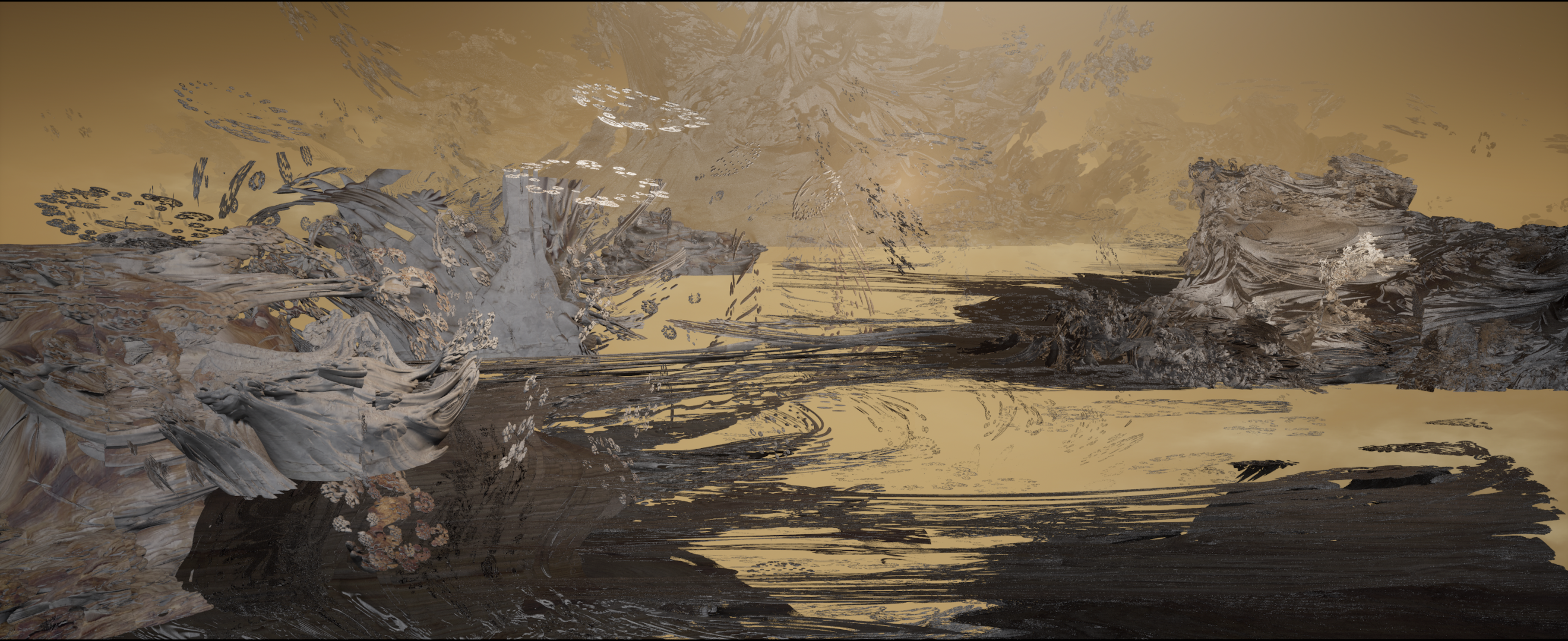
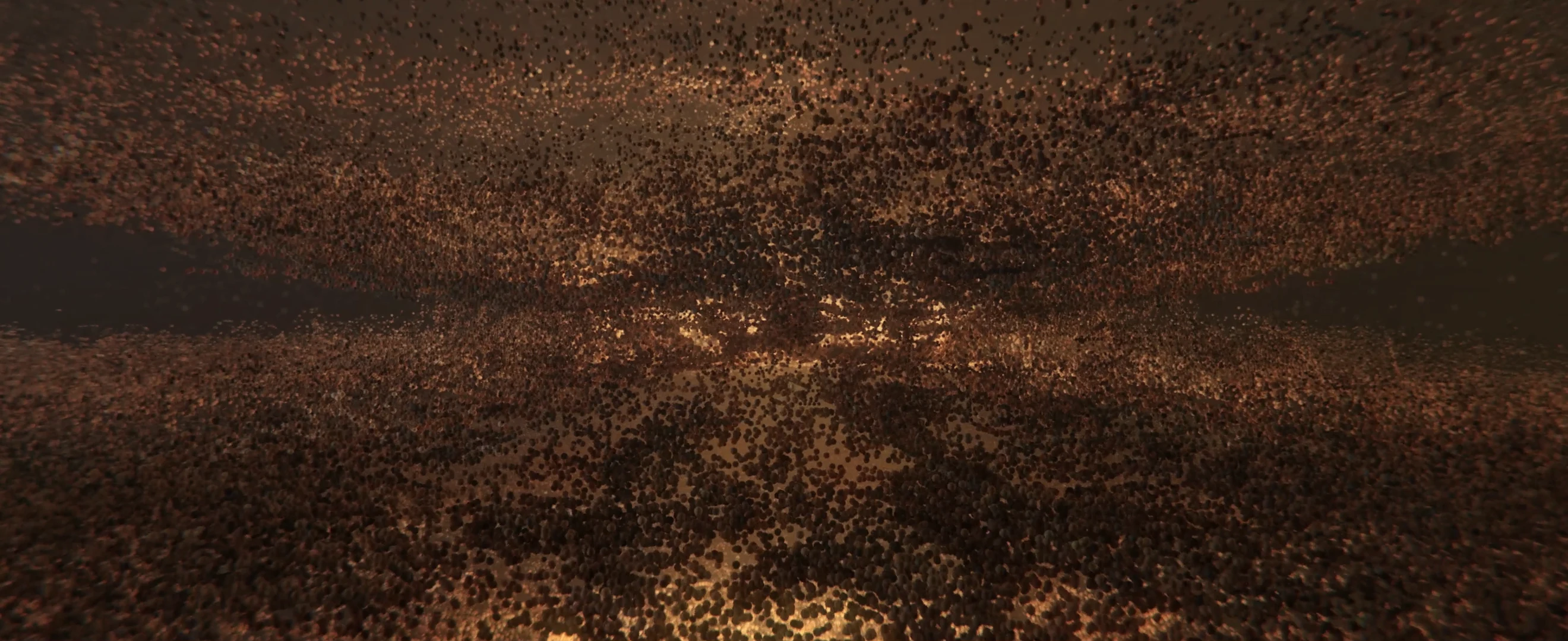
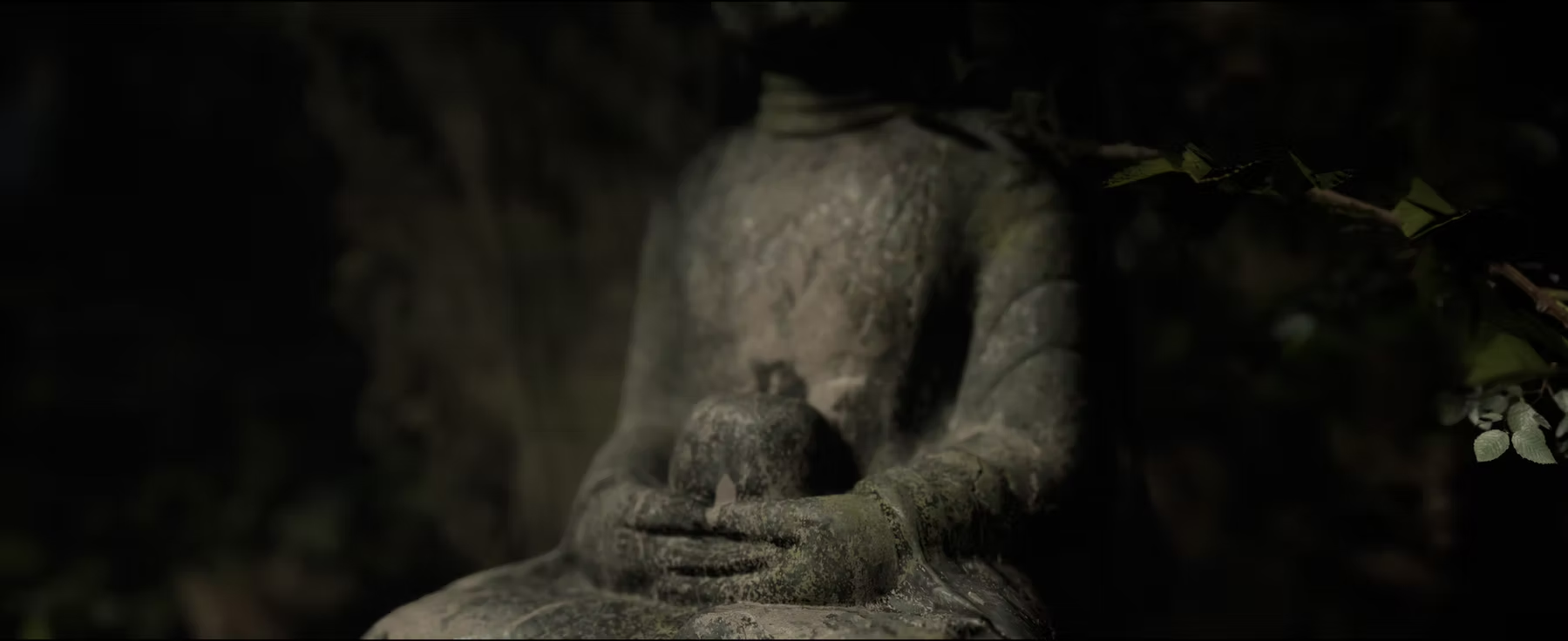
佛教造像始自印度贵霜时代的犍陀罗,在印度各地不断完善,之后传向东南亚各国和中国。在这漫长的传播过程中,佛像造像风格随着各地风貌几经变迁。但造像运动真正兴起,即大量佛像的建造,仍是基于传教的需要。研读佛经、圣地访学等方式虽也可领悟佛理,但门槛过高,并非人人都具有高深的佛理造诣。对于普通人而言,理解佛经与领会佛理并不容易,要如玄奘般达到瞥见“佛影”的境界就更加困难。对于传教的需求而言,直观形象的佛像比艰深难懂的佛经更容易引起信徒的崇拜。于是,为了使每个信徒都能受到佛光庇佑,开始大量建造佛像。实体佛像是对具有佛的象征的“影”的进一步转译。将“佛”的内涵以更加直观的方式展现。
Buddhist statues began in Gandhara in the Kushan period of India, and were continuously perfected in various parts of India, and then spread to Southeast Asian countries and China. During this long process of dissemination, the style of Buddha statues has changed several times with the style of various places. However, the real rise of the statue movement, that is, the construction of a large number of Buddha statues, was still based on the need for missionary work. Although studying Buddhist scriptures and visiting holy places can also comprehend Buddhist principles, the threshold is too high, and not everyone has profound Buddhist attainments. For ordinary people, it is not easy to understand Buddhist scriptures and principles, and it is even more difficult to achieve the state of seeing the “shadow of Buddha” like Xuanzang. For the needs of preaching, the intuitive images of Buddha statues are more likely to arouse the worship of believers than the difficult Buddhist scriptures. Therefore, in order to enable every believer to be blessed by the Buddha’s light, a large number of Buddha statues began to be built. The physical Buddha statue is a further translation of the “shadow” with the symbol of Buddha. It shows the connotation of “Buddha” in a more intuitive way.
“佛影”图像第三义——“佛影”的实体化
The Third Meaning of “Buddha Shadow” Image——The Materialization of “Buddha Shadow”
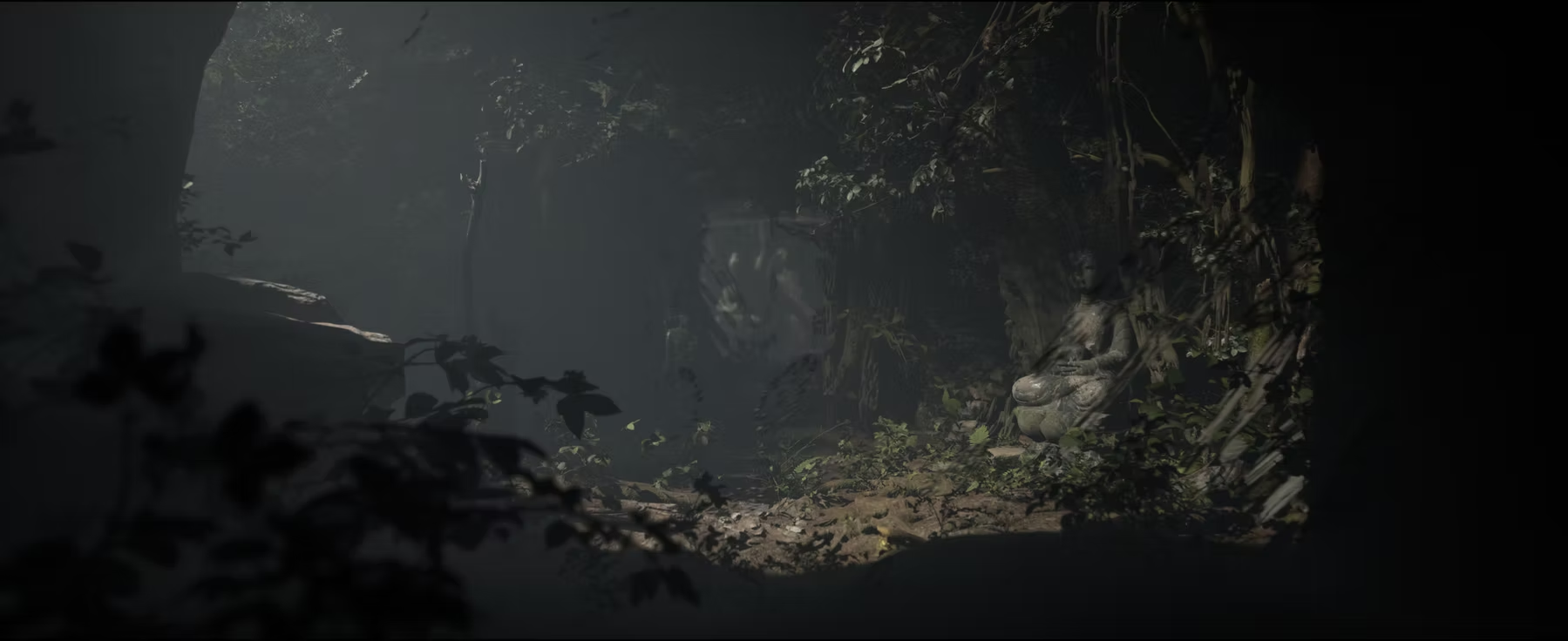
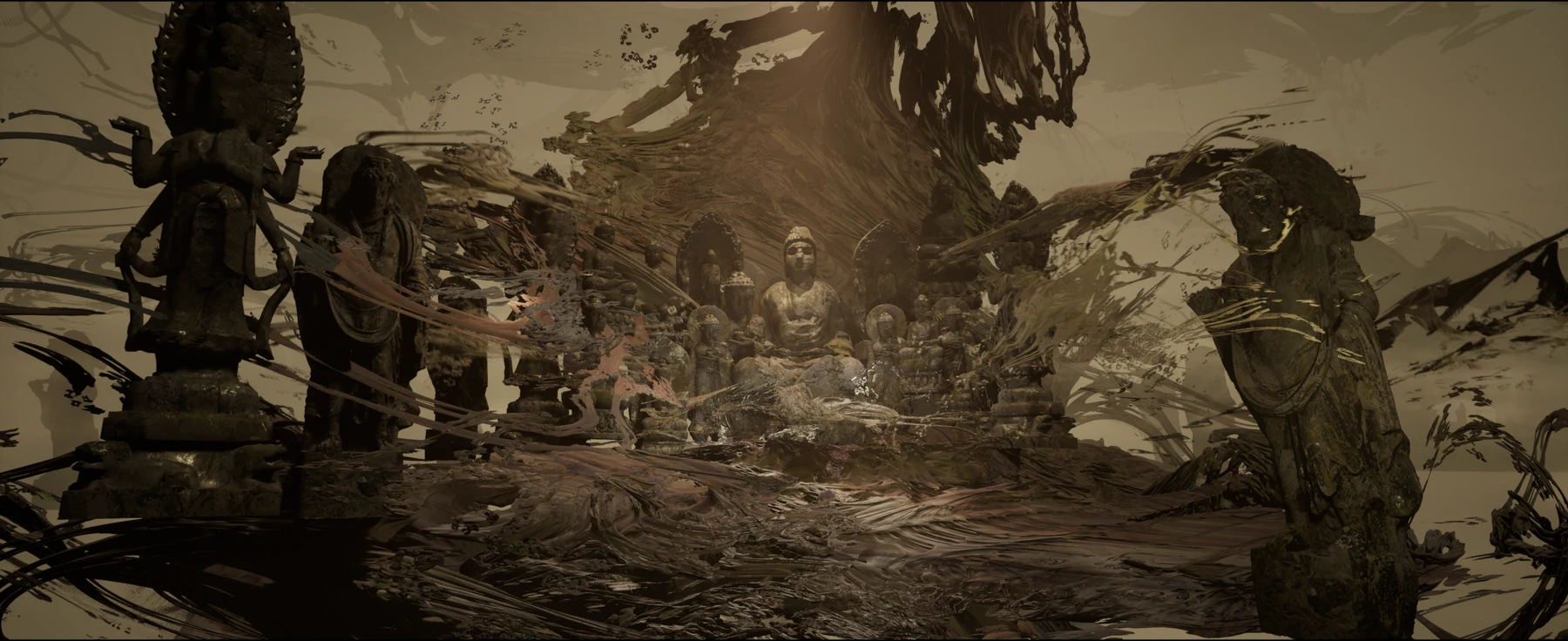
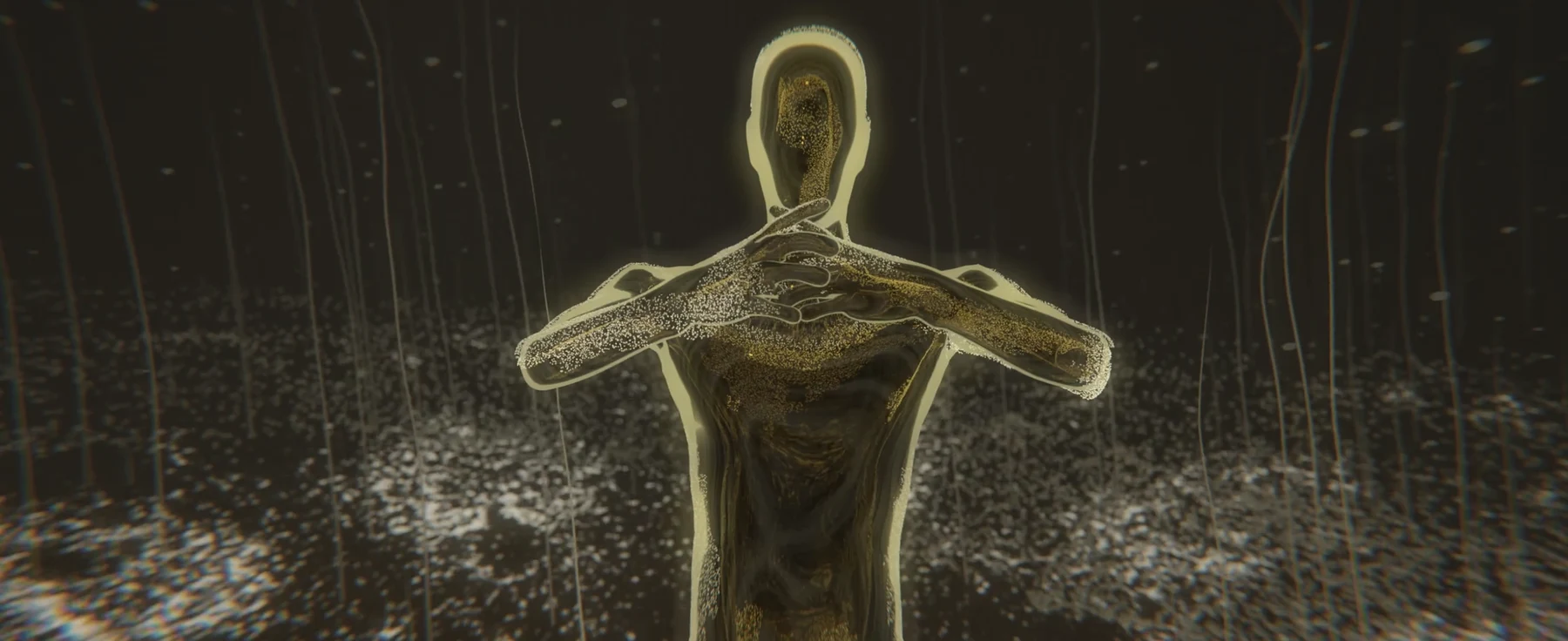
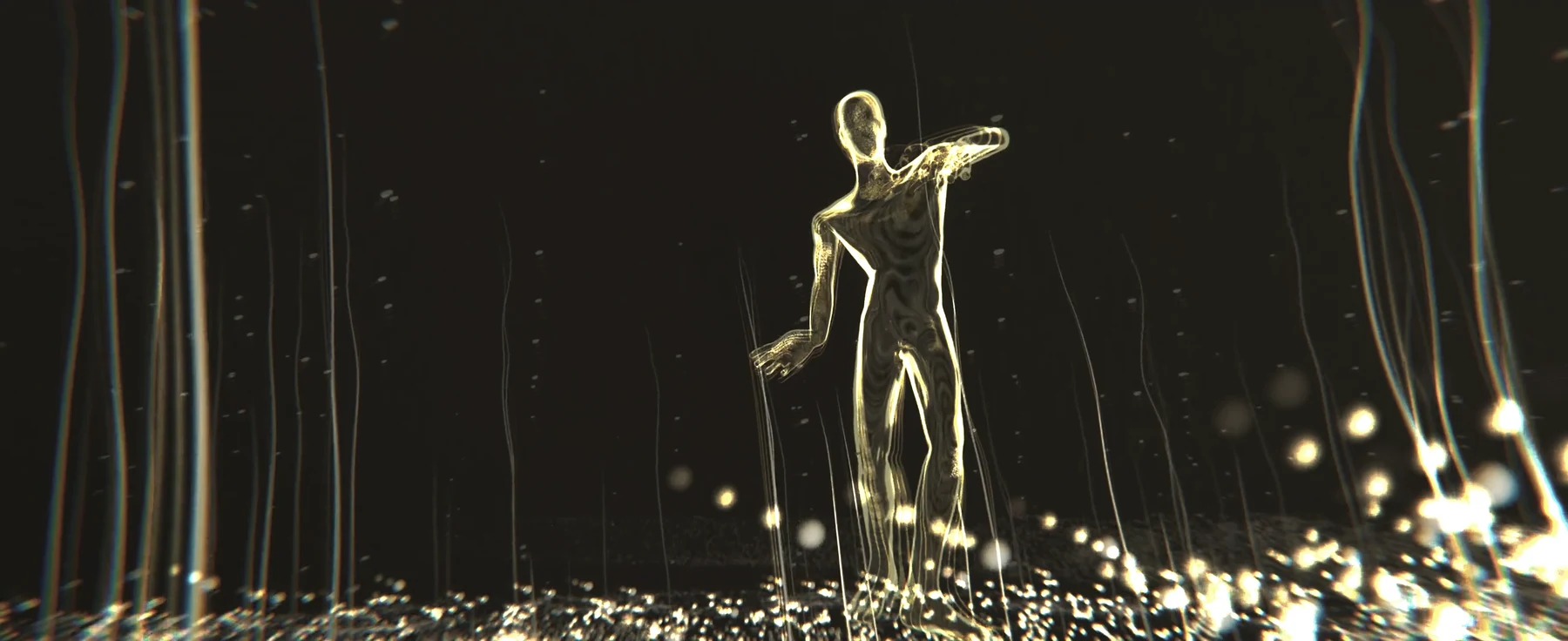
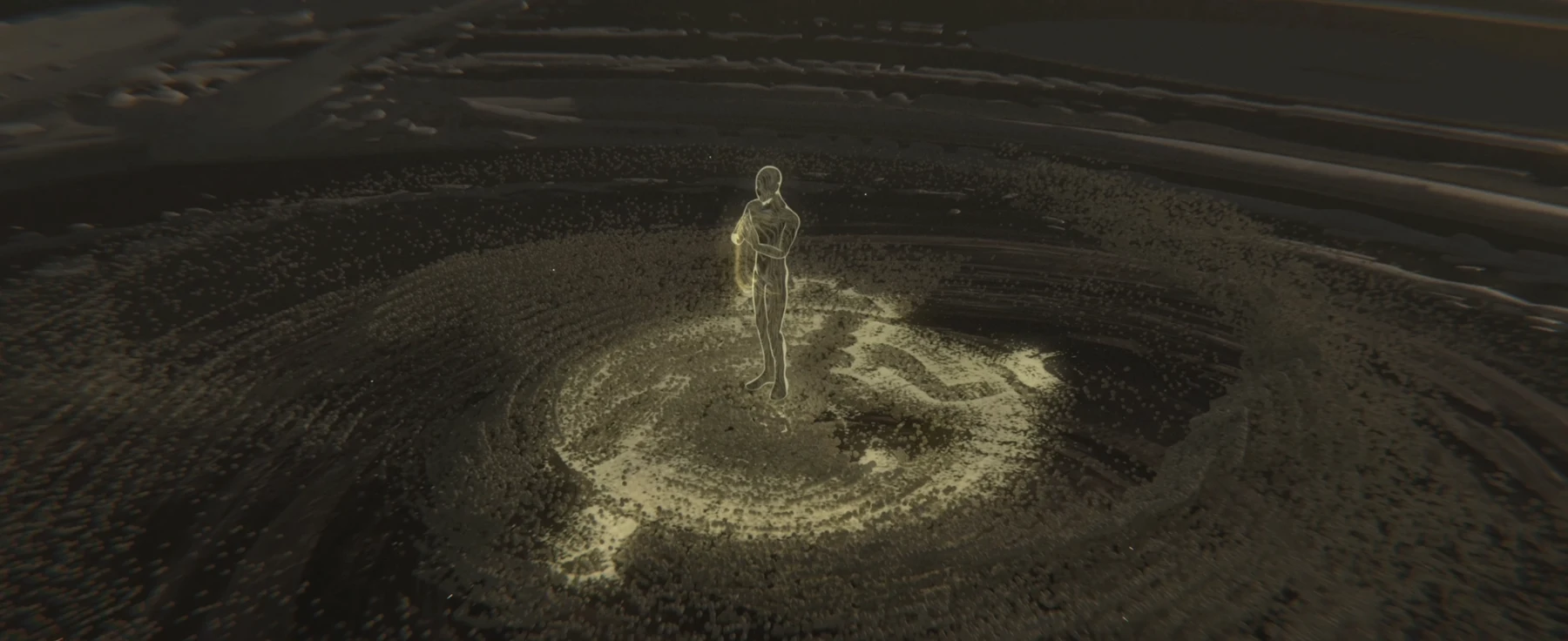
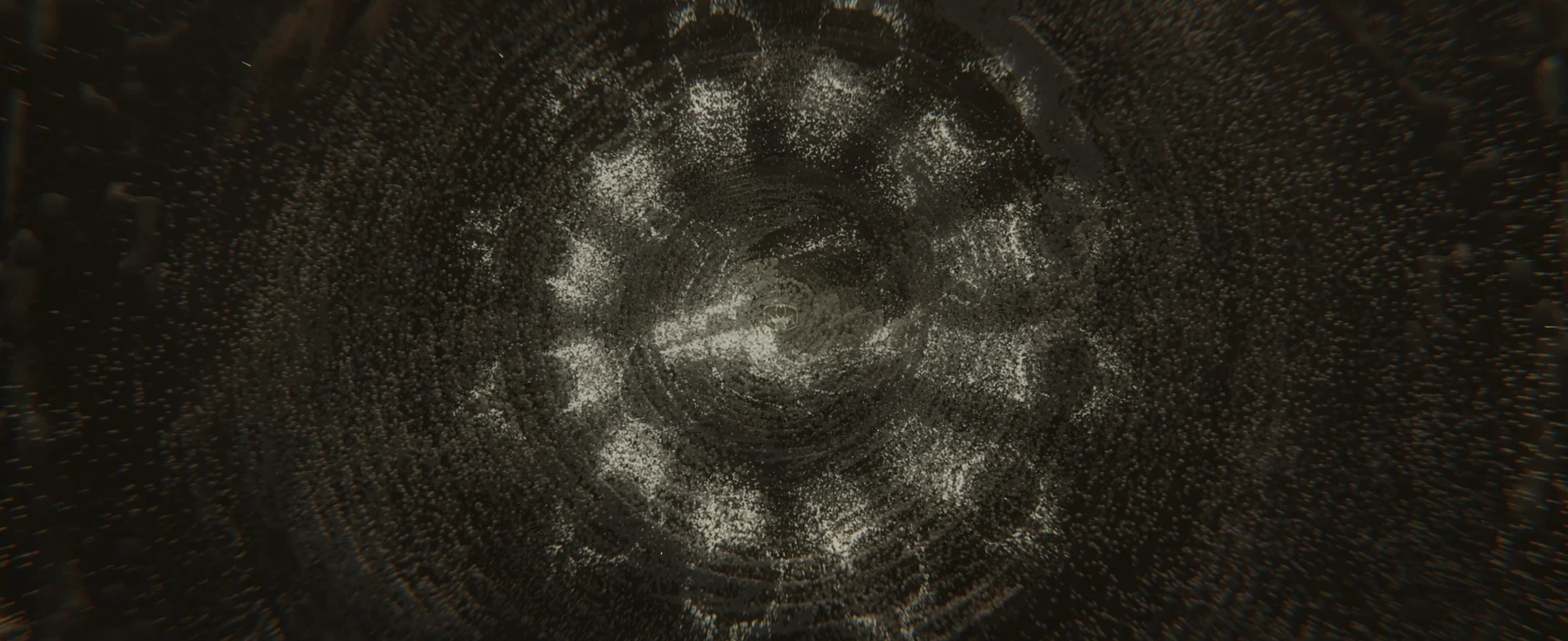
信徒朝圣部分—创作过程Pilgrimage — Creation Process
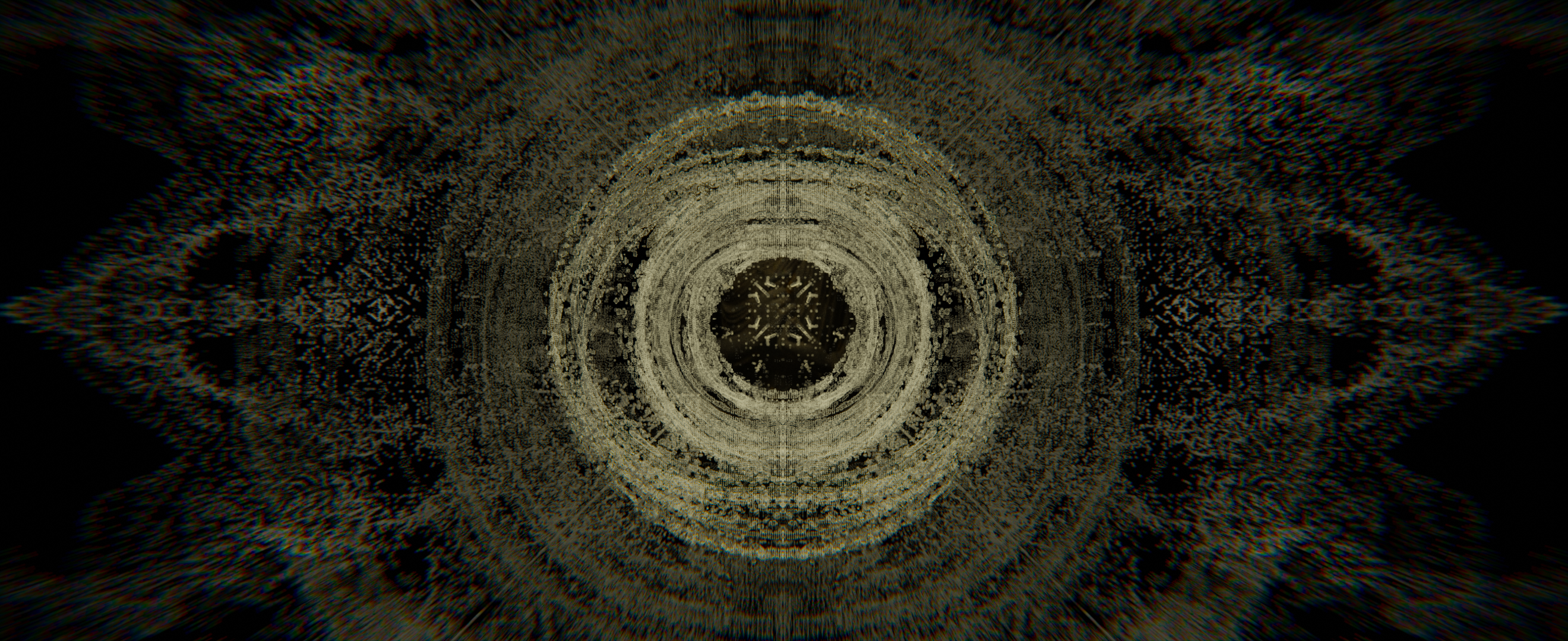
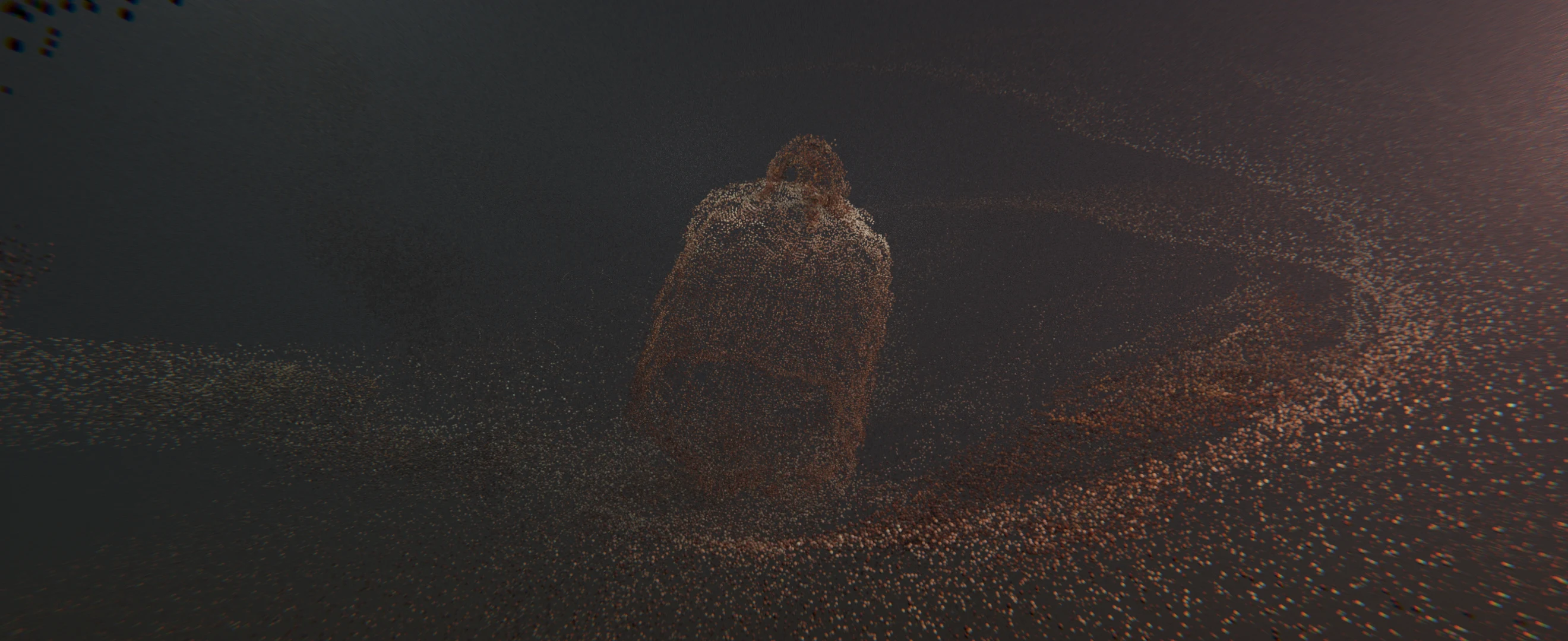
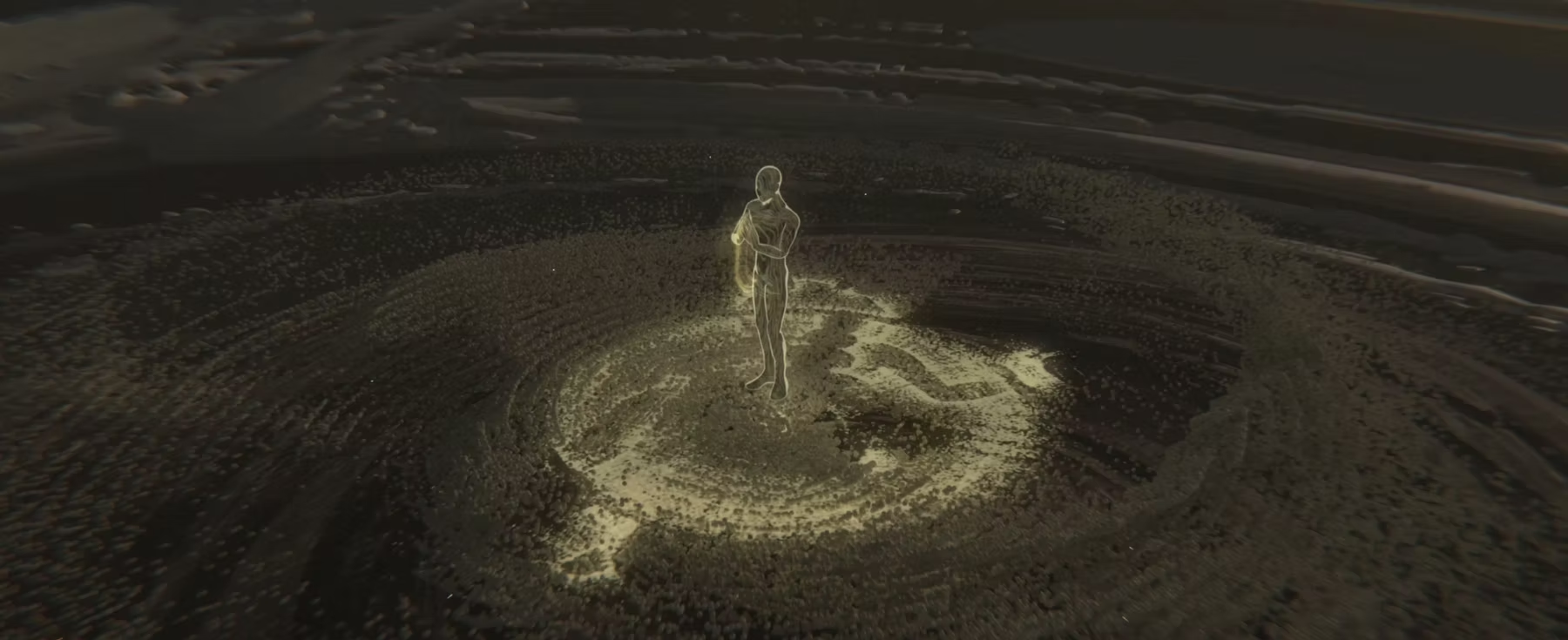
在《相》的第三幕中,信徒朝圣从面对实体佛像的礼拜,延伸为对内在“相”的感知。作品将参与者观看第二幕与第三幕时记录的脑电活动作为图像生成的数据来源,使对佛像的观看转化为持续变化的视觉形态。脑电在这里不是对思想内容的读取,而是一种影响图像变化的生理信号。
In Act III of Lakṣana, pilgrimage extends from the worship of a physical Buddha image to the perception of an inward appearance. EEG activity recorded while participants watched Acts II and III becomes data for image generation, translating the act of viewing into a continuously changing visual form. The work does not treat EEG as a means of reading thoughts; it uses the signal as a variable that modulates the image.
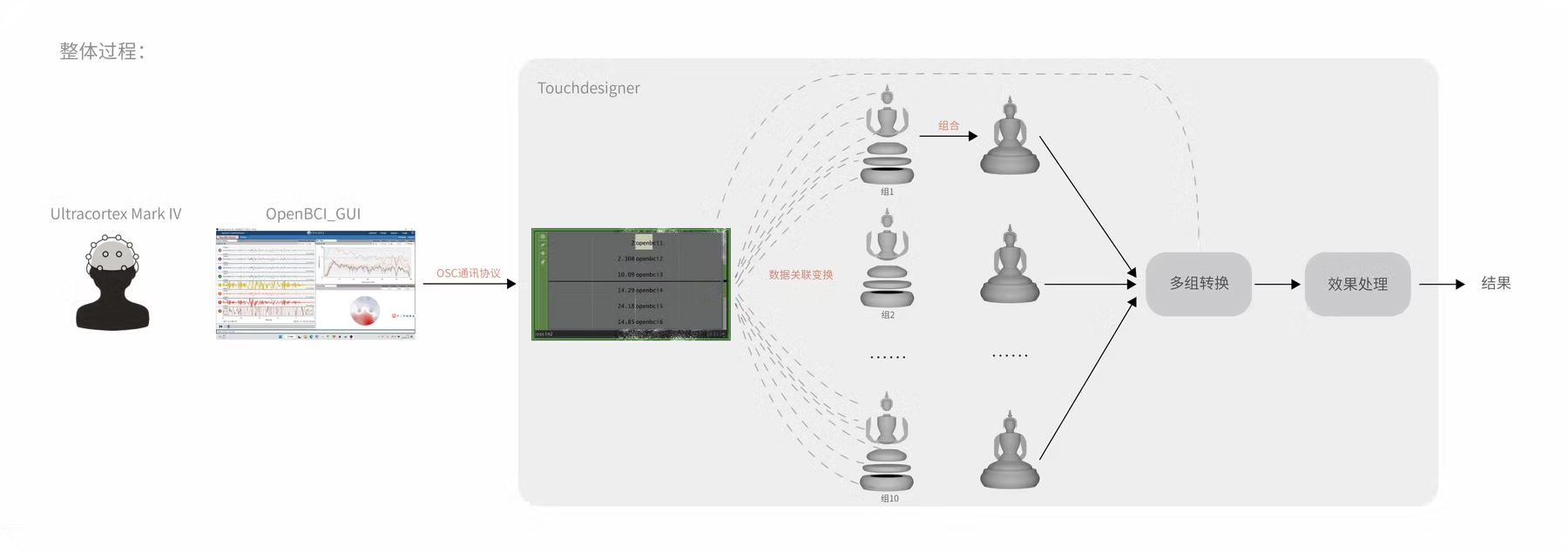
视觉结构以《造像度量经》所记录的佛像比例为参照。佛像经三维建模后被拆分为头部、身体、四肢、底座、头光与背光等组件,并在 TouchDesigner 中重新组合。原本用于规范造像的稳定尺度,由此转化为能够随数据改变的数字结构。
The visual structure draws on the proportional system recorded in the Buddhist Canon of Image Measurement. After 3D modelling, the Buddha figure is separated into components including the head, torso, limbs, pedestal, halo, and aureole, then recomposed in TouchDesigner. A canon designed to stabilize sacred form is translated into a mutable digital structure.
预先采集的脑电数据经 OpenBCI GUI 与 OSC 传入 TouchDesigner,控制不同“相”之间的转换,以及组件的旋转、尺度与残影。生成的图像保留佛像的结构线索,同时处于连续变化之中。最终影像将这些变化的“相”与朝圣人物合成,使礼拜、观看与图像生成发生在同一视觉场域中。
Recorded EEG data is transmitted from OpenBCI GUI to TouchDesigner through OSC. The data modulates transitions between image states, together with the rotation, scale, and visual persistence of individual components. The generated image retains traces of Buddhist iconography while remaining in continuous variation. The final sequence composites these changing forms with images of pilgrims, bringing worship, viewing, and image generation into the same visual field.
创作路径 / Creative workflow
《造像度量经》图像转译 → 三维建模与组件拆分 → EEG 数据映射 → TouchDesigner 视觉生成 → 朝圣人物合成
Image measurement translation → 3D modelling and component segmentation → EEG mapping → TouchDesigner image generation → compositing with pilgrims
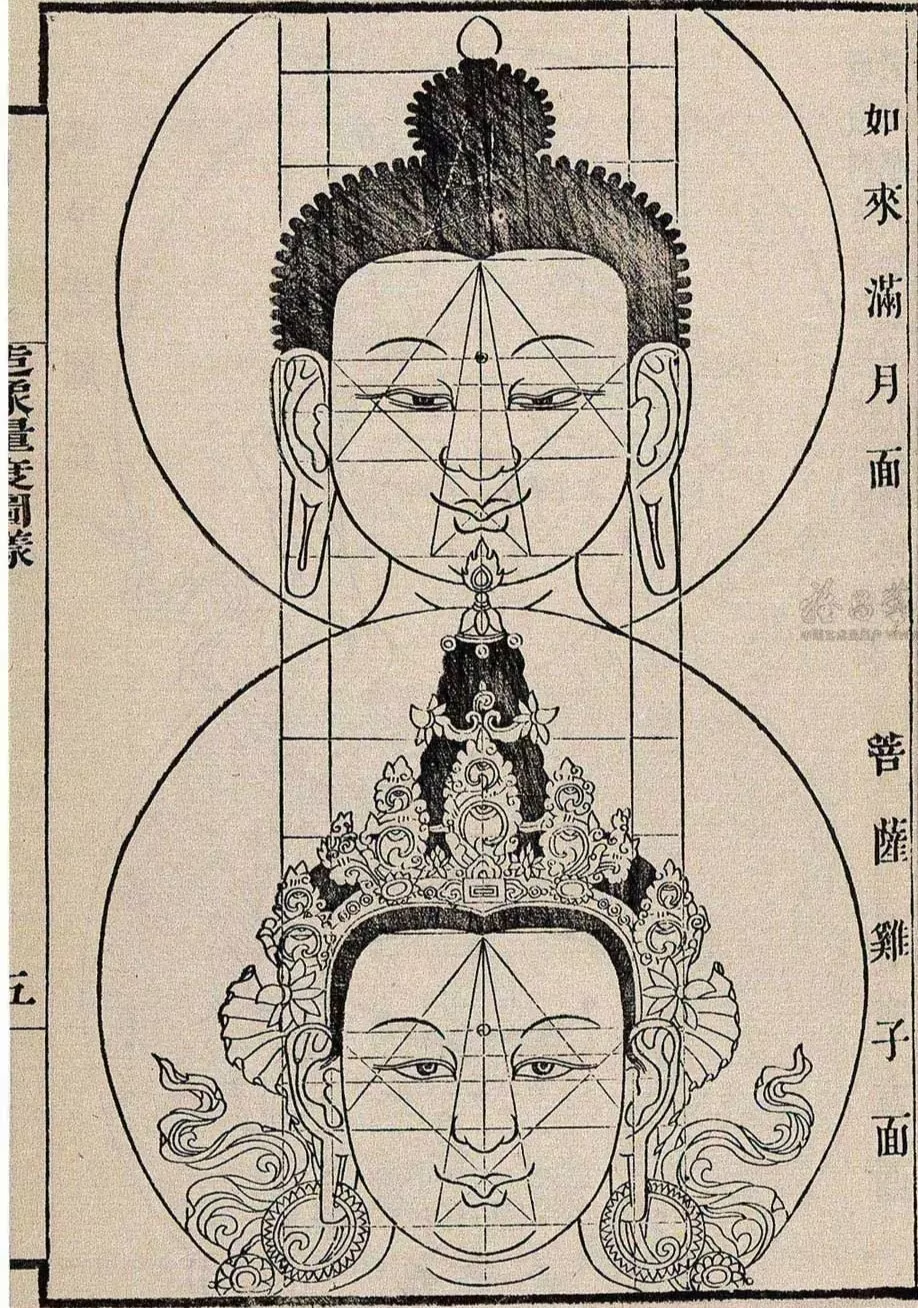
源:auctionart.netBuddhist image-proportion diagram
Source: auctionart.net
效果设计 / Visual development
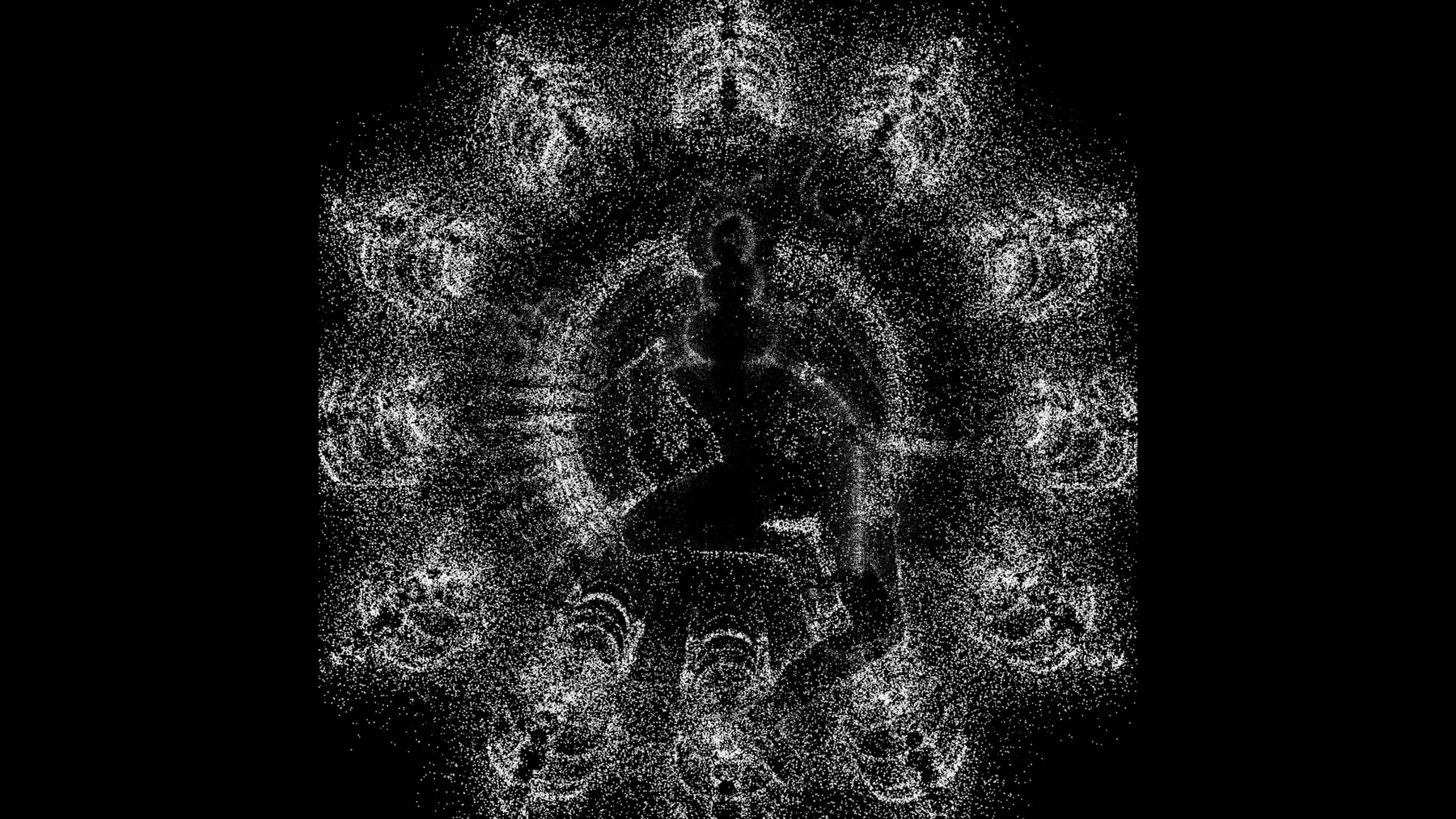
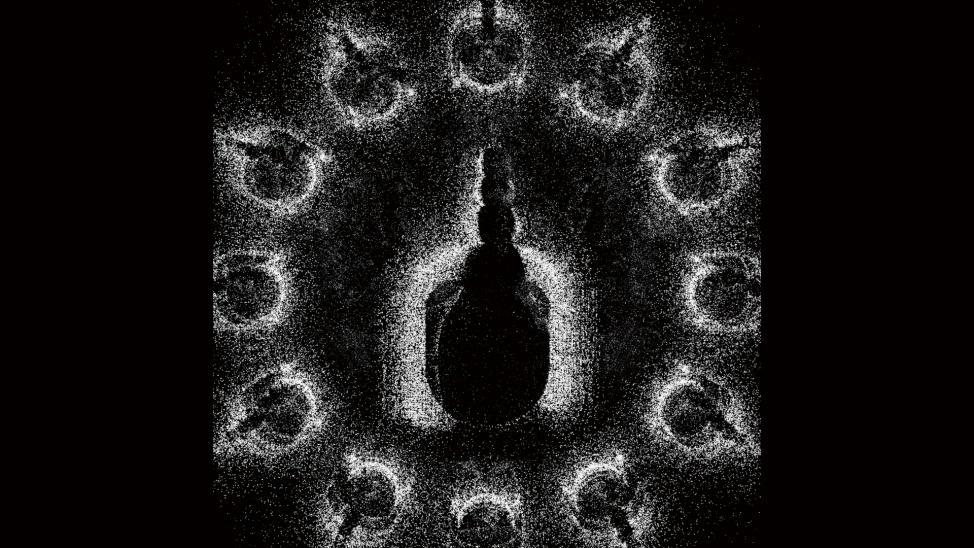
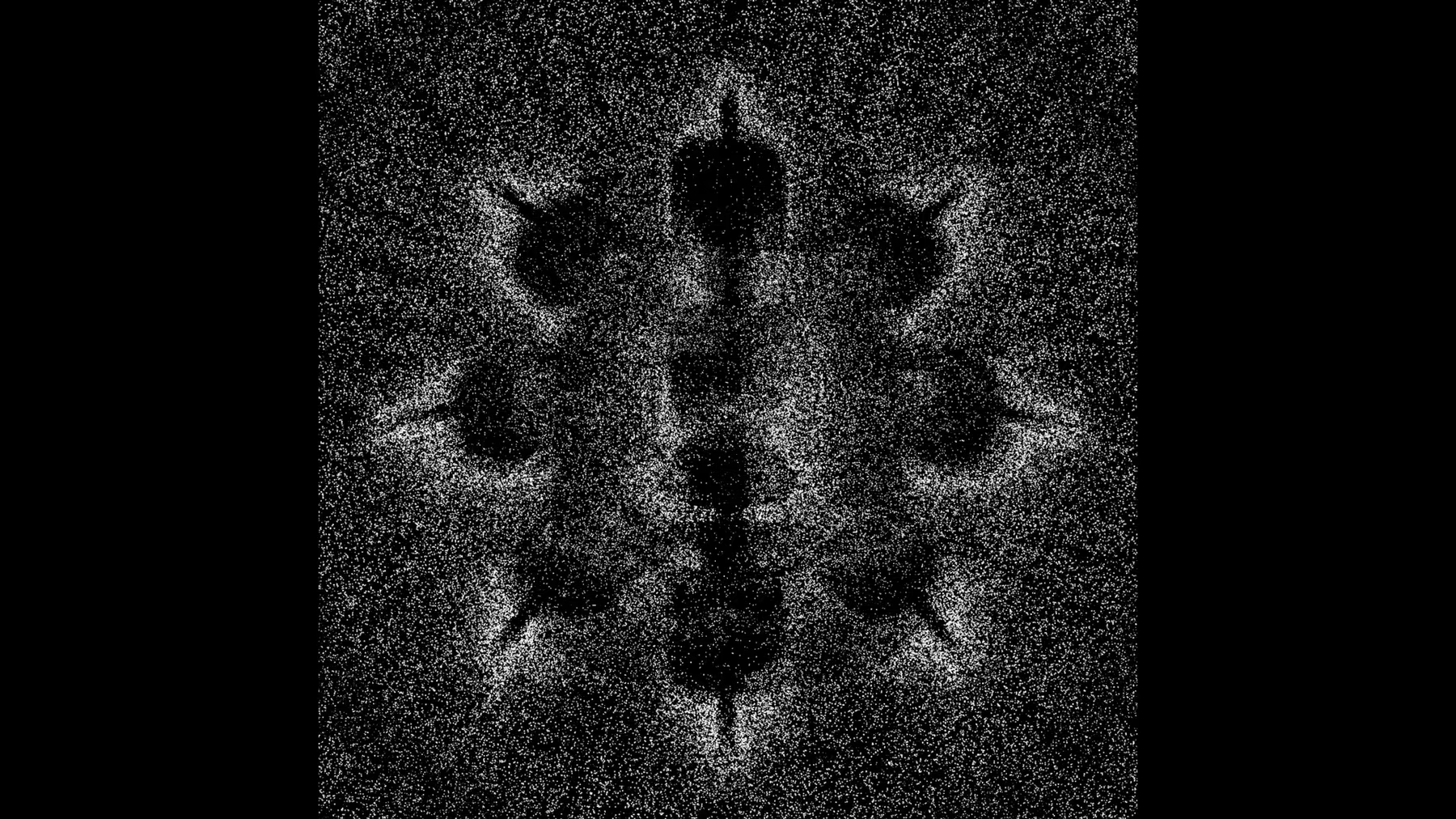
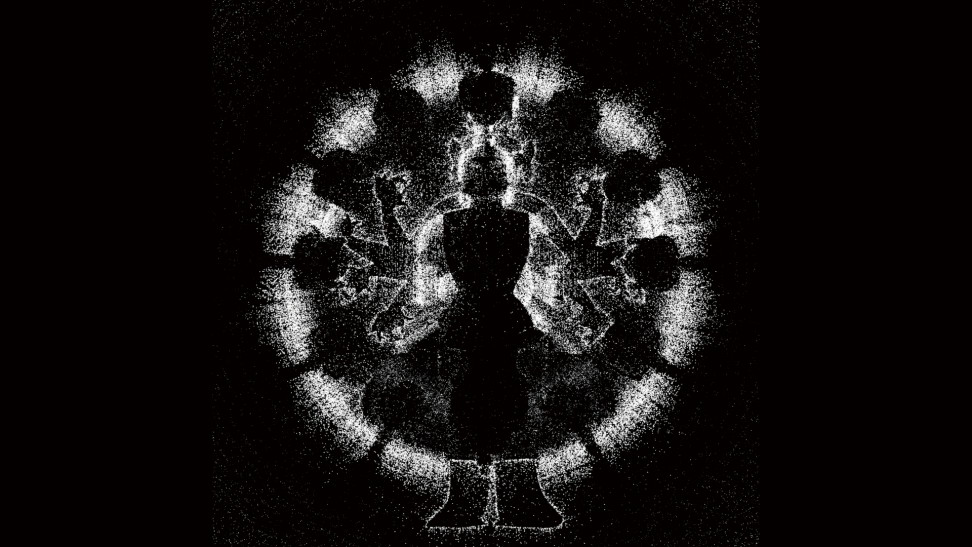
图:第四版Fourth edition
最终效果 / Final result
第四幕
ACT FOUR
凡所有相,皆是虚妄。若见诸相非相,即见如来。
——《金刚般若波罗蜜经》All appearances are illusory. If one sees that appearances are not appearances, one sees the Tathagata.
The Diamond Sutra
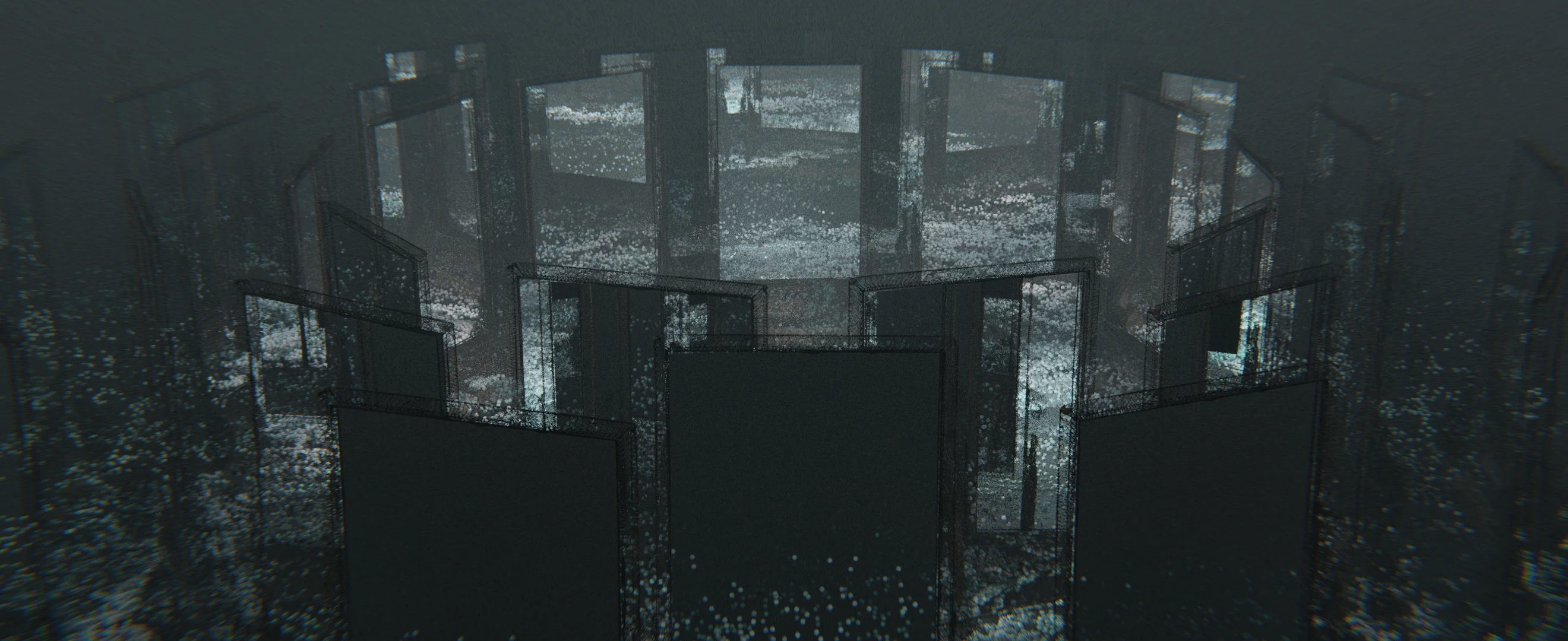
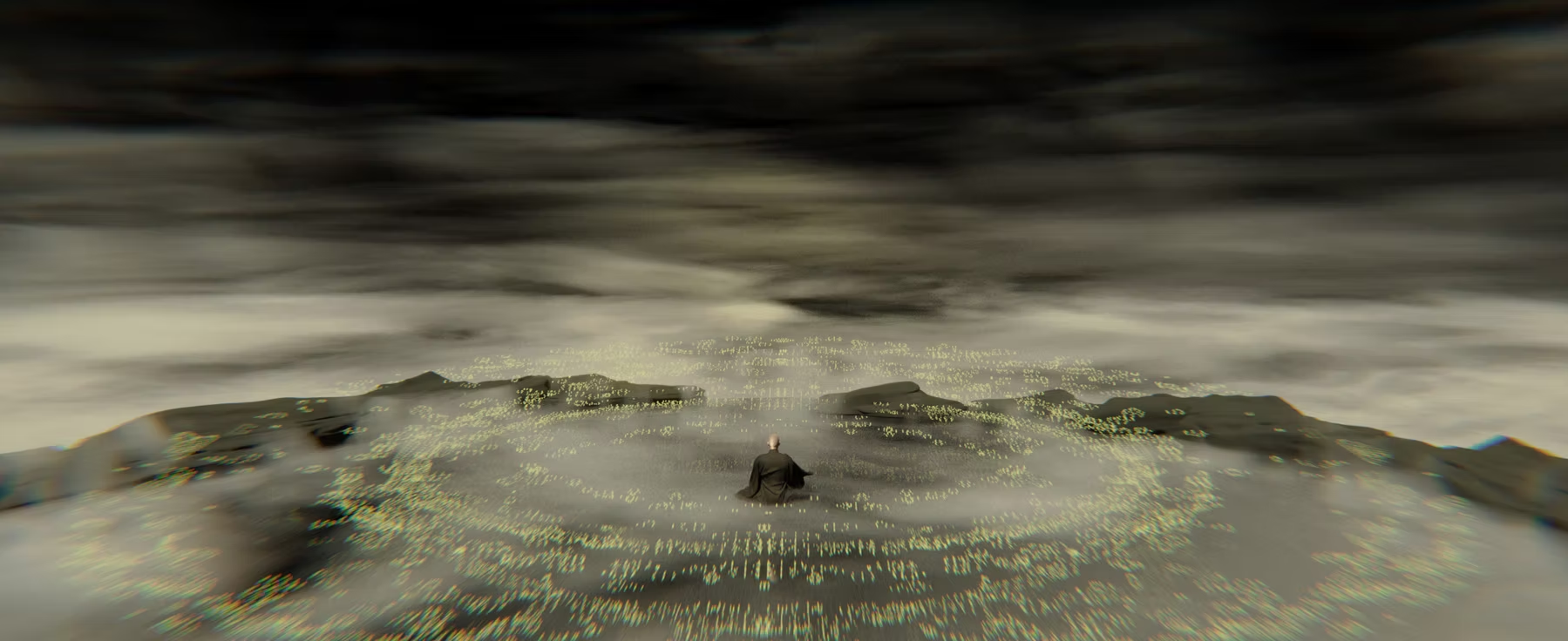
“相”,佛家指事物能被六根(眼、耳、鼻、舌、身、意)与六识(眼识、耳识、鼻识、舌识、身识及意识)所认识的特性,即世间一切皆为“相”。佛教造像是对“佛陀”形象的塑造,即是塑造“相”。信徒朝拜佛像的过程也被称为“着相”。信徒通过“着相”领悟最浅层的佛理。而当学佛理到达更高的境界,大乘佛教则倡导需要破除对“相”的虚妄执迷,即视一切为“非相”。非相就是诸法皆空,视万物皆空、万物皆不是佛,但视万物又都为佛。从“相”到“非相”的转变,即把对参拜佛像的物理剧场,转换到心理剧场,转而倡导信徒内心的证悟。“佛影”图像的第四重内涵,即是破除图像的物质存在意义,转而成为精神上的存在。
“Phase”, Buddhism refers to the characteristics of things that can be recognized by the six roots (eyes, ears, nose, tongue, body, and mind) and six consciousnesses (eye consciousness, ear consciousness, nose consciousness, tongue consciousness, body consciousness, and consciousness), that is, the world is called “phase”. For the image of the Buddha, the Buddhist principles of the shaping layer. When studying Buddhism to a higher level, Mahayana Buddha will guide you to get rid of the illusory obsession with “appearance”, that is, to regard everything as “non-appearance”. “Non-appearance” means that all tears are empty, and everything is not Buddha, but everything is in the form of “non-image”; that is, the fourth connotation of the “Buddha Shadow” image is to break the material “existence” of the image and turn it into a spiritual “existence”.
“佛影”图像第四义——“佛影”的精神存在性
The Fourth Meaning of “Buddha Shadow” Image——The Spiritual Existence of “Buddha Shadow”
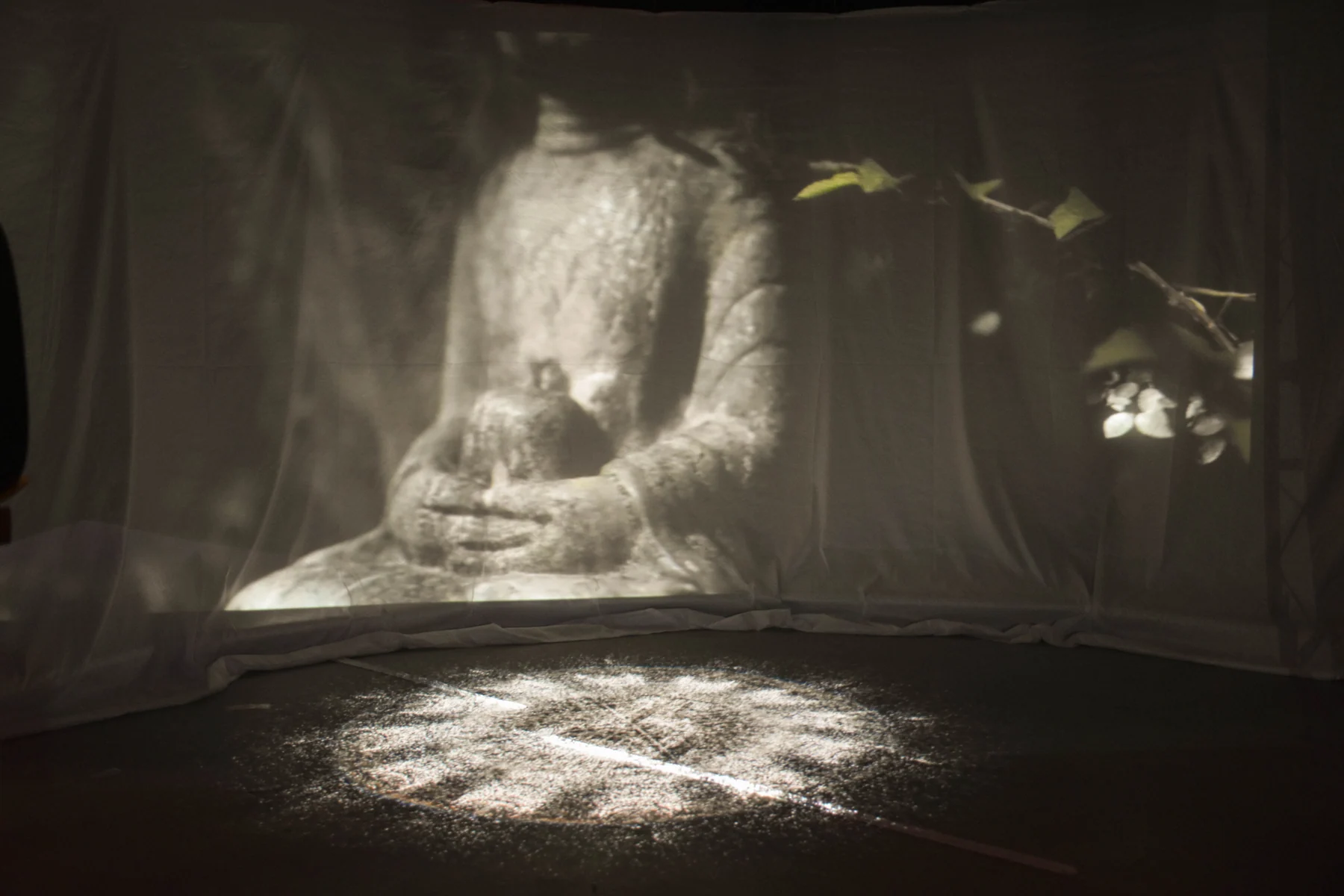
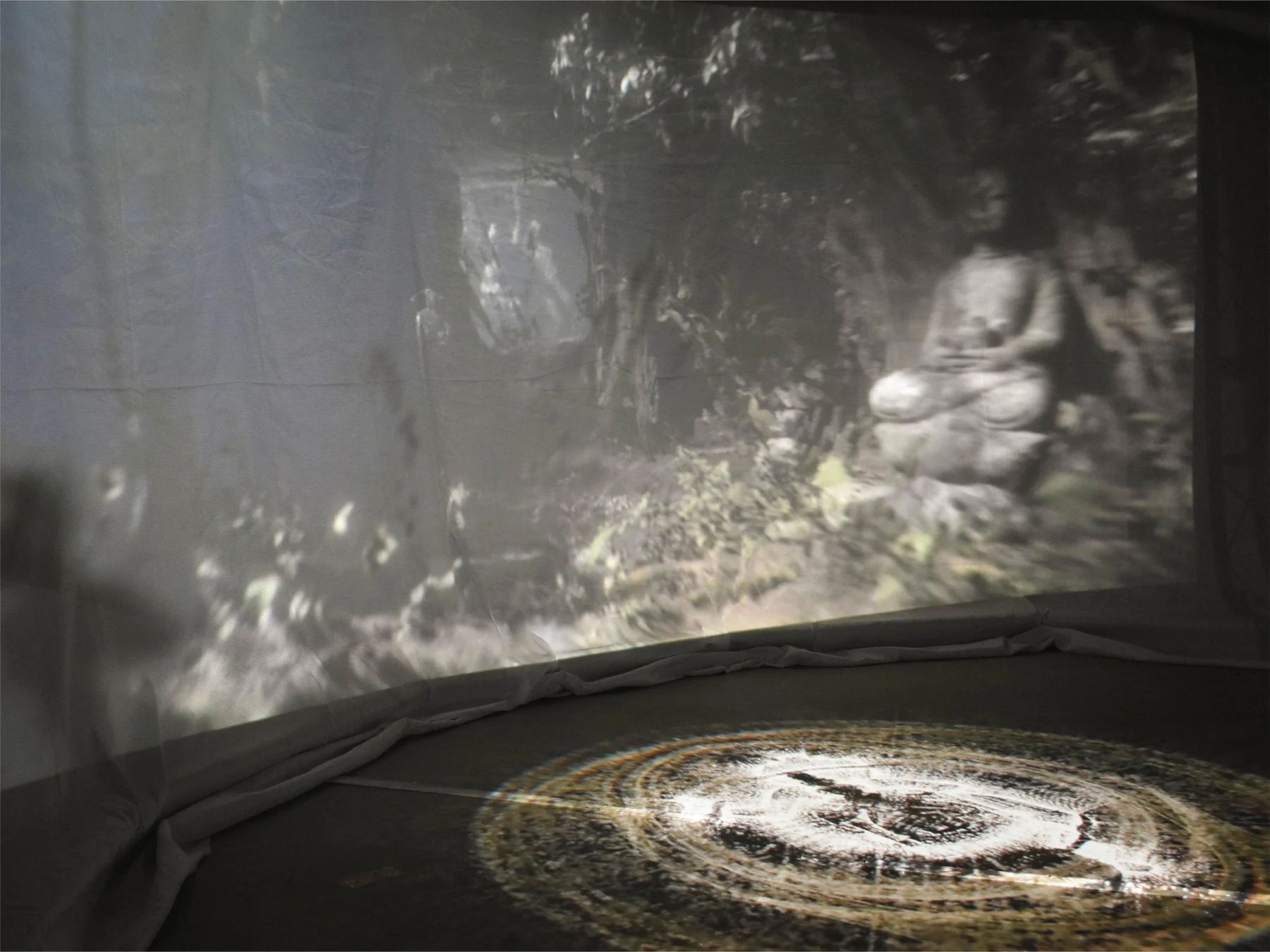
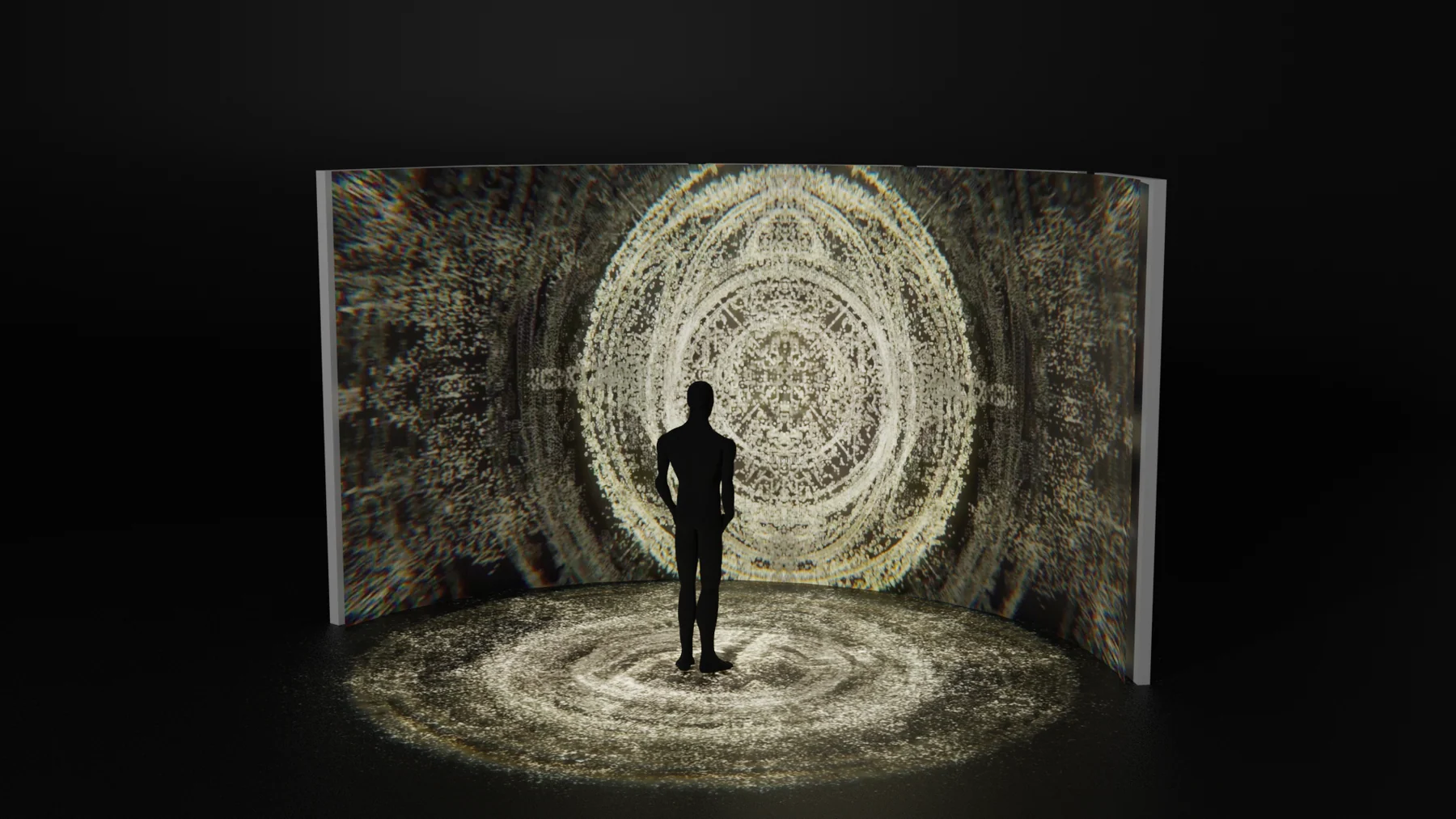
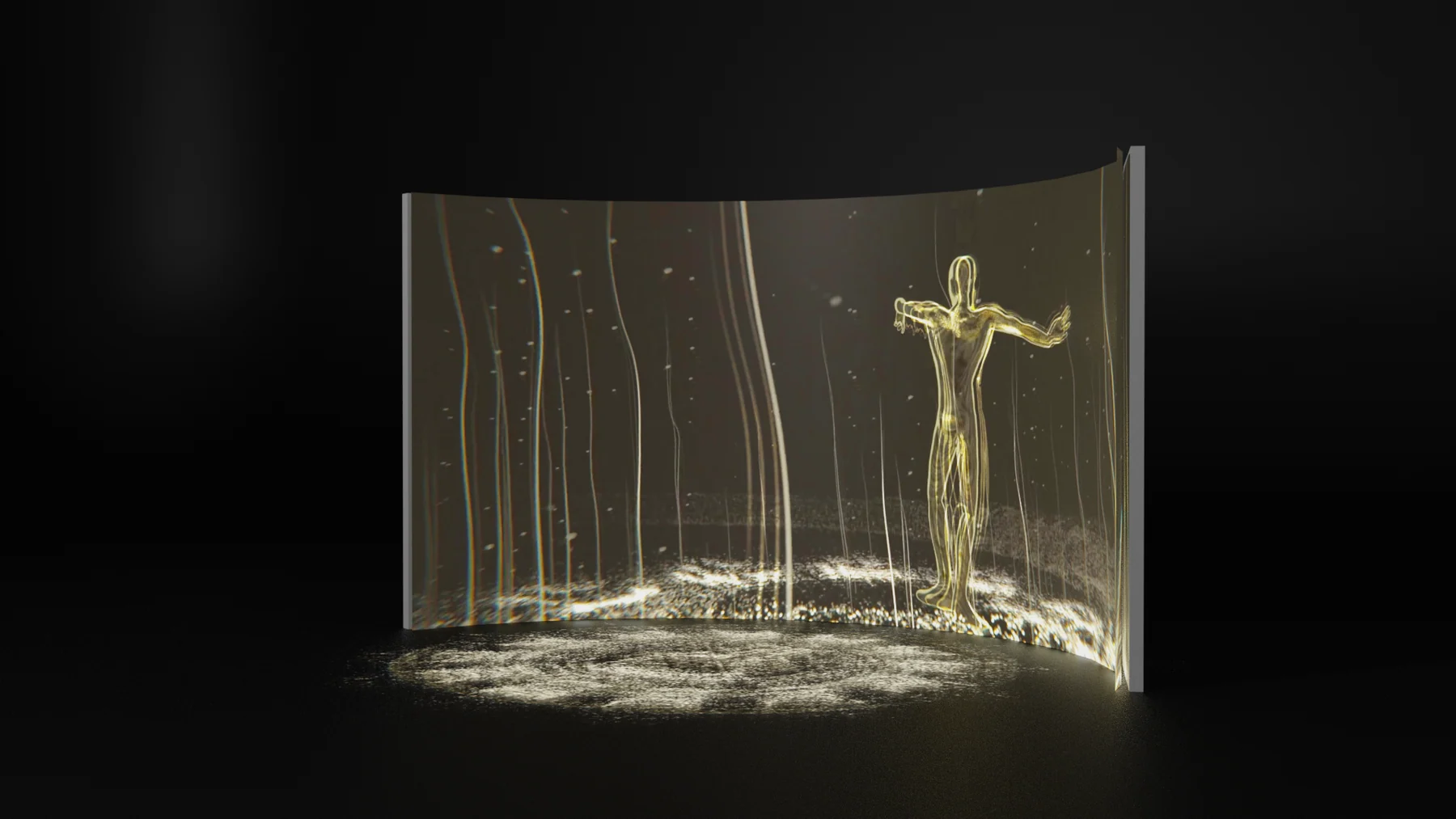
现场展陈Exhibition documentation
The team
- Tutors
- Yu Tongzhou, Bing Yin
- Creators
- Yiyi Qian, Yu Ziheng, Li Liang
- Music Producer
- Anti-General
- Shakuhachi
- Yangbo Wen