Cinematic VR · 2025
Deepcore: When Cave Breath
01 / Project Overview
Project overview
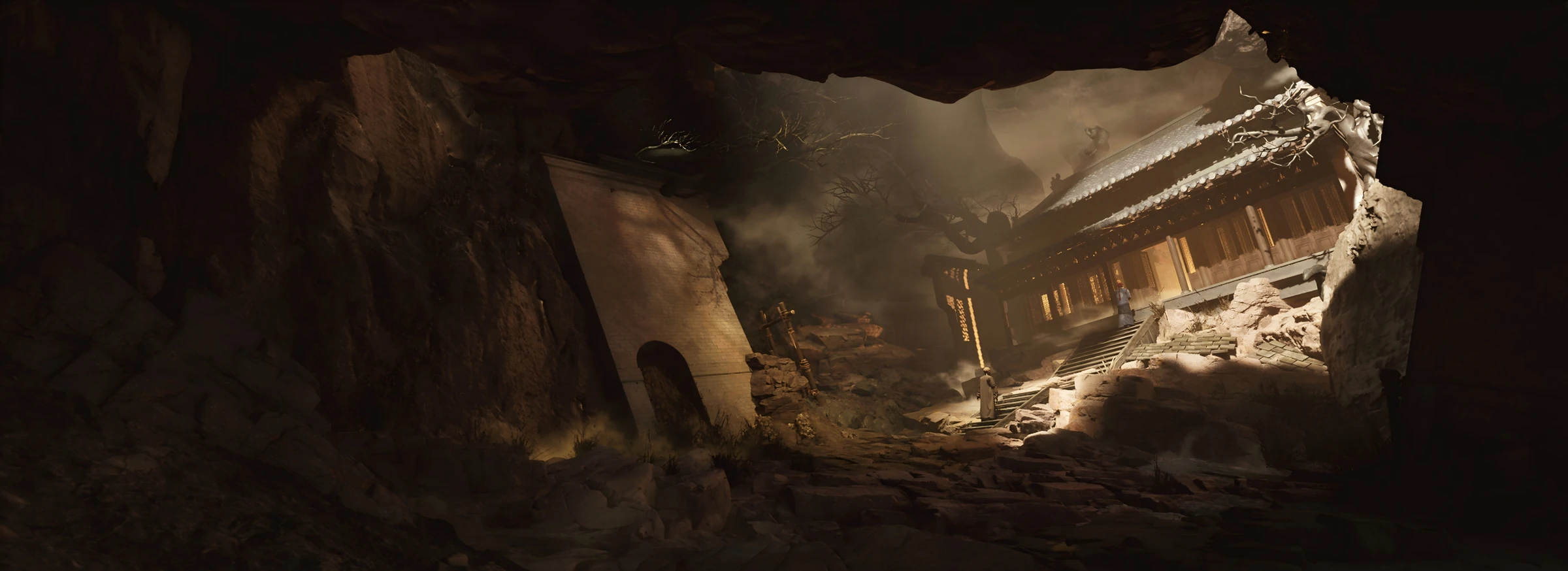
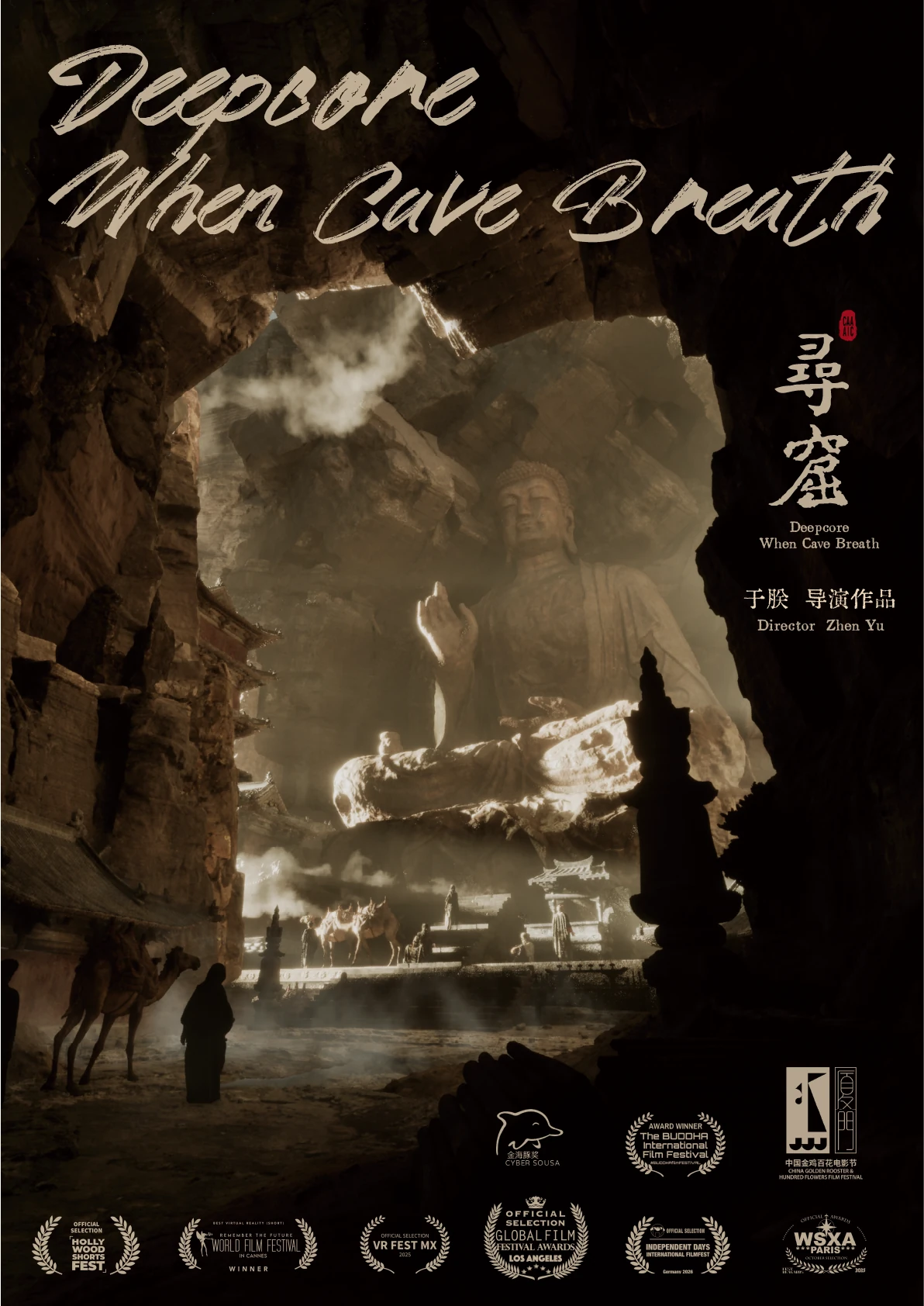
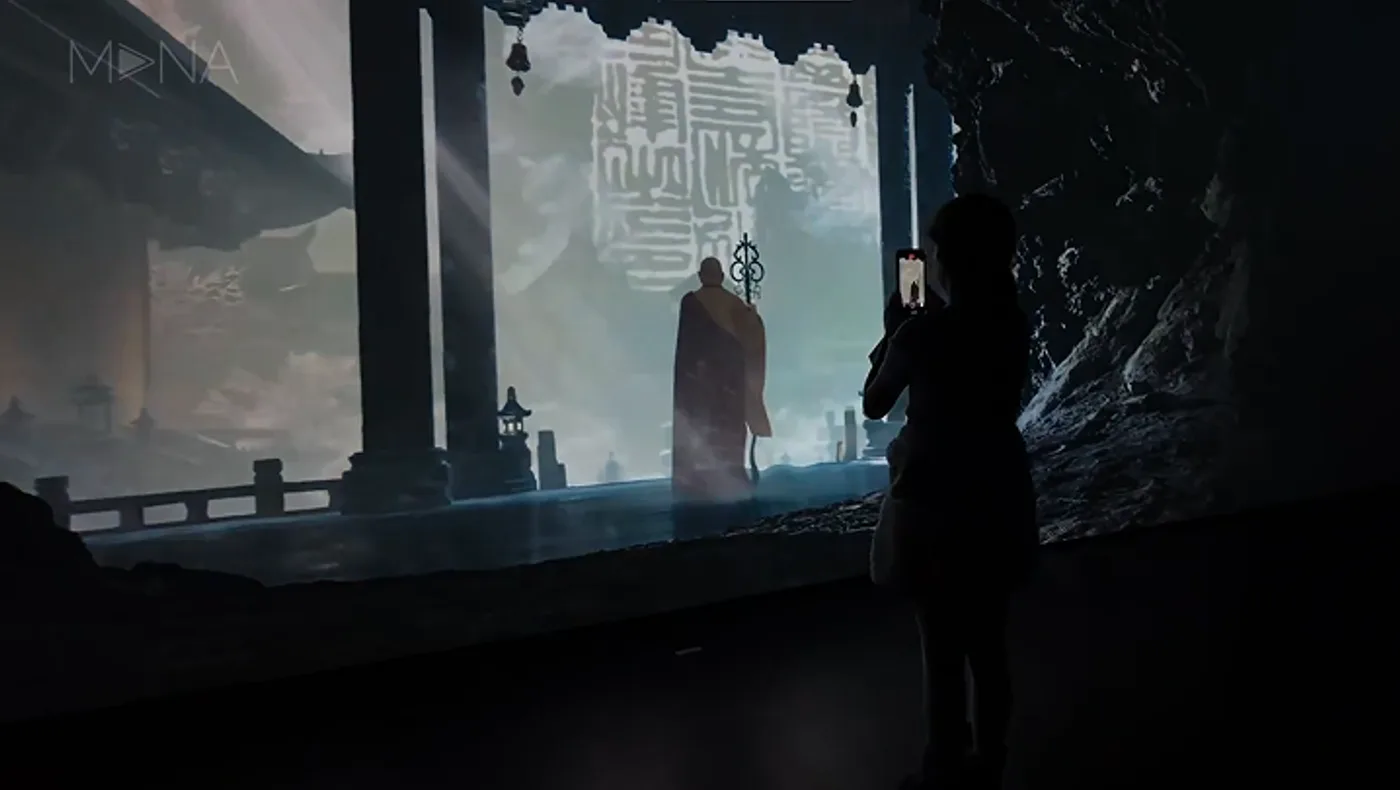
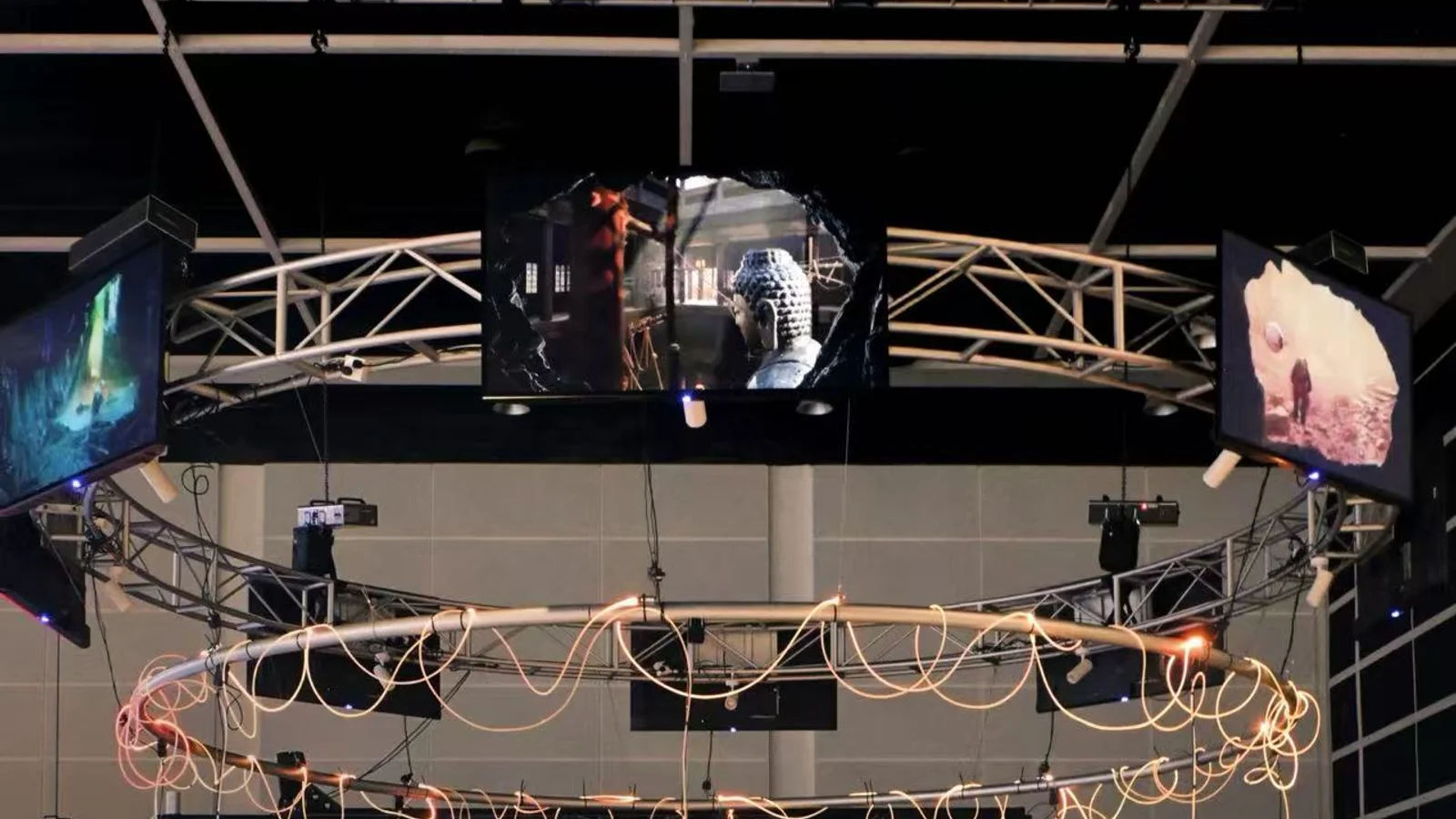
Deepcore: When Cave Breath is a 360° immersive VR film project centered on Chinese cave-temple sculpture, historical rupture, and cultural memory. Using constructed spatial continuity as its guiding method, the film connects the destruction of Northern Zhou sculptures, the construction of the Longmen Grottoes during the High Tang period, and the discovery and dispersal of the Mogao Library Cave in the late Qing dynasty through a continuous descending camera movement. Rather than reconstructing a complete and static historical scene, the work layers remains, documents, and artistic speculation into a field of memory, allowing viewers to sense how cave imagery acquires new meanings through labor, power, destruction, preservation, and migration.
When historical sites have been damaged, dispersed, reconstructed, or lost, how can we understand the past today? As David Lowenthal writes in heritage studies, the past is a foreign country: it is not a site to which modern viewers can simply return. Ruins, sculptures, documents, and images are different kinds of historical evidence, each shaped by destruction, movement, collecting, interpretation, and re-display. We can approach the past through these remains, records, and memories, but we cannot fully recover an unmediated original past.
Story structure
Chapter synopsis章节梗概
01
《栖霞山火》Wildfire of Qixia Mountain
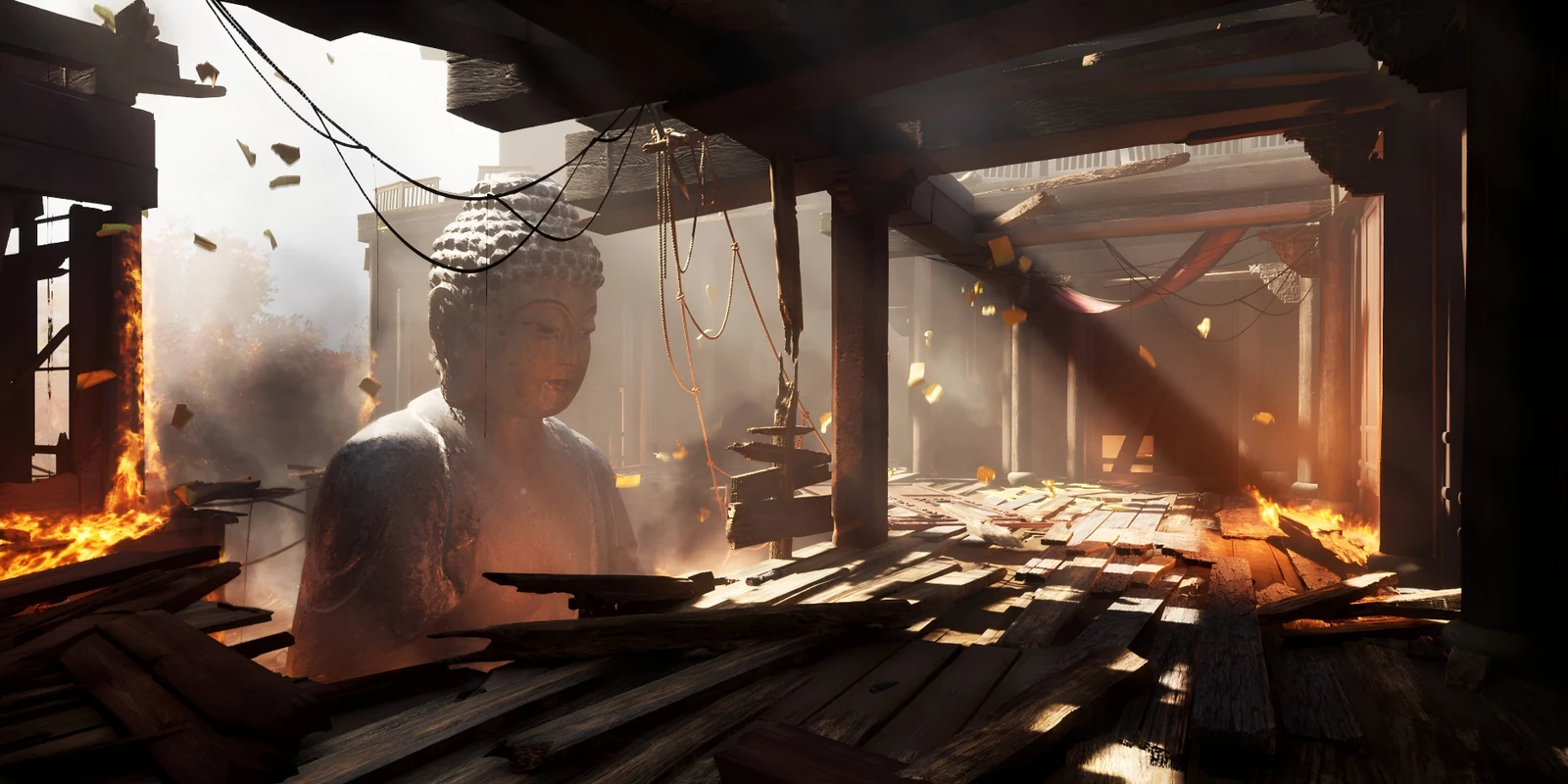
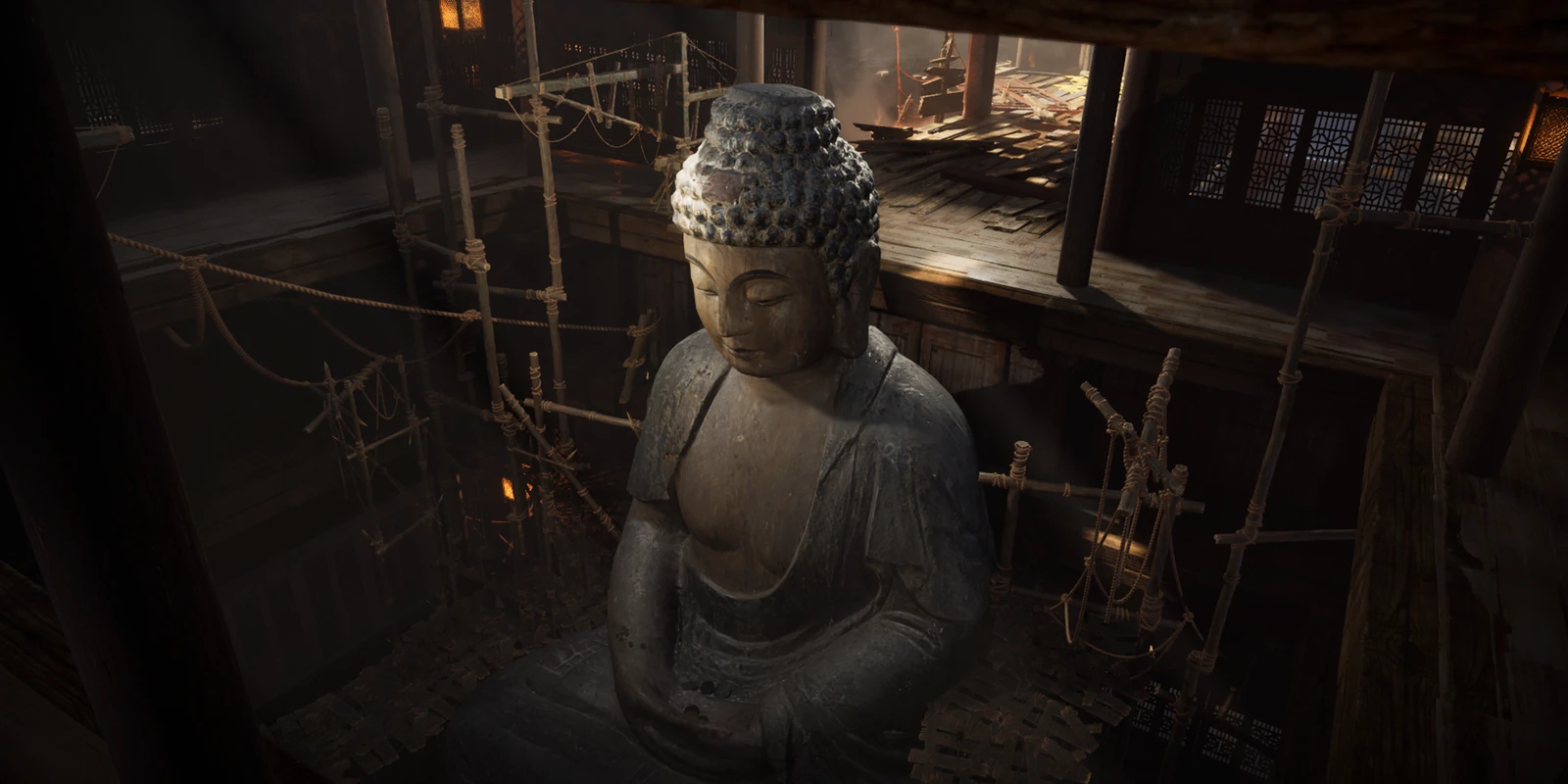
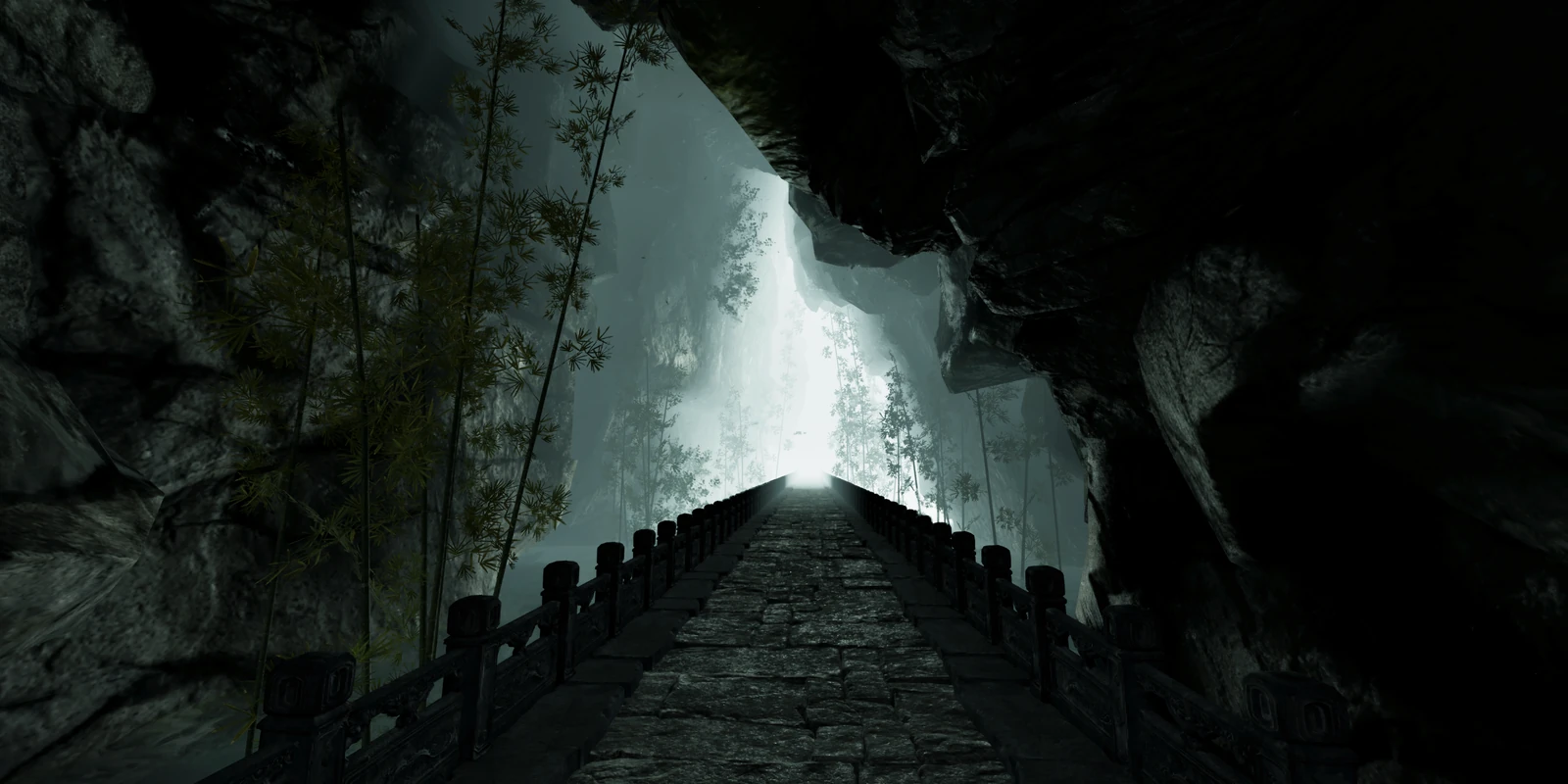
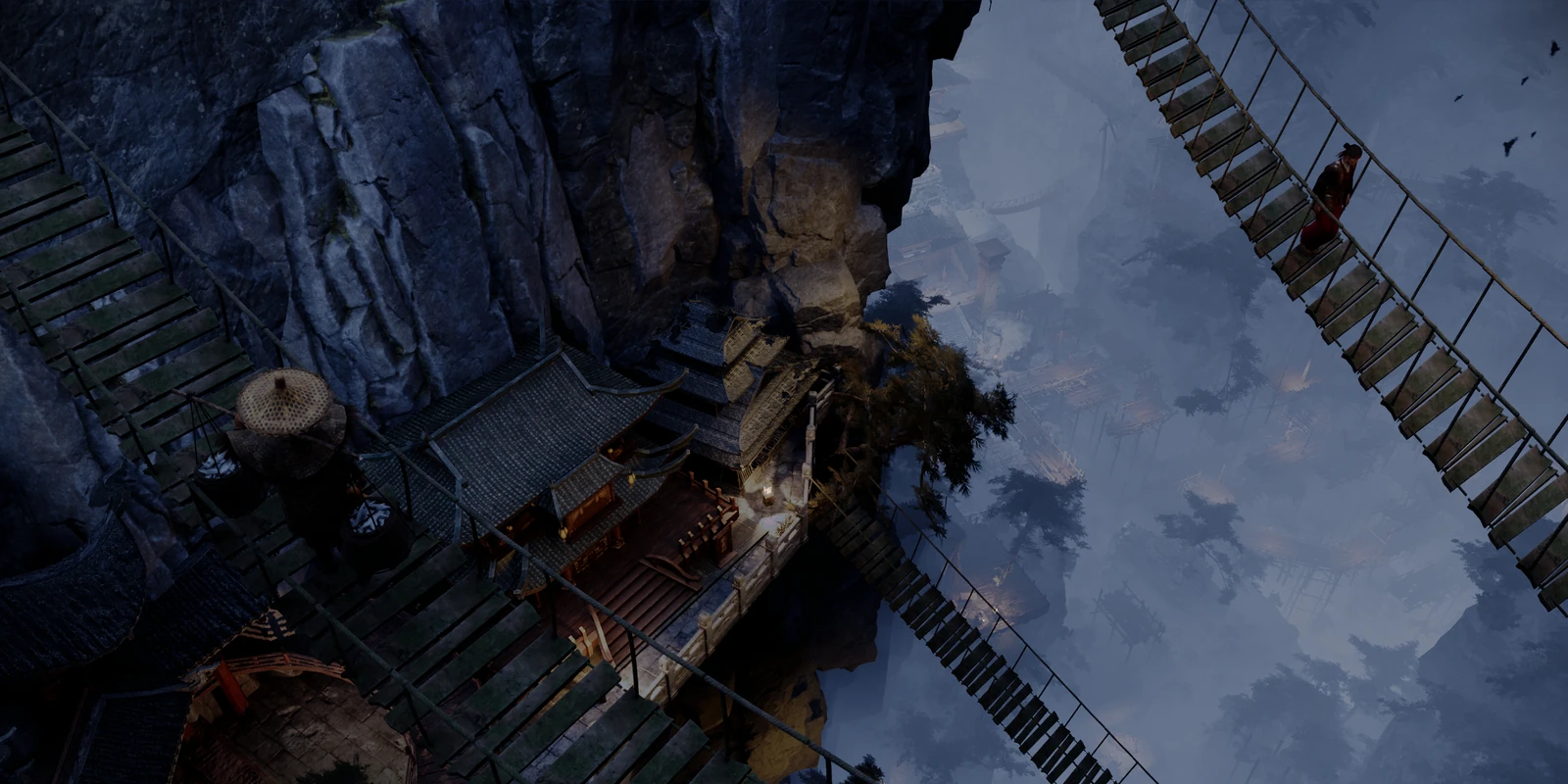
The Book of Northern History (Beishi), Chapter of the Zhou Imperial Clan, records that in the third year of Jiande (574 CE), Emperor Wu of Northern Zhou 'initially proscribed both Buddhism and Daoism, destroyed all scriptures and images, dismissed monks and Daoist priests, and ordered them to return to lay life.' The Qixia Mountain scene is an artistic spatial reconstruction set against this historical backdrop of iconoclasm.
北周时期,时局骤变。昔日鼎盛之所,一朝化为瓦砾寒烟。
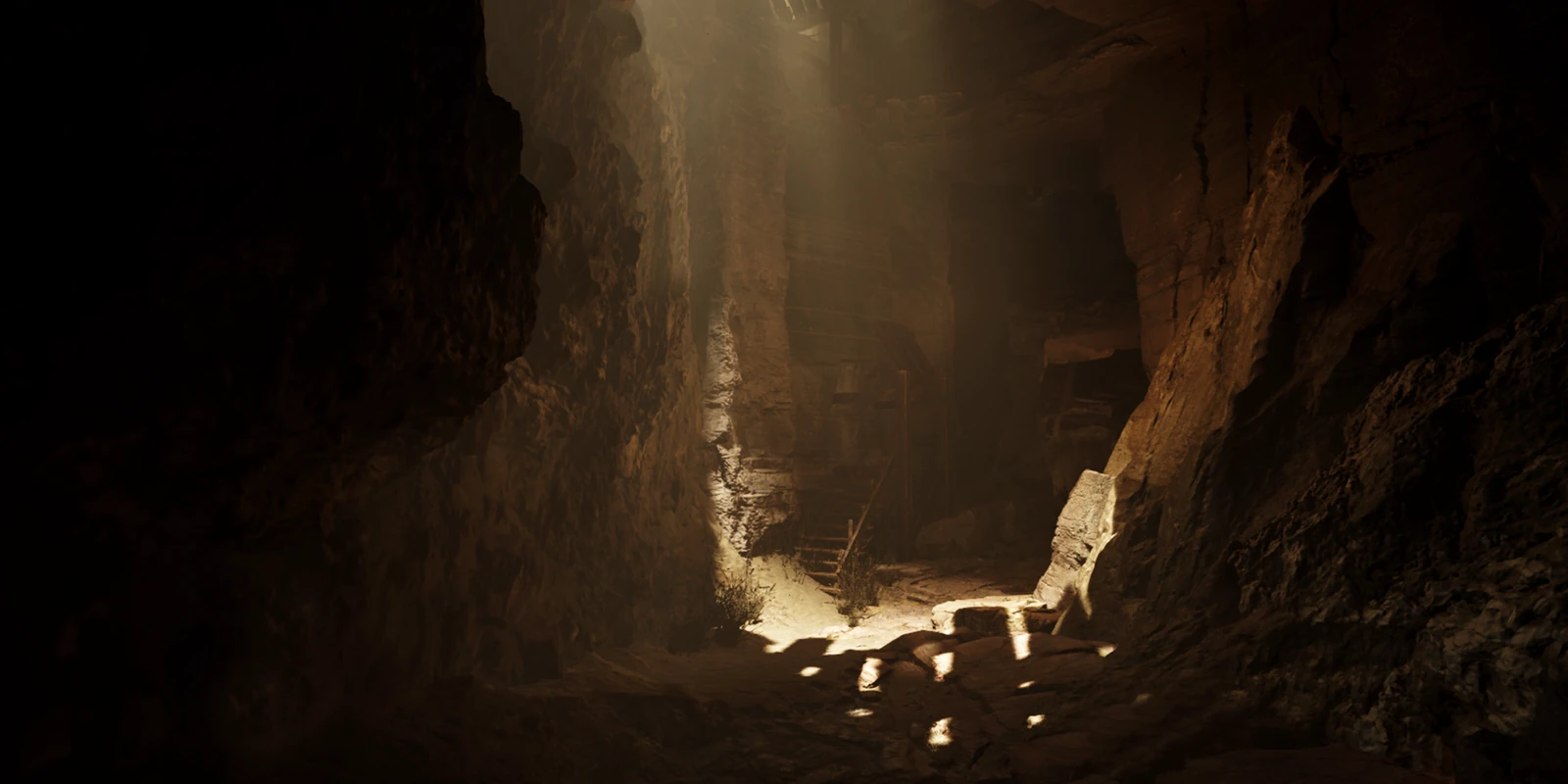
在这场浩劫中,一位寄居寺院、为生计造像的无名匠人,机缘中被卷入……他本就平头百姓,唯手艺为生,终日敲凿供奉之像。然而,当寺院被毁,方丈于火光中托他:"若世道暂失容身之处,便将它藏于石中。"这份临终遗命,如重锤敲入他的内心。他遁入栖霞山密林深处,于一处人迹罕至的山腹中开凿洞窟,昼夜不息,以血汗凿下窟内奇观……
章节导演:钱伊依
During the Northern Zhou dynasty, political circumstances shifted abruptly. A place once at the height of prosperity was reduced overnight to rubble and cold smoke.
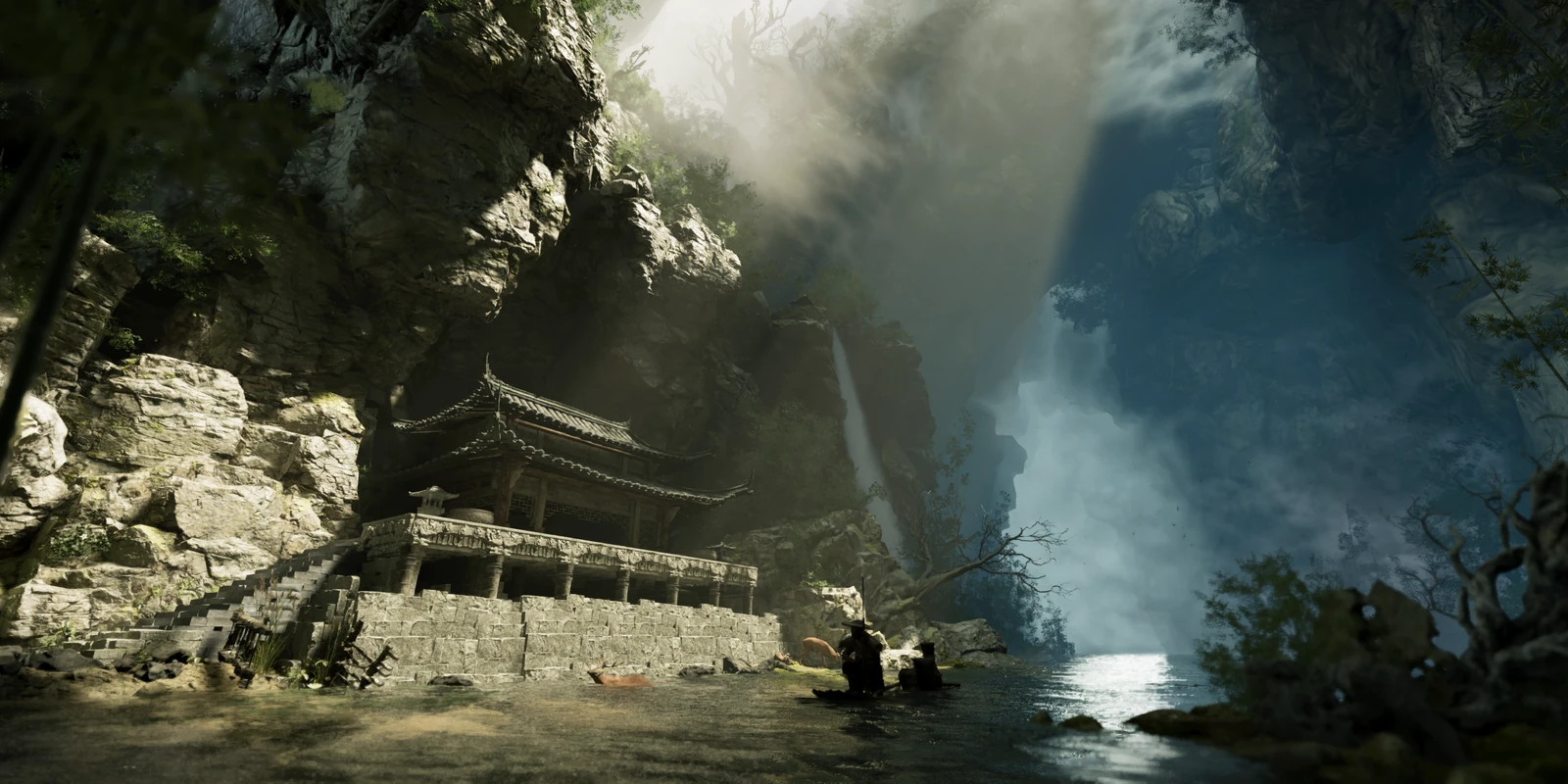
Amid the catastrophe, an unnamed artisan who lived at the monastery and carved devotional images for a living was drawn into the turmoil by chance… An ordinary commoner with only his craft to sustain him, he spent his days chiseling images for worship. When the monastery was destroyed, the abbot entrusted him amid the flames with a final request: "If the world can no longer offer it shelter, hide it within stone." The dying charge struck his heart like a hammer. He withdrew deep into the forests of Qixia Mountain and opened a grotto in a remote mountainside. Working without rest, day and night, he carved the wonders within the cave with his own blood and sweat…
Chapter Director: Yiyi Qian
02
《莫高窟尘劫》Calamity of Mogao Grottoes
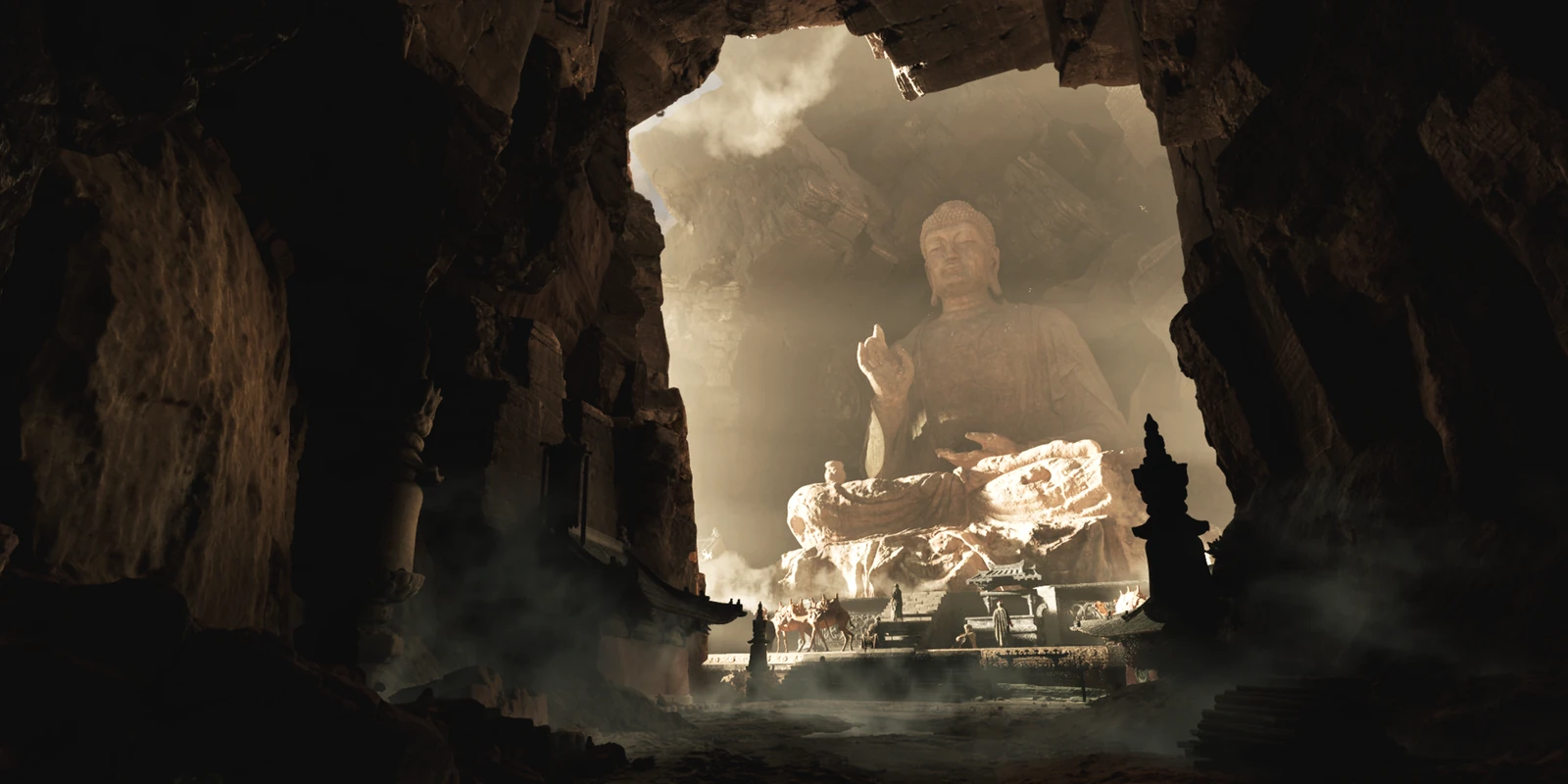
Wang Yuanlu discovered Cave 17 of the Mogao Grottoes in 1900 while clearing sand from the passageway of Cave 16, revealing approximately fifty thousand documents and artifacts dating from the fourth to the eleventh century. After 1907, manuscripts and objects from the library cave were gradually acquired by Aurel Stein, Paul Pelliot, and others, dispersing within roughly a decade to public and private collections in Britain, France, Japan, Russia, and beyond.
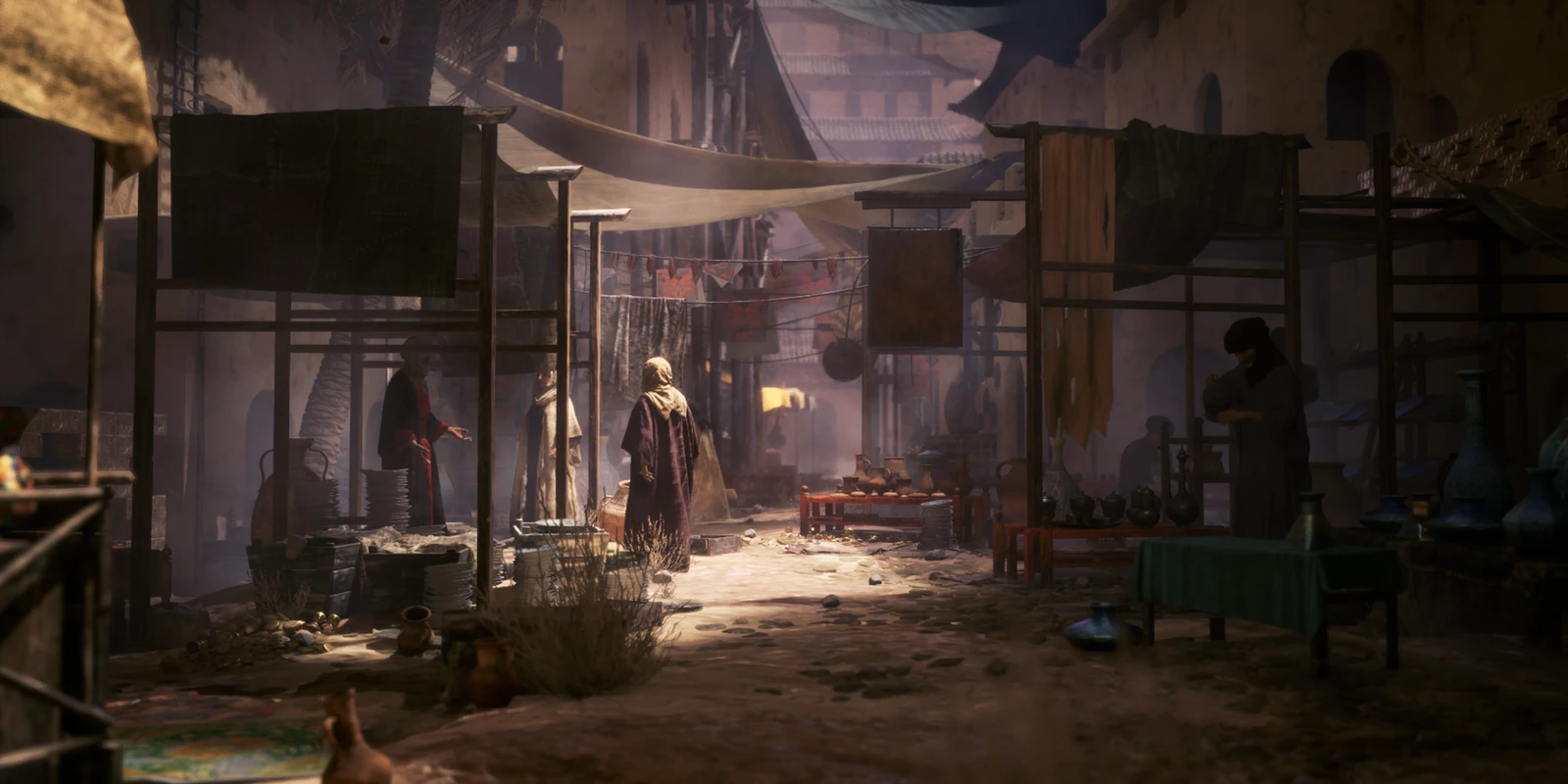
大漠千窟,壁坼龛残。王圆箓,于光绪二十六年偶入一隅,拨开千年沙尘,揭开敦煌莫高窟最隐秘的一页。那是被泥封的第十七窟,洞内经书堆积如山,字画墨香犹存。身处尘世末劫,王圆箓以一己之力抵抗洞窟的坍塌——他选择变卖经卷,换回砖瓦木料,勉力修缮。于历史,这或为功;于文化,却成劫。
英国人斯坦因、日本人橘瑞超,先后至此,以寥寥银两换走无数文宝。传教士、考古学者、收藏家争先恐后来临,而王圆箓身处其间——既是看守人,又是开门者。他终身隐居窟内,未再远行。
Across the desert stood a thousand grottoes, their walls cracked and niches ruined. In the twenty-sixth year of the Guangxu reign, Wang Yuanlu entered a hidden corner by chance. Brushing away a millennium of dust, he opened the most secret page in the history of the Mogao Grottoes: Cave 17, sealed with mud, where scriptures were piled high and the scent of ink still lingered among writings and paintings. Living at the end of an age, Wang resisted the collapse of the caves alone. He chose to sell manuscripts in exchange for bricks, tiles, and timber, struggling to fund repairs. In history, this may be counted as merit; for culture, it became a calamity.
The British explorer Aurel Stein and the Japanese explorer Tachibana Zuicho arrived in succession, exchanging small sums of silver for countless cultural treasures. Missionaries, archaeologists, and collectors followed one after another, while Wang stood among them—both guardian and gatekeeper. He remained secluded within the grottoes for the rest of his life and never again traveled far.
03
《龙门瞾相》The Appearance of Sentient Beings
A stone inscription at the Fengxian Temple records that in the third year of Xianheng (672 CE), Empress Wu 'donated twenty thousand strings of rouge and powder money' toward the construction of the Vairocana Buddha. The artistic narrative of this chapter draws on this documented patronage and on the longstanding, though still debated, association between the Vairocana image and Empress Wu Zetian.
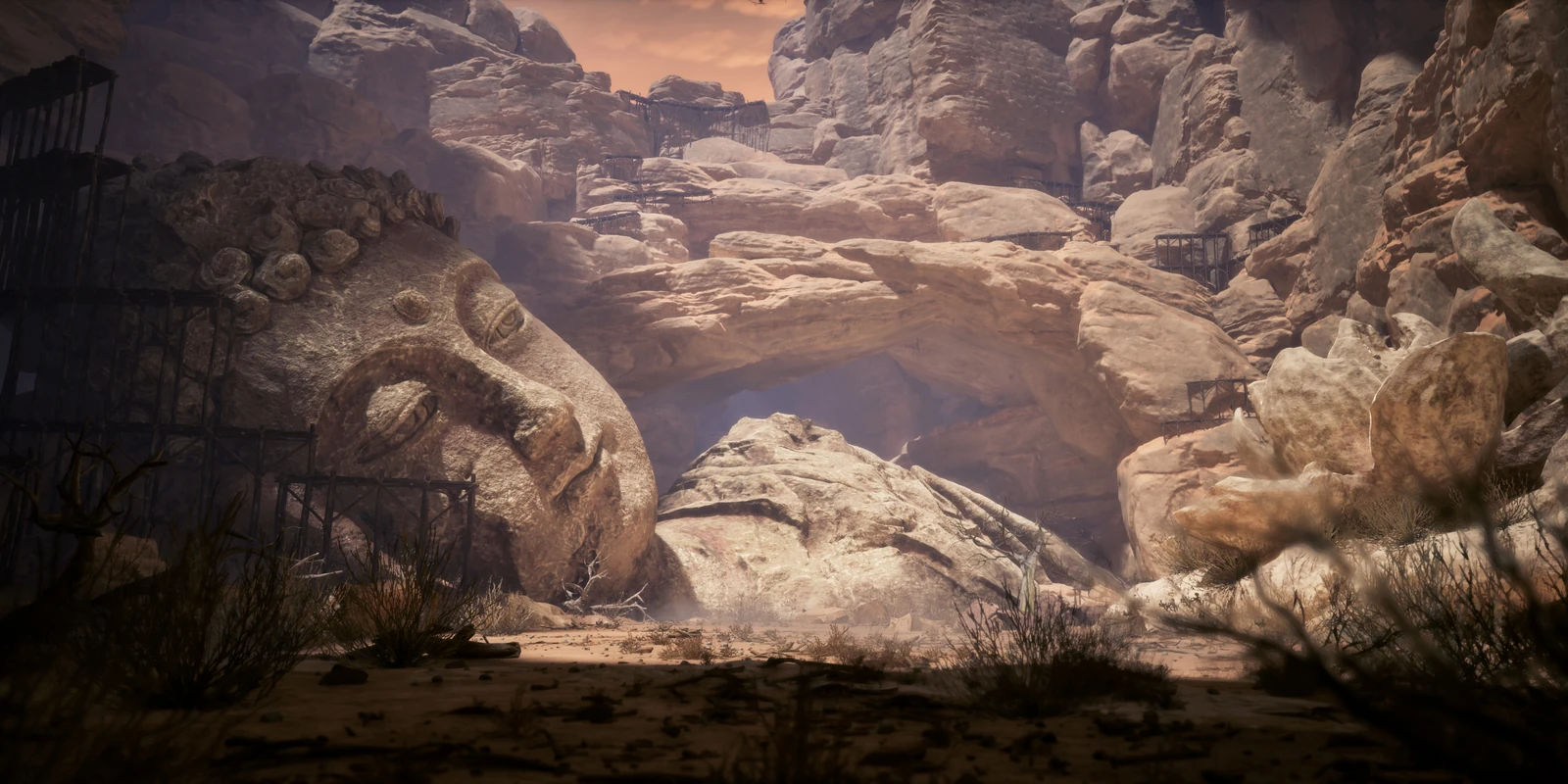
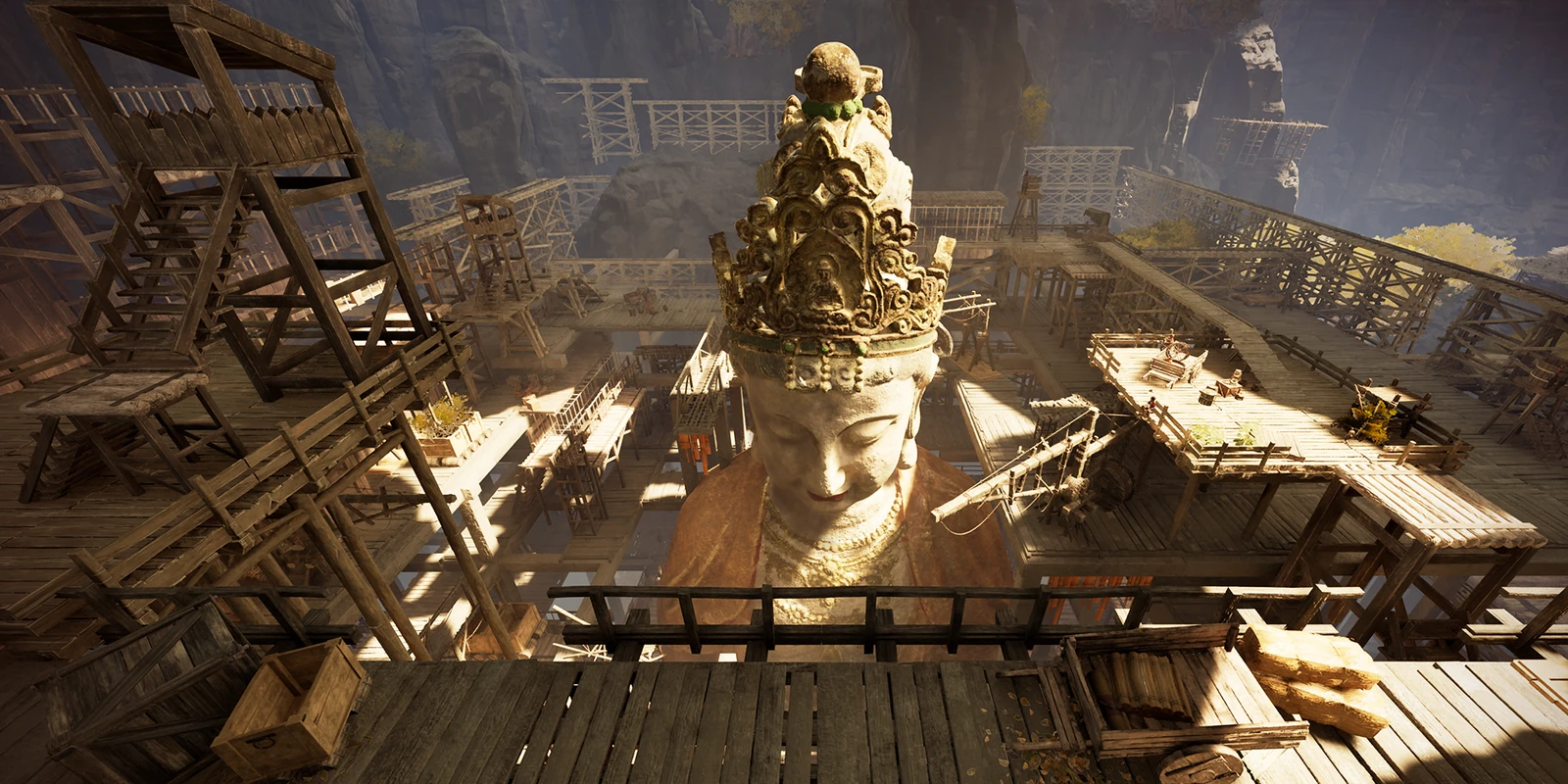
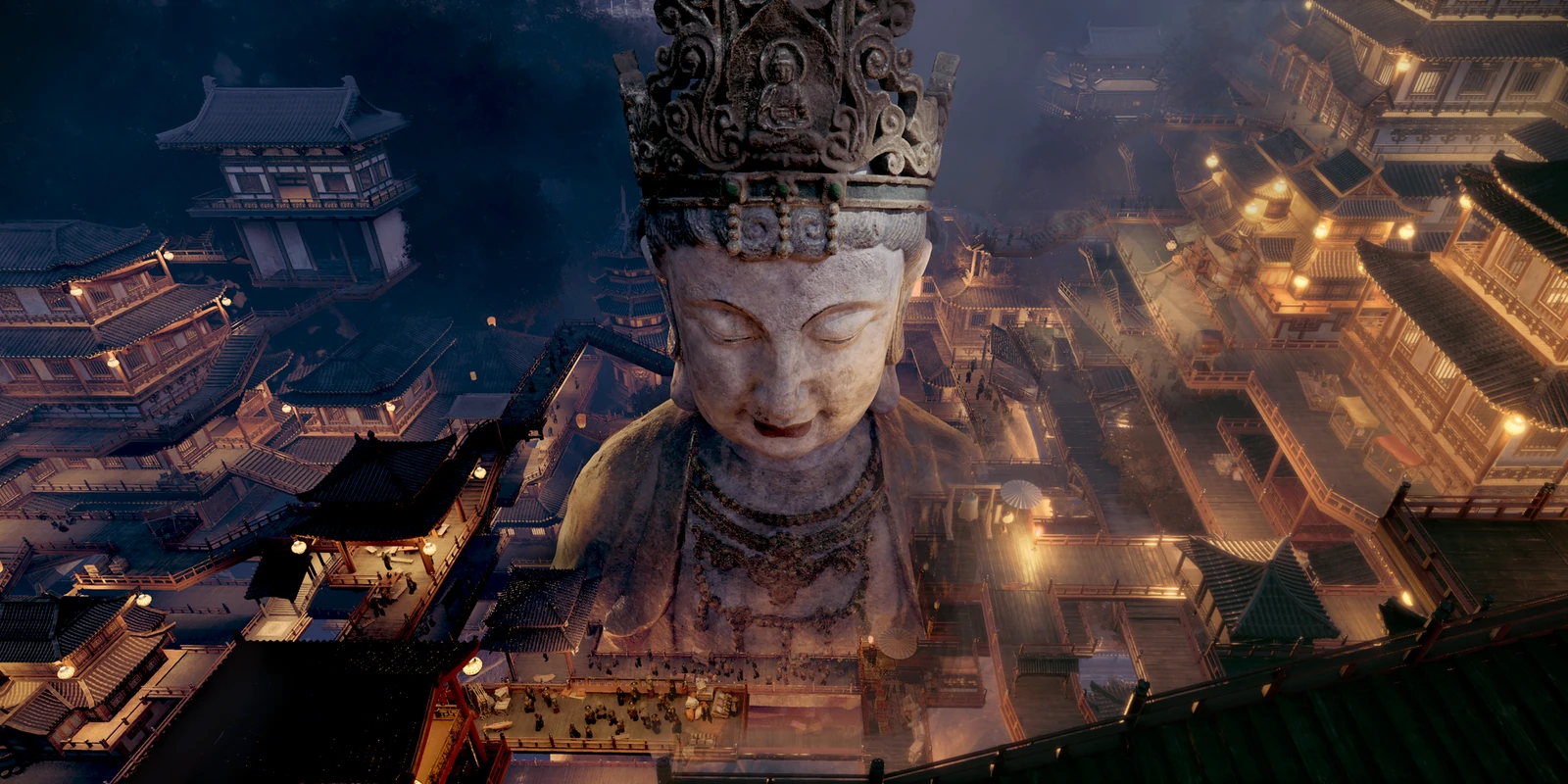
盛唐中叶,洛水之畔,龙门山上石声隆隆。奉先寺下,工棚林立,朝廷命匠数千,昼夜不息。当权者初登大宝,天授元年(公元690年),令:"佛即天子,天子即佛。"一位女匠,执凿于寒岩之下,奉命造像。一尊拟皇之佛,是以佛貌加冕天命的象征。然在她眼中,佛非独像一人。她于眉眼之间微调比例,巧引凡人之姿;于衣纹垂褶中暗藏庶民之态。那不动的石佛,似睨众生悲喜,亦似洞悉一代帝王的孤意。十余年后,造像落成。游人膜拜,香火鼎盛。千秋往事埋于断岩风雨之中,无人再去探究。
In the mid-Tang period, stonework thundered across Longmen Mountain beside the Luo River. Below Fengxian Temple, work sheds crowded the site as thousands of artisans labored day and night by imperial command. When the ruler had newly ascended the throne, a decree was issued in the first year of Tianshou (690 CE): "The Buddha is the Son of Heaven; the Son of Heaven is Buddha." A woman artisan worked with her chisel beneath the cold cliff, charged with carving an image. A Buddha modeled on the sovereign became a symbol of crowning heavenly mandate through Buddhist form. Yet in her eyes, the Buddha did not resemble one person alone. She subtly adjusted the proportions of the brows and eyes to introduce the features of ordinary people, and concealed the bearing of common folk within the falling folds of the robes. The unmoving stone Buddha seemed to gaze upon the joys and sorrows of all beings, while also seeing through the solitude of an emperor. More than a decade later, the image was completed. Visitors worshipped and incense flourished. The affairs of ages were buried among fractured cliffs, wind, and rain, and no one sought to investigate them further.
Technical approach
Production pipeline
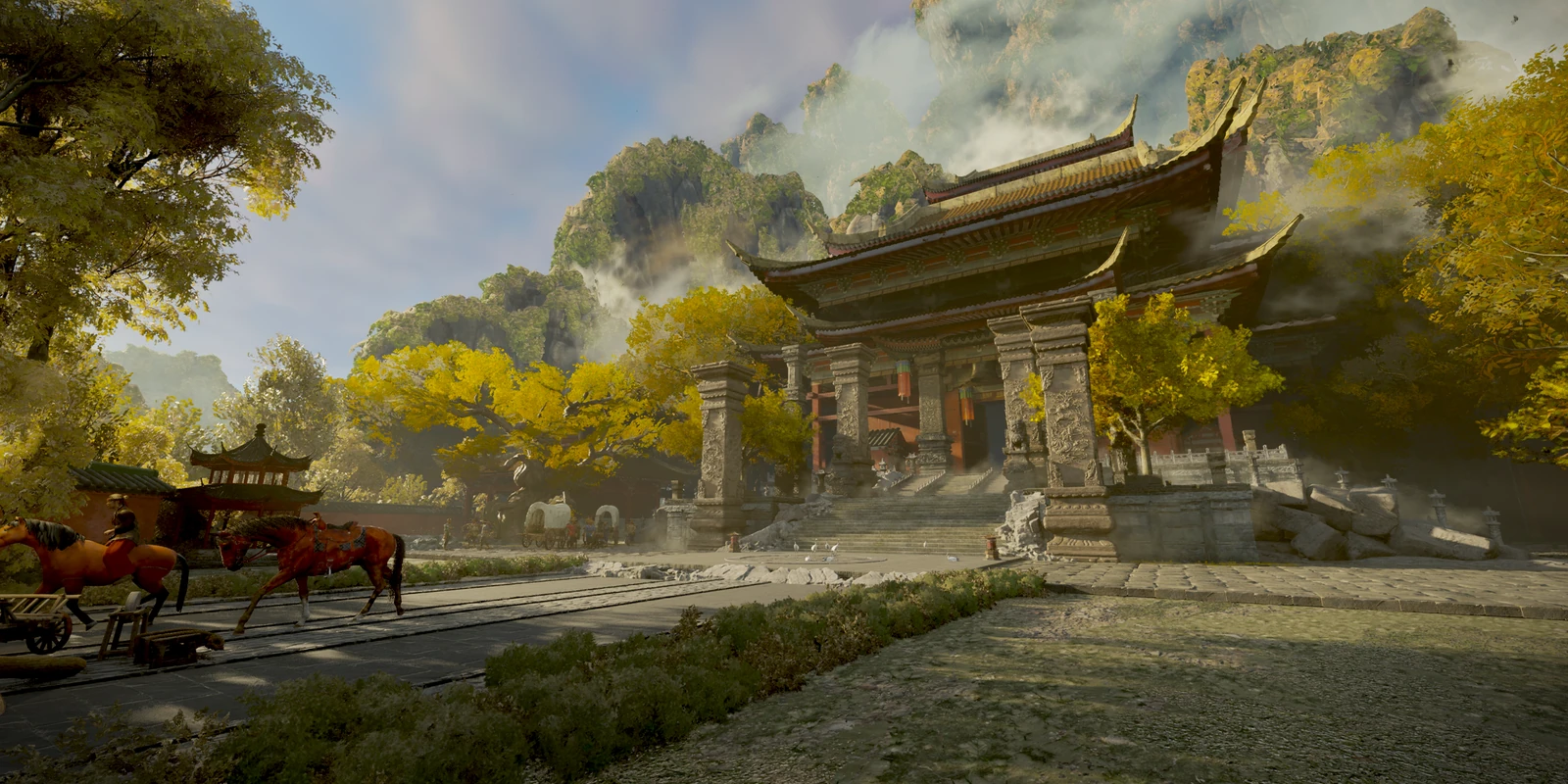
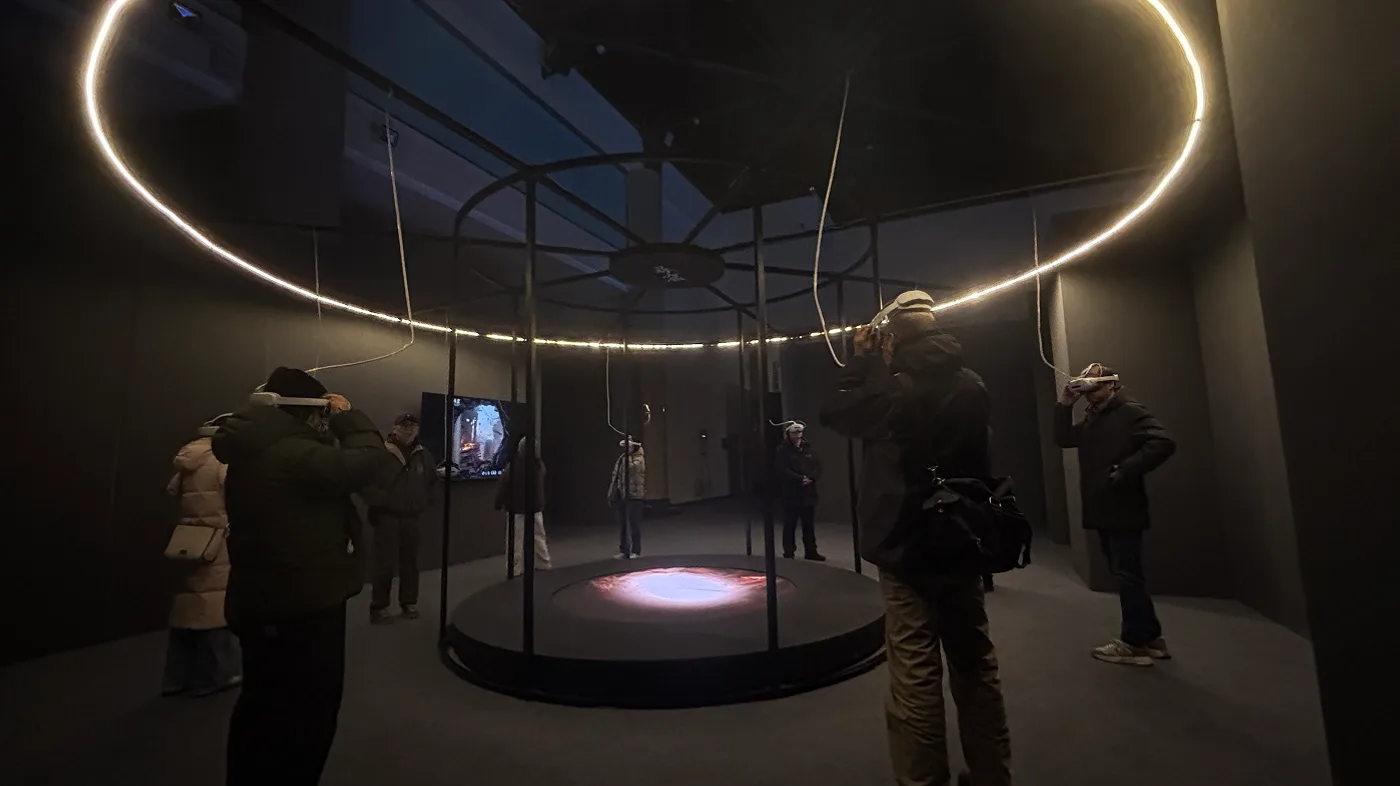
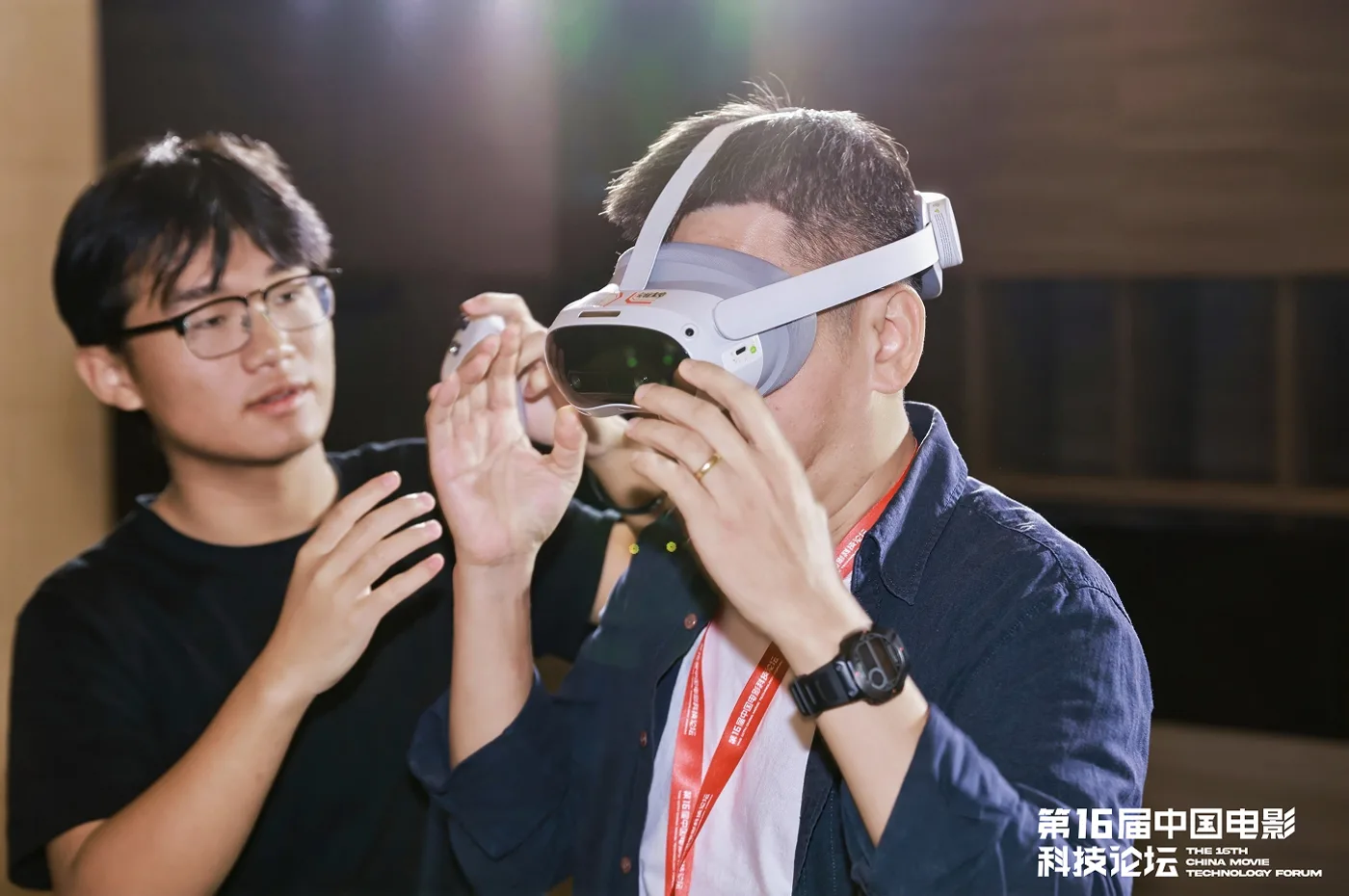
Deepcore was produced for Pico Enterprise headsets using UE5.6's Camera360v2 plugin, outputting a 3D 8K 360° 90 FPS immersive video that can be played on most commercial headsets and spatial computing devices. AI-assisted workflows were introduced into the creation of historical assets, including cave sculptures, architectural structures, and period objects, helping to shorten the art-production cycle while maintaining a cinematic visual quality. Within the constraints of real-time rendering, the team focused on spatial narrative, lighting, and sound positioning across the 360° environment, developing a transferable production approach for high-fidelity immersive video on personal devices.
Project record
Credits and references
Exhibitions
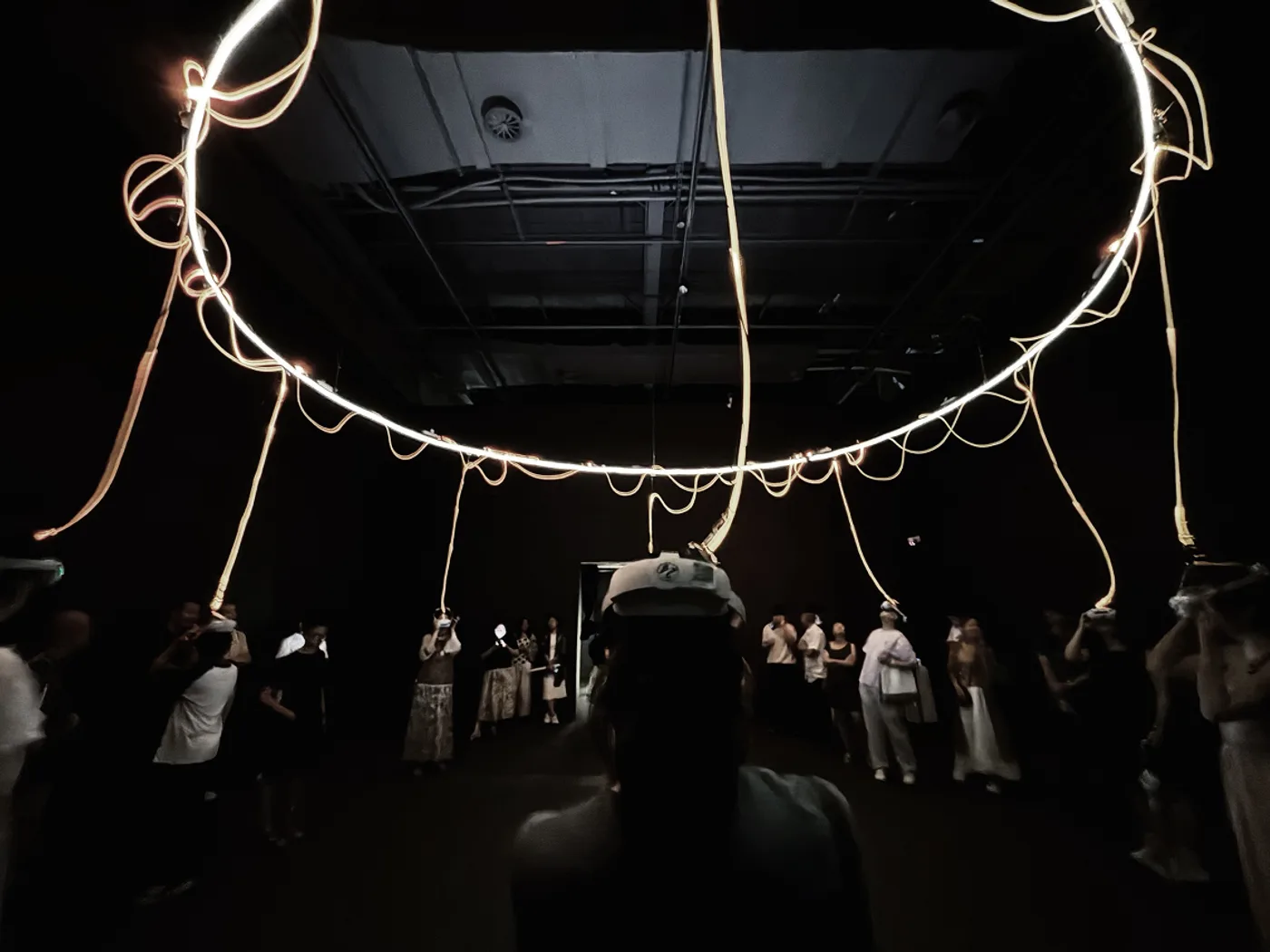
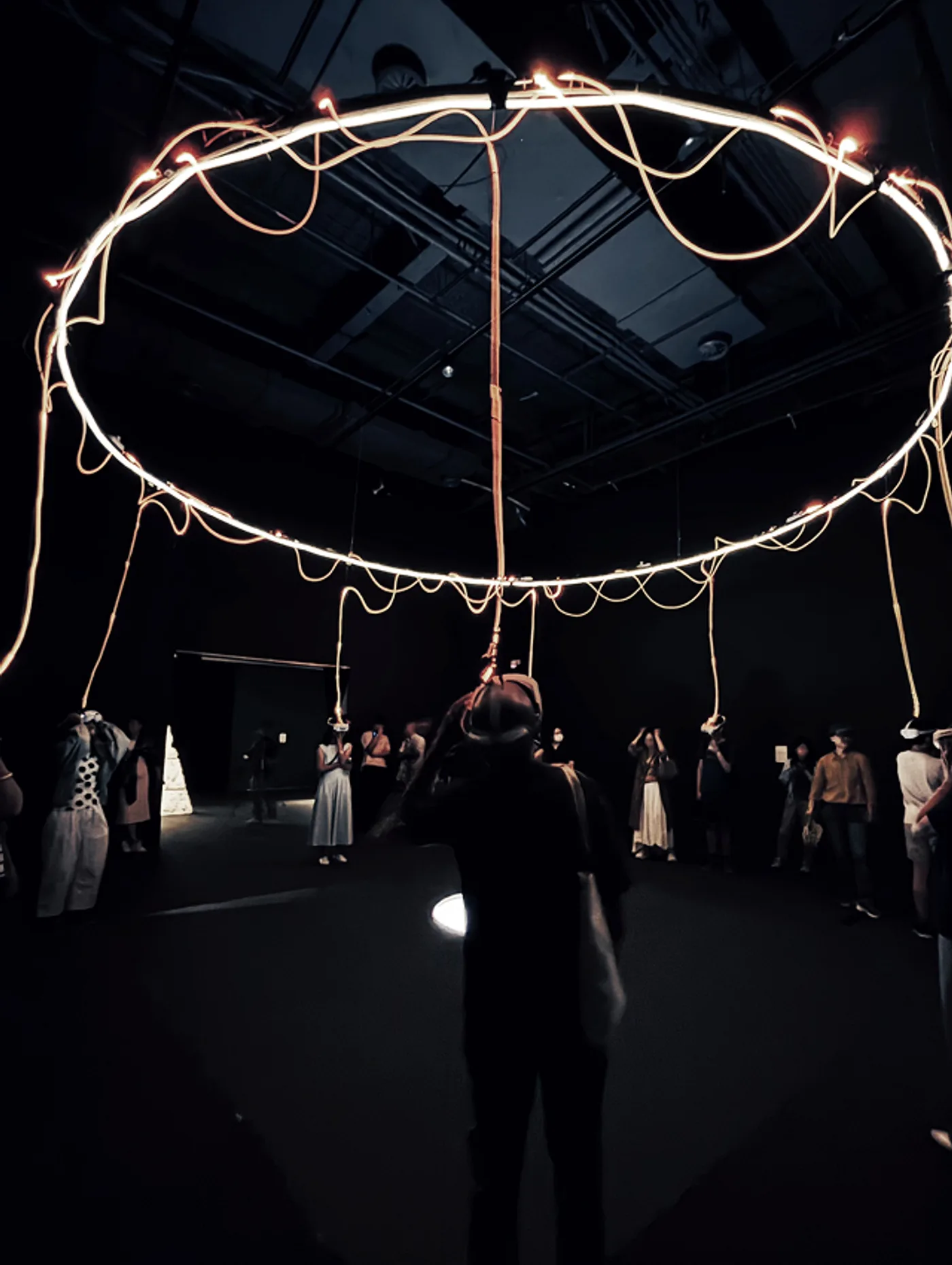
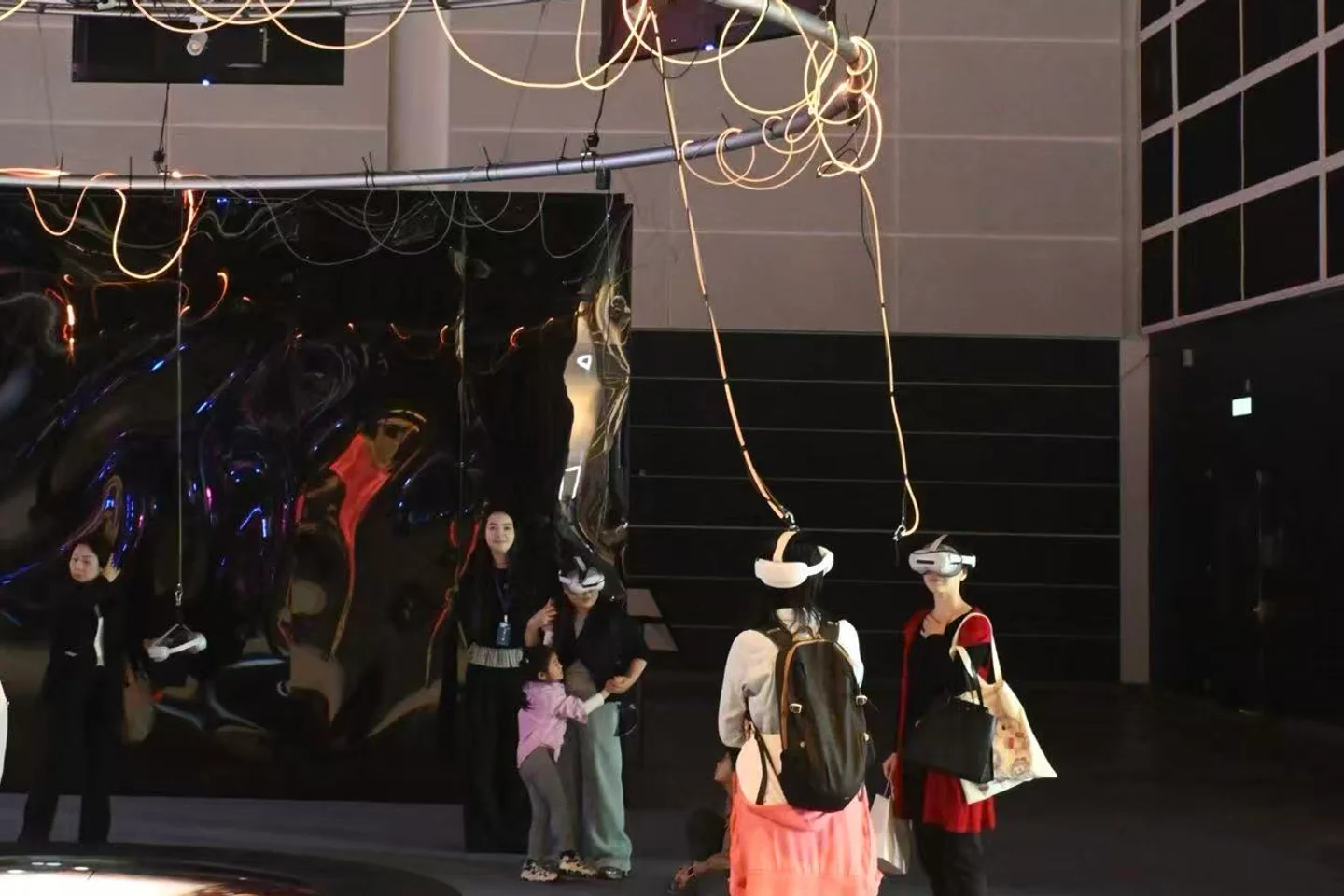
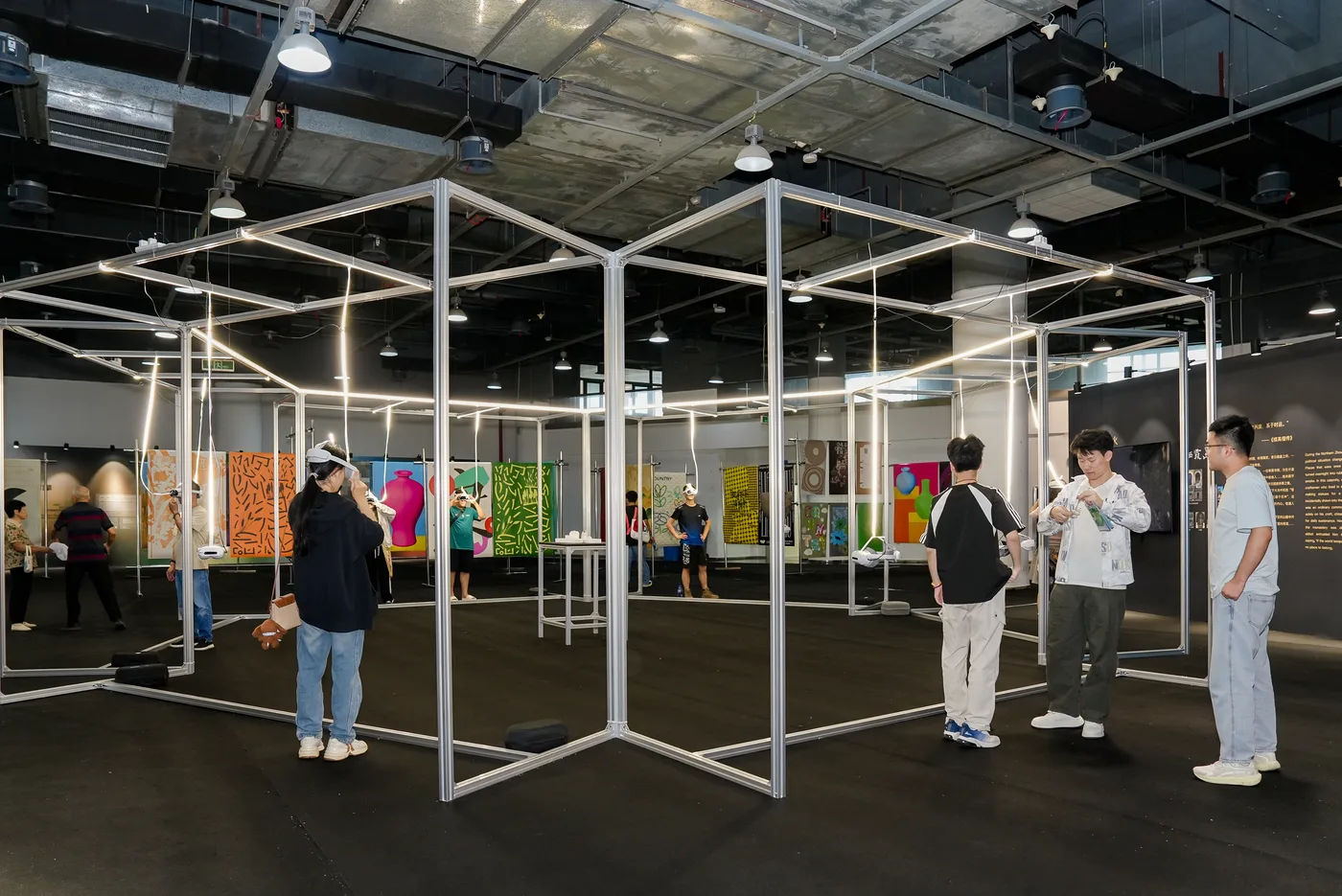
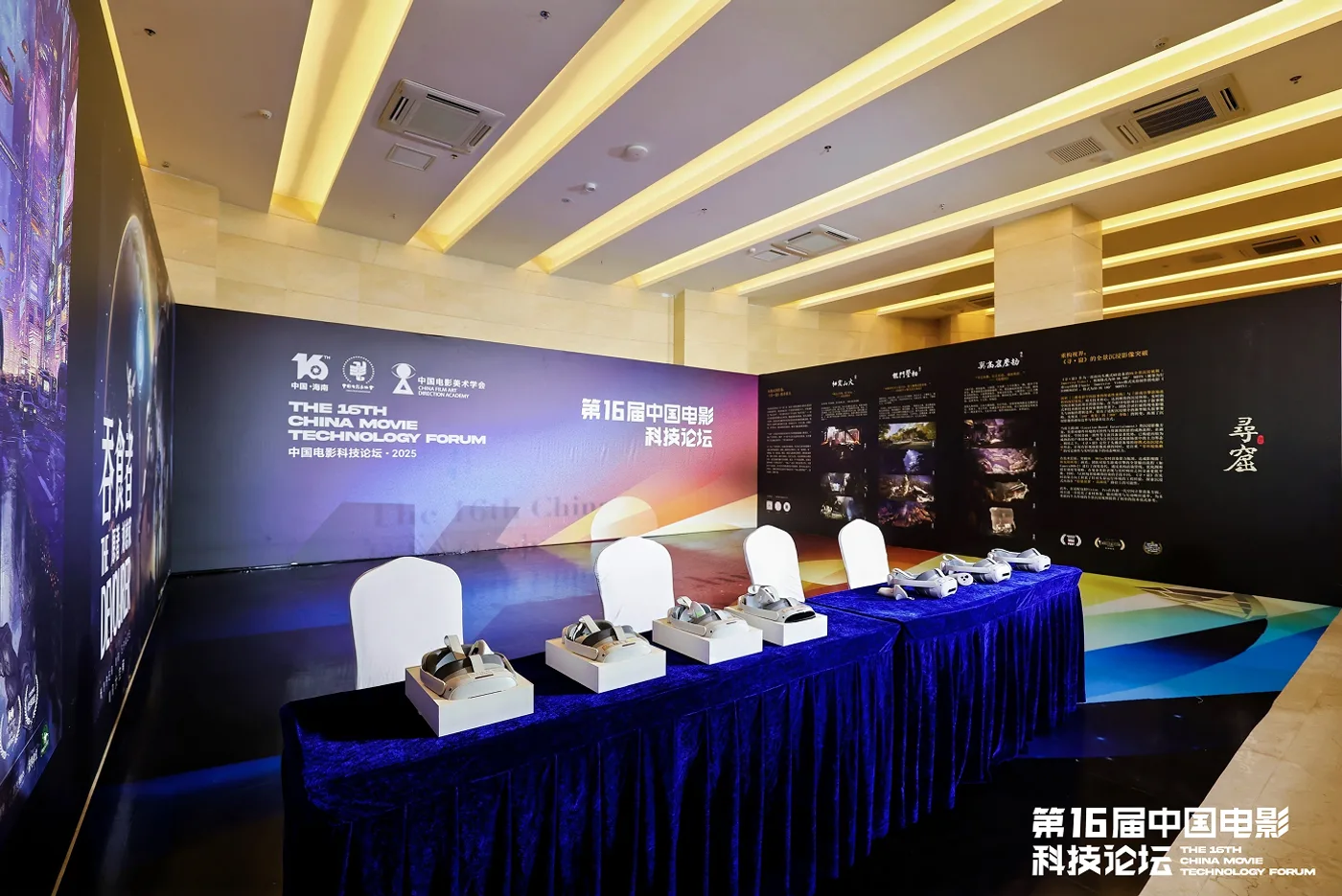
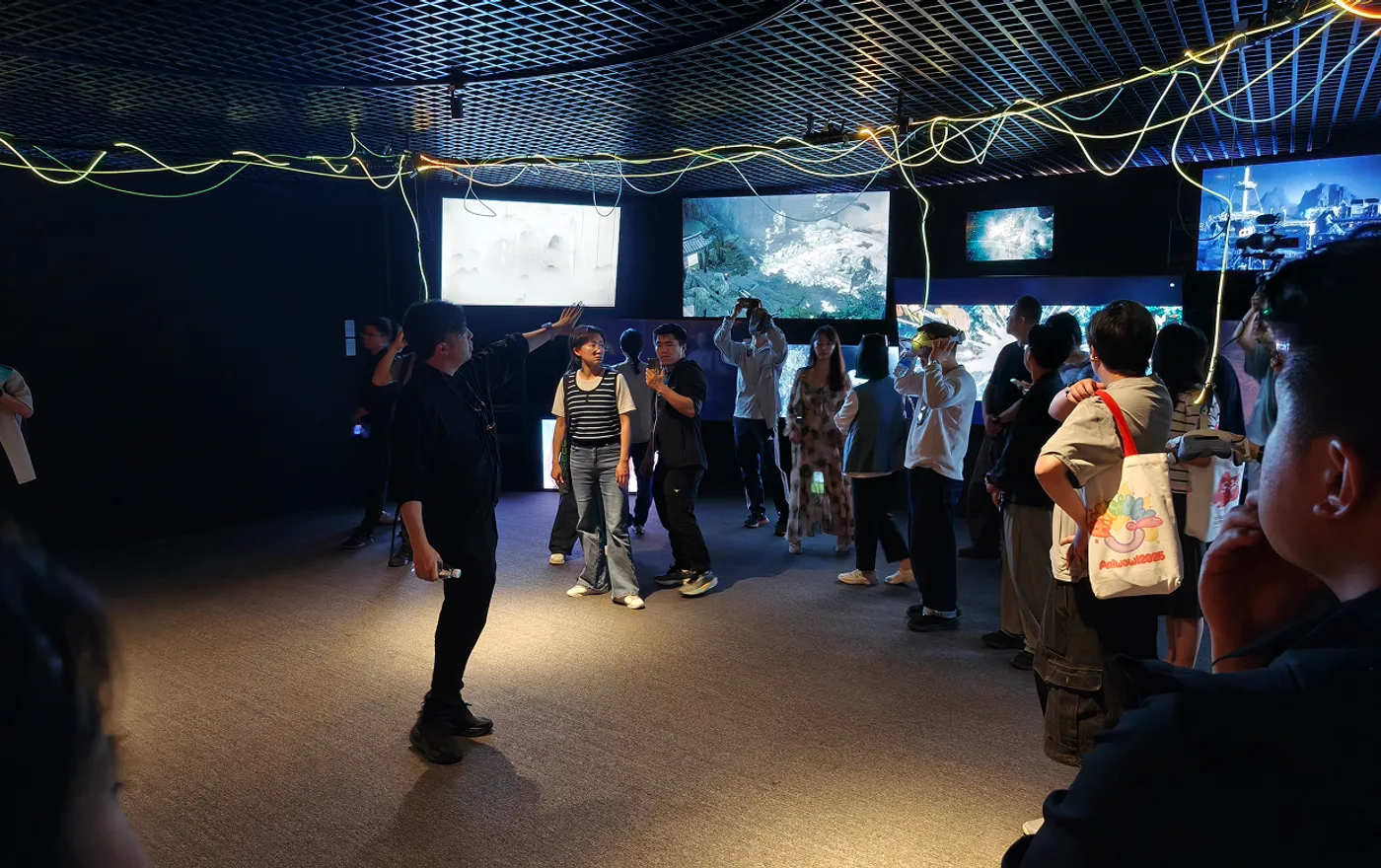
- Dunhuang Contemporary Art Museum, Shanghai — July 2025
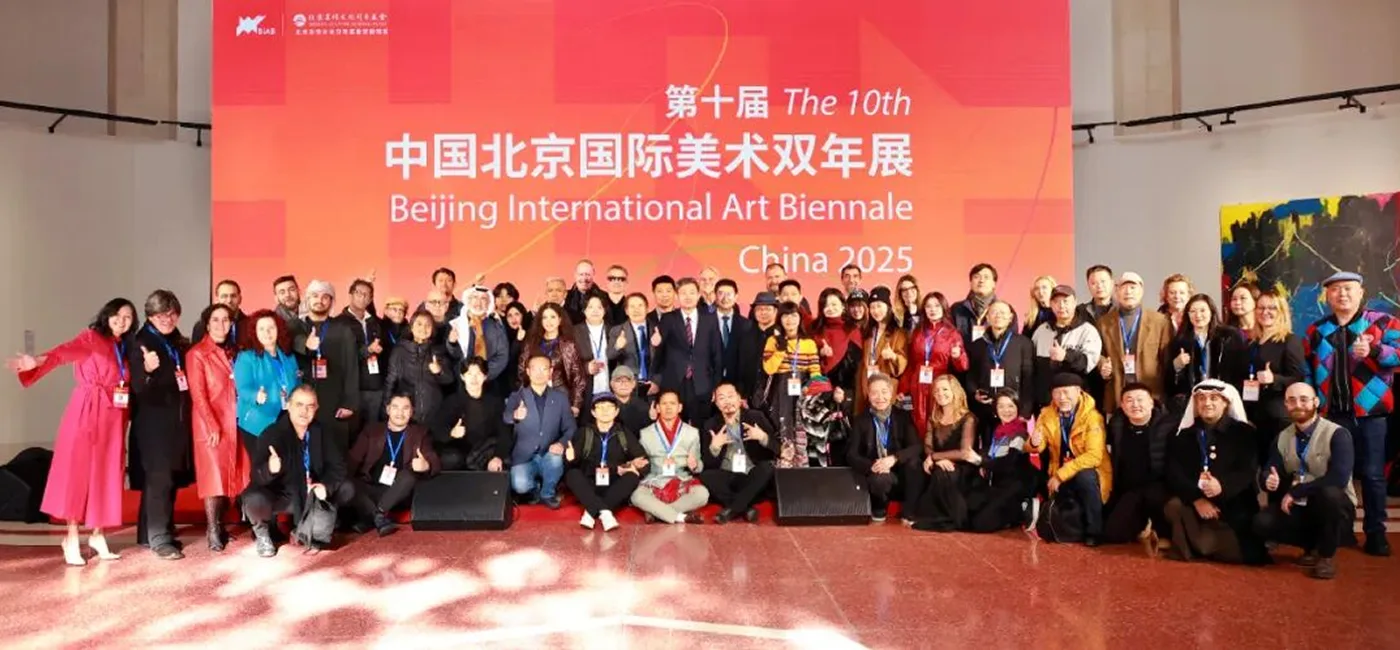
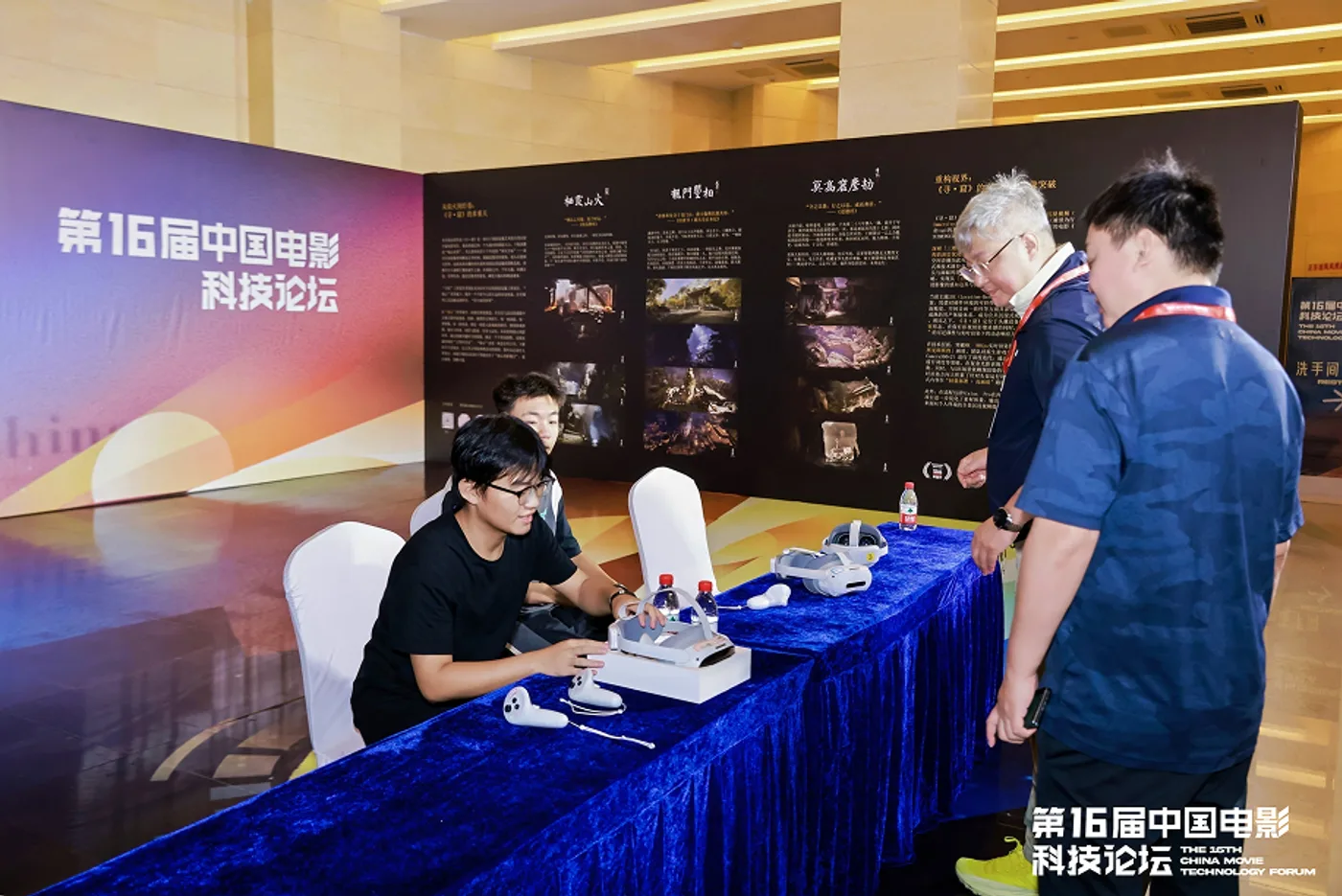
- Beijing Biennale Digital Art Special Exhibition, Beijing — October 2025
- 4th CDSA International Media Art and Creative Design Competition Exhibition, Milan — October 2025
- Hong Kong International AI Art Festival, Hong Kong — November 2025
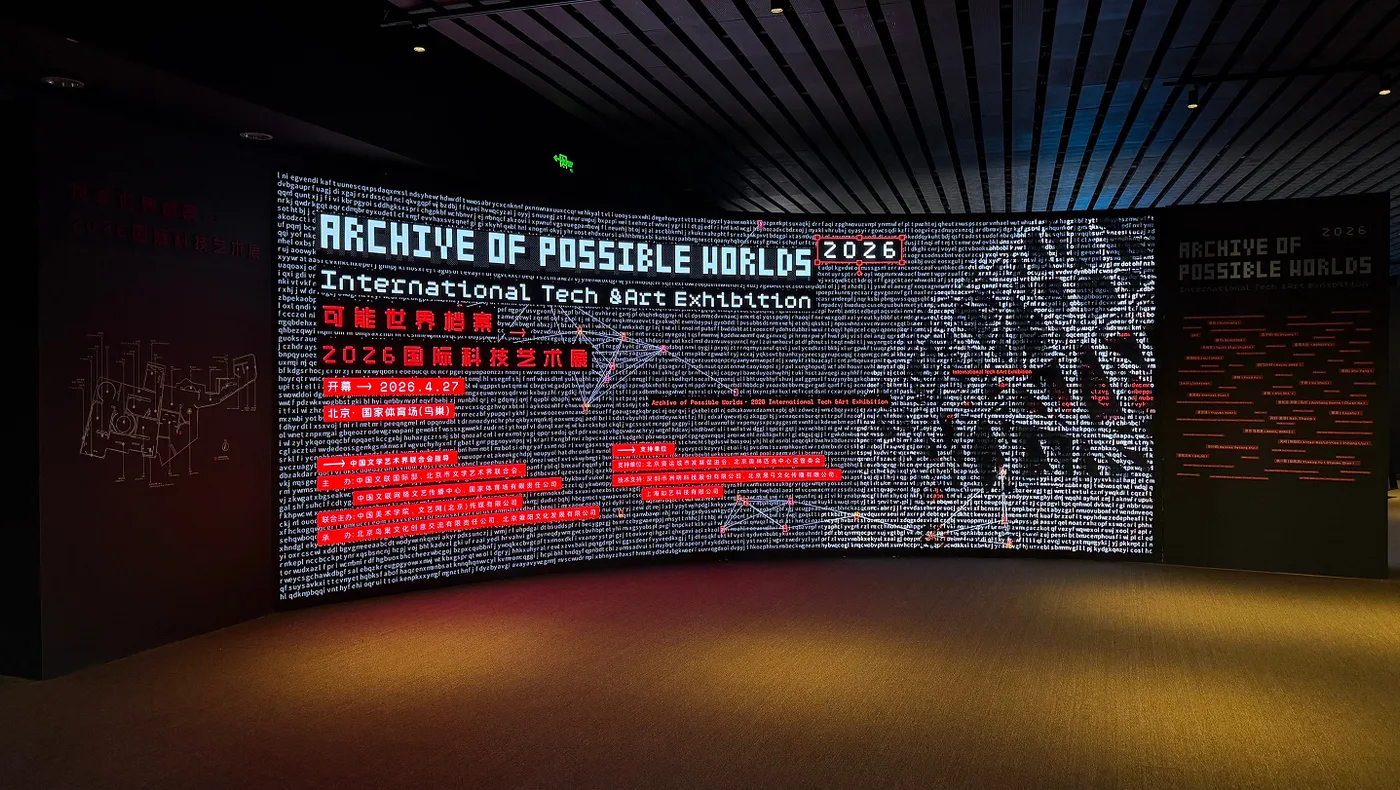
- Archives of Possible Worlds: 2026 International Art and Technology Exhibition, Beijing — April 2026
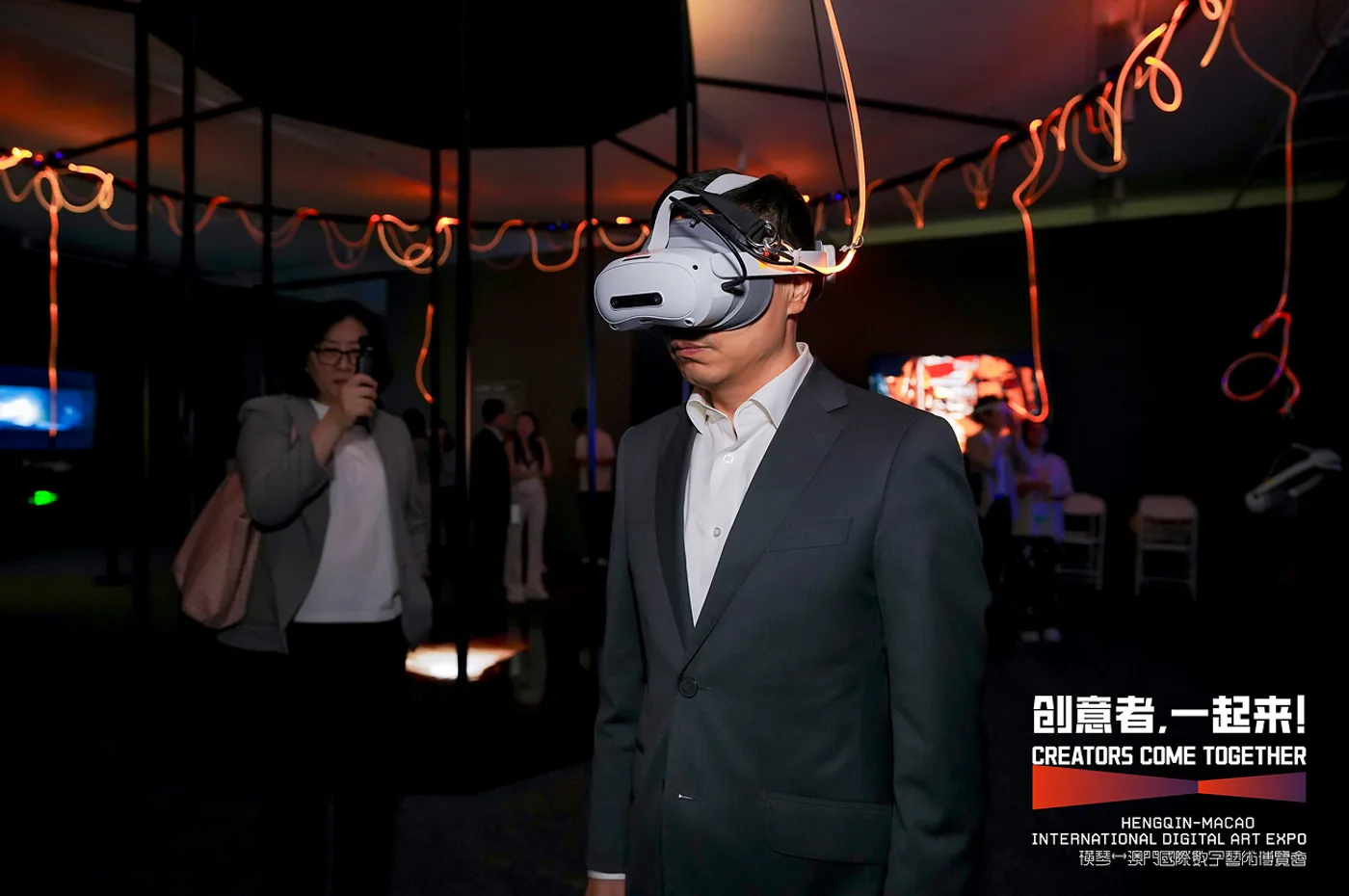
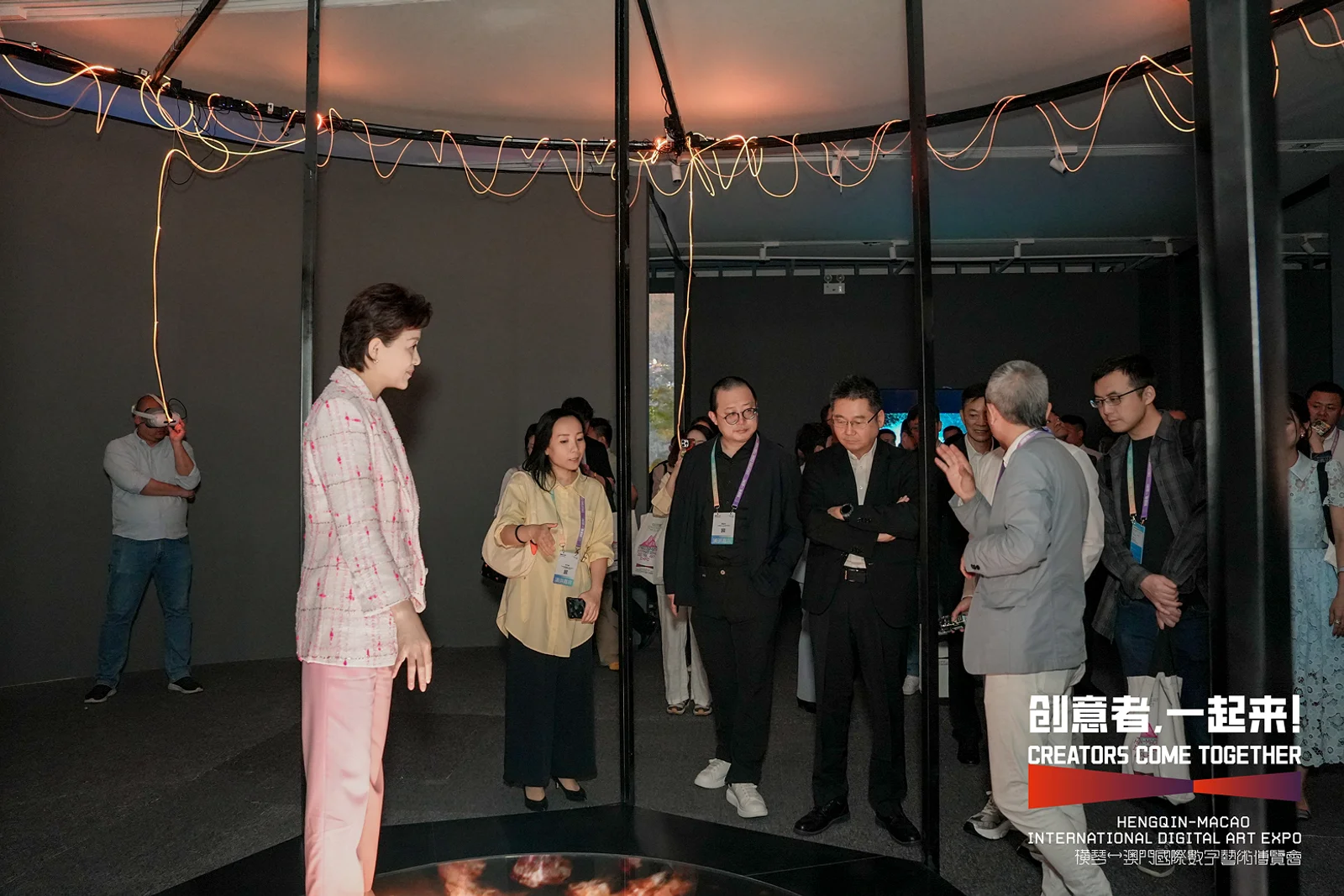
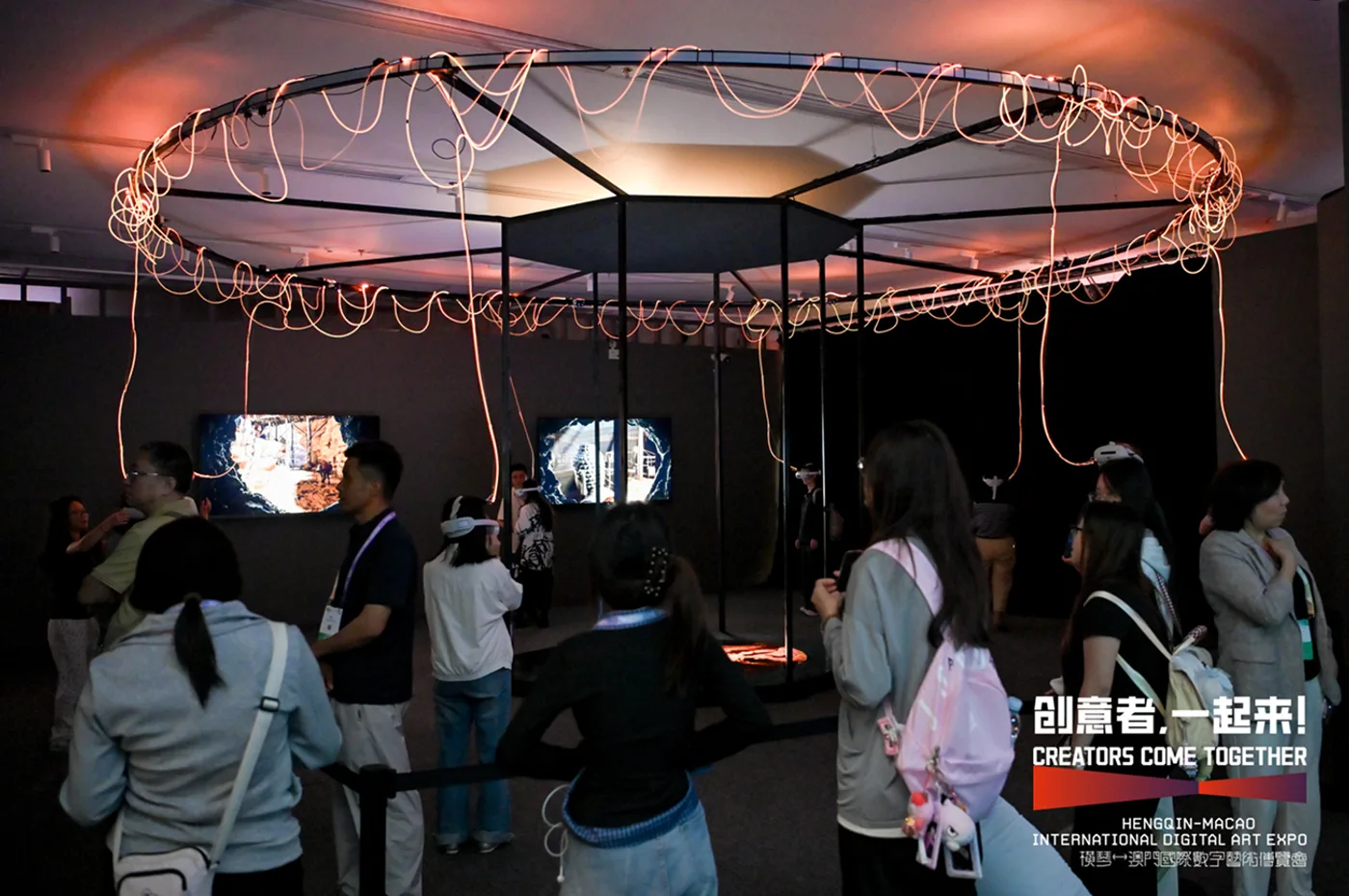
- 2026 Hengqin–Macao International Digital Art Expo, Zhuhai — April 2026
Awards / Selections
- Best Virtual Reality (Short), Cannes World Film Festival — 2025
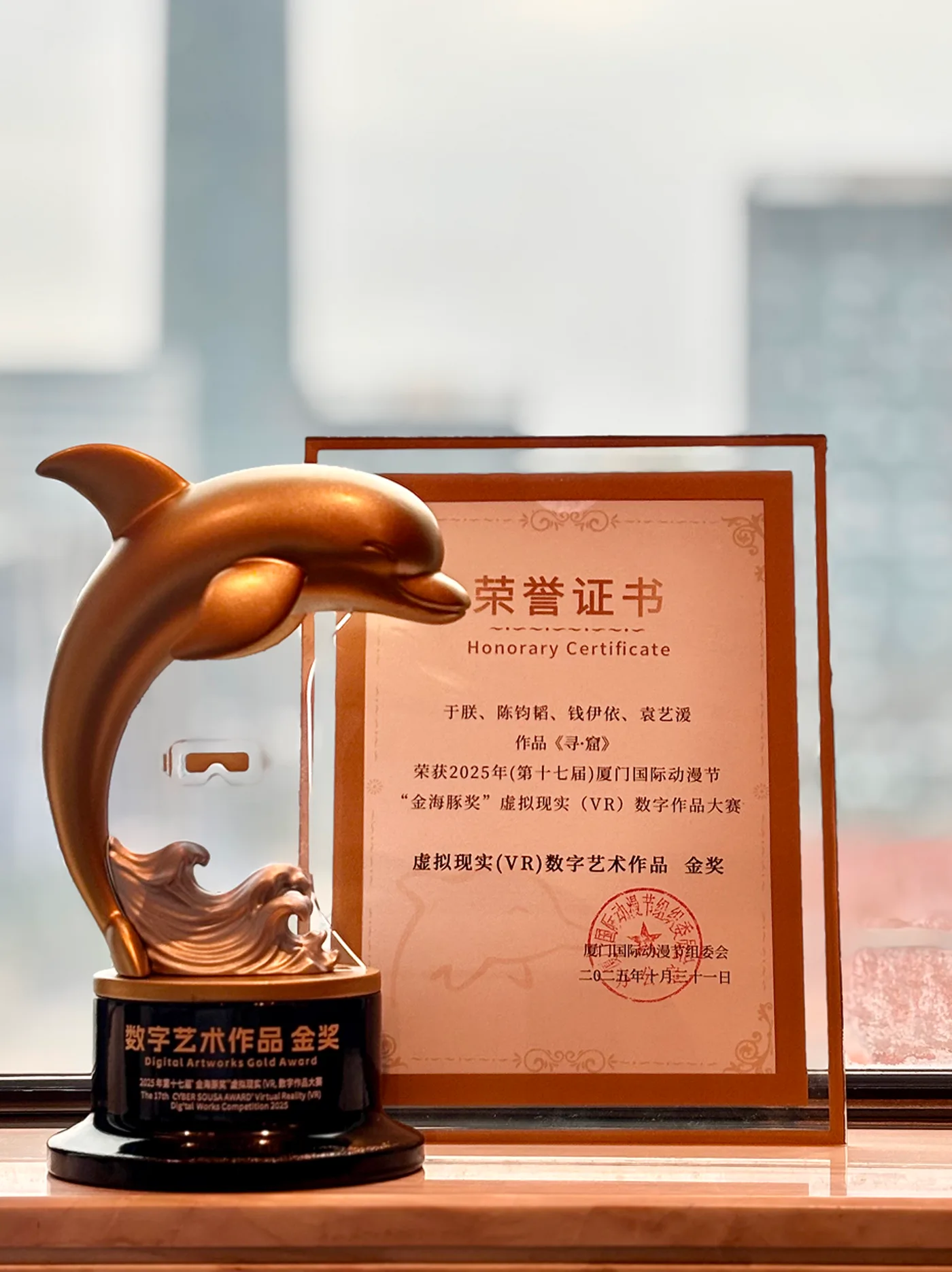
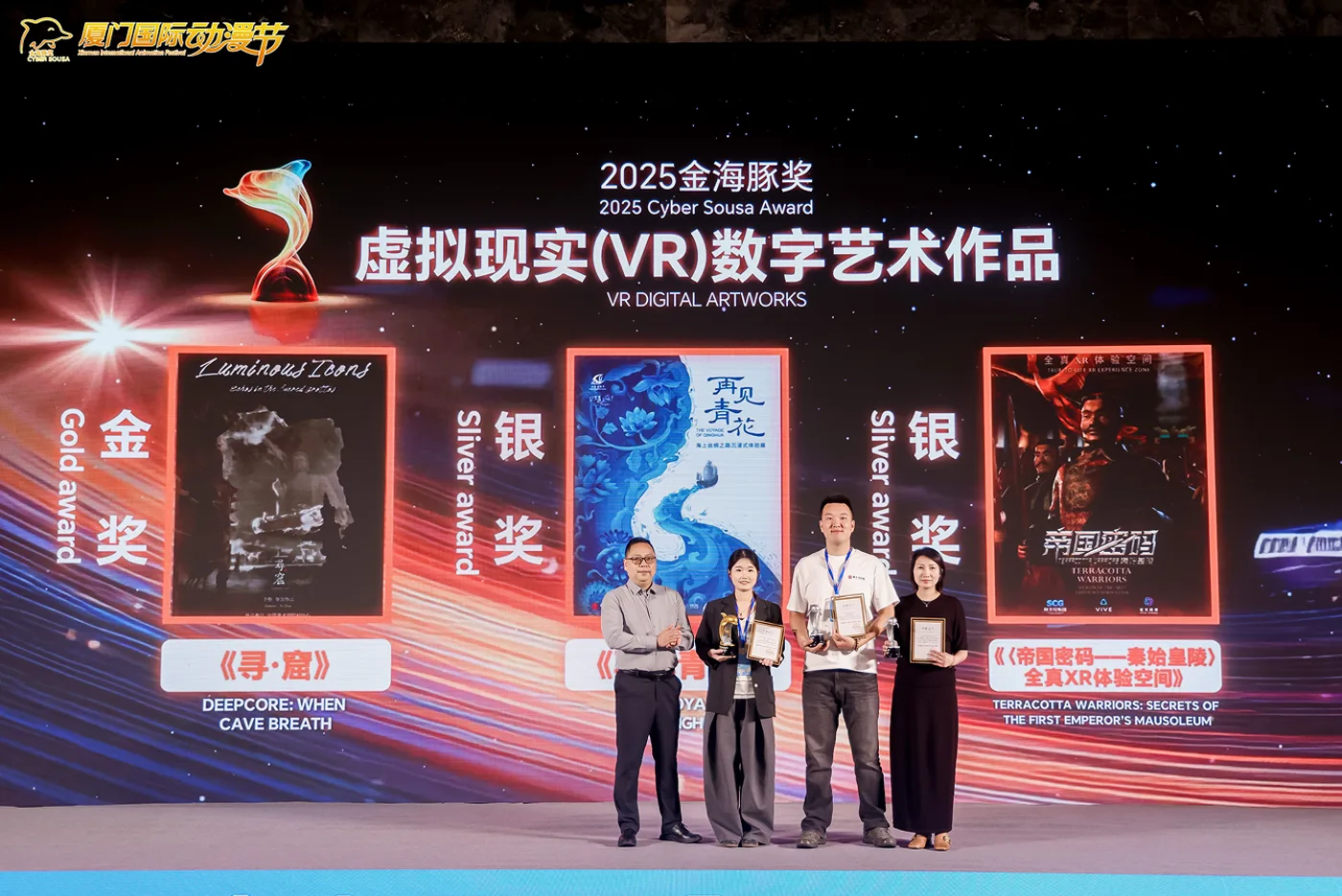
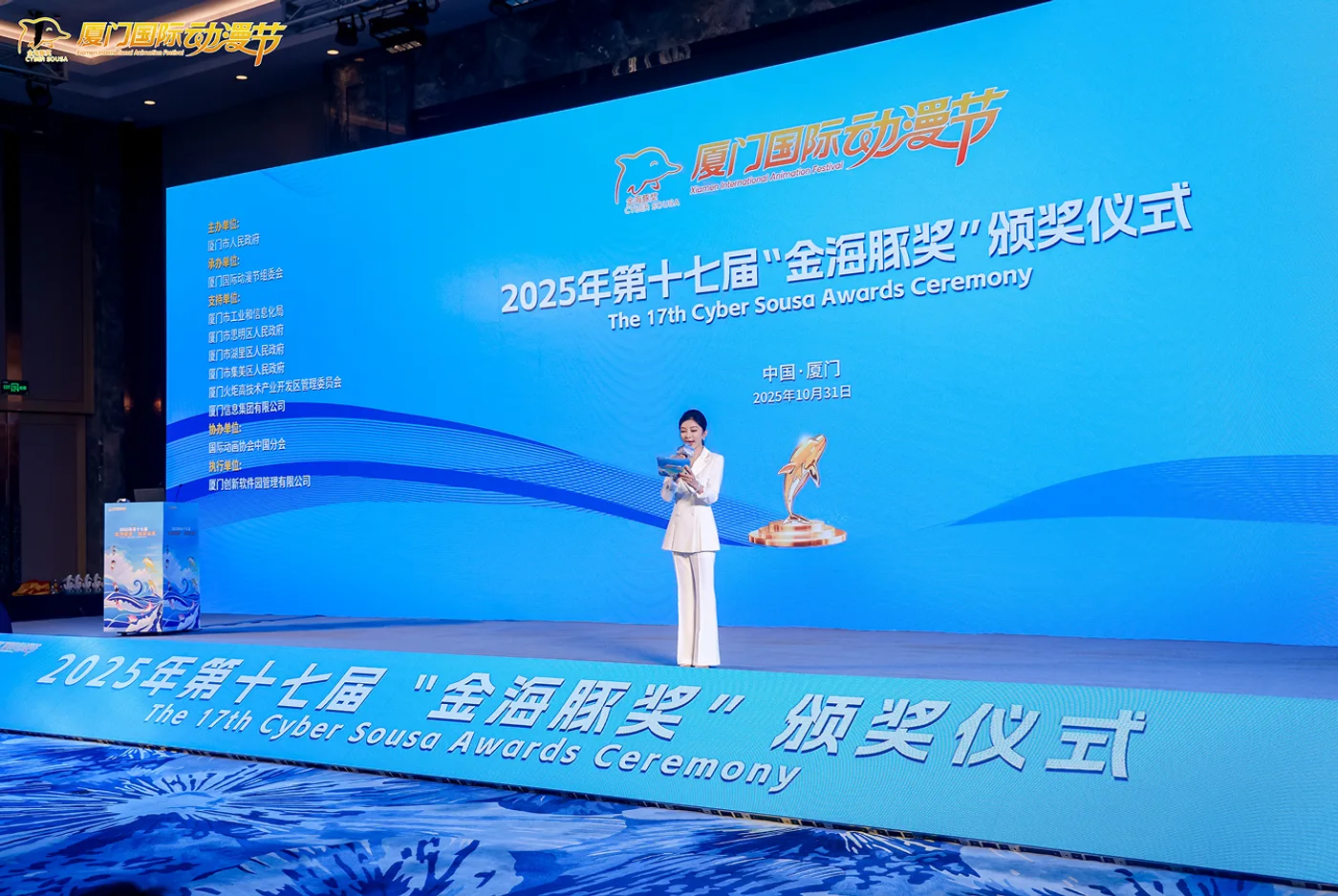
- Gold Award, Virtual Reality Category, and Best Education Award, Golden Dolphin Awards — 2025
- Official Selection, 4th Golden Rooster XR Film Festival — 2025
- Best Virtual Reality 360 and Best Visual Effects, Global Film Festival Awards — 2026
- Official Selection, Independent Days International Filmfest — 2026
- Best Virtual Reality Video, The Buddha International Film Festival — 2026
- Finalist, WSXA Paris International Film Festival — 2026
- Official Selection, Animaze – Montreal International Animation Film Festival — 2026







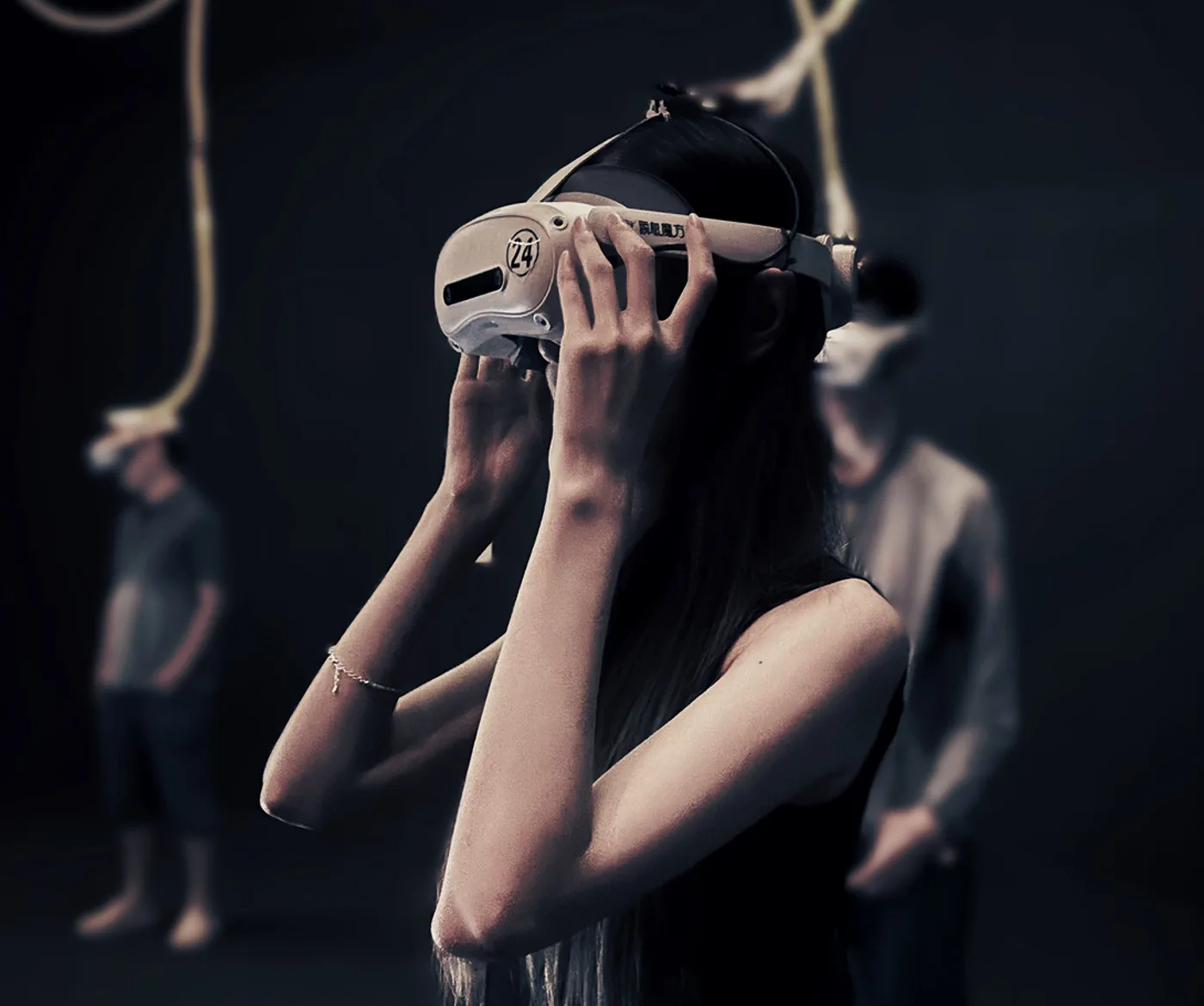
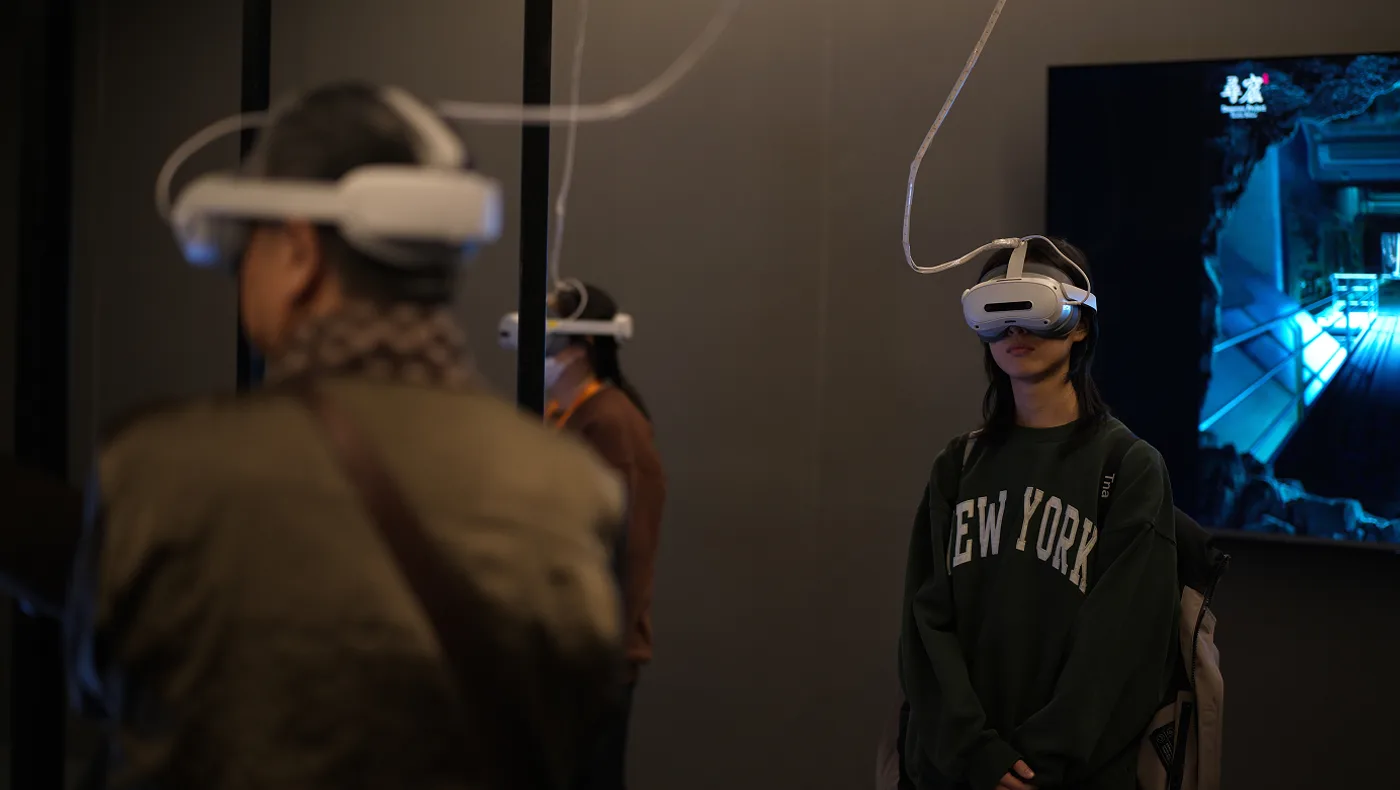
Exhibition documentation
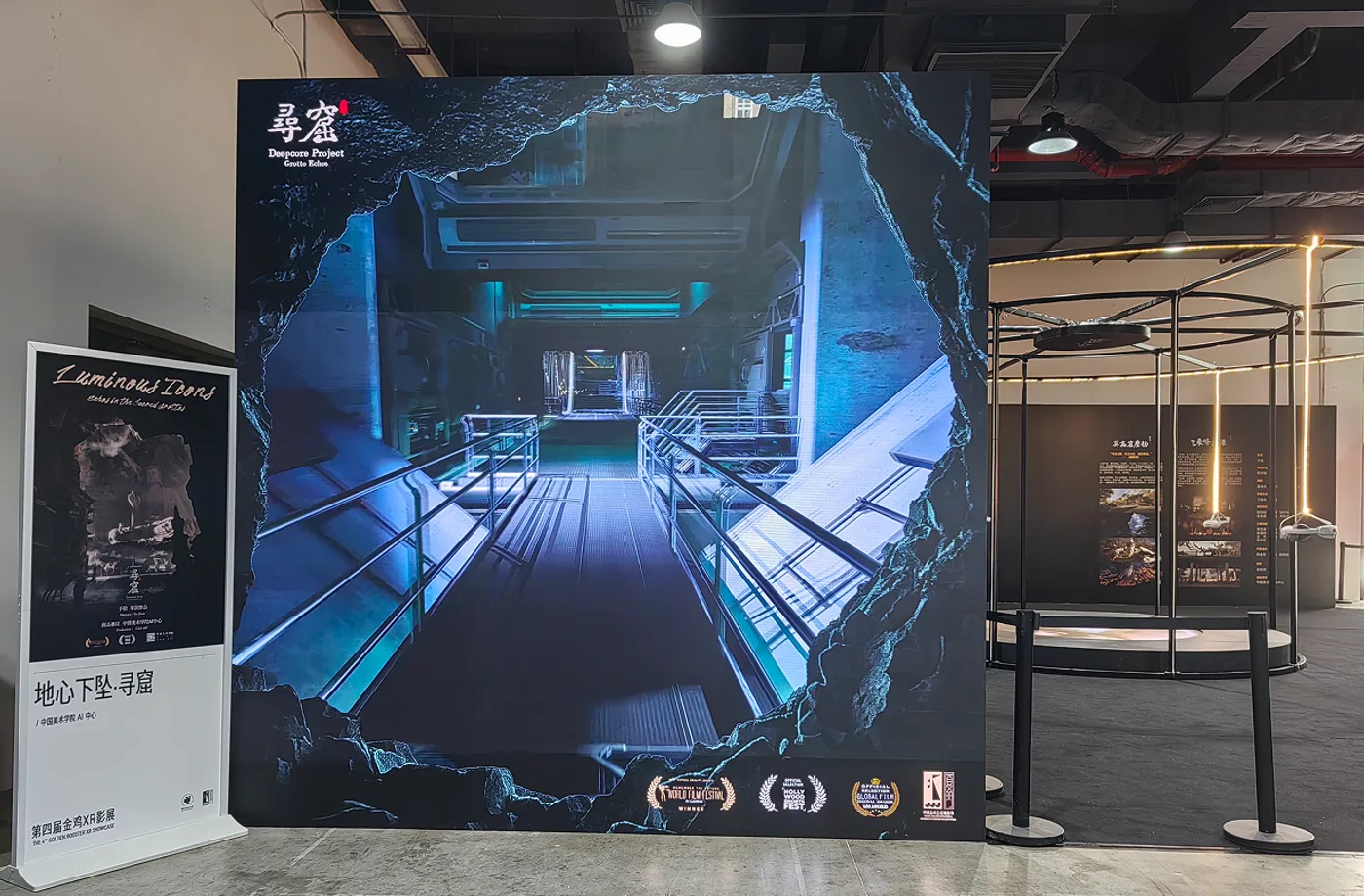
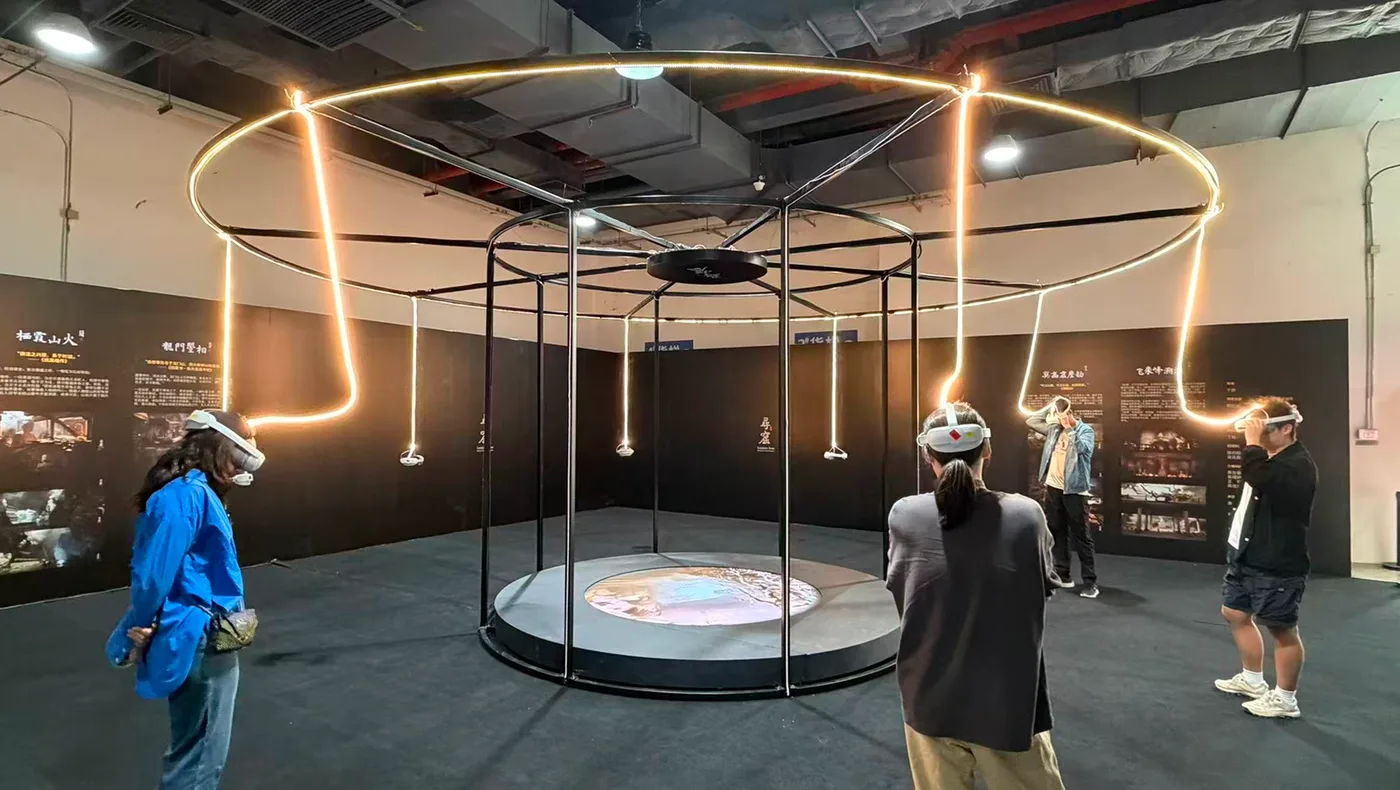
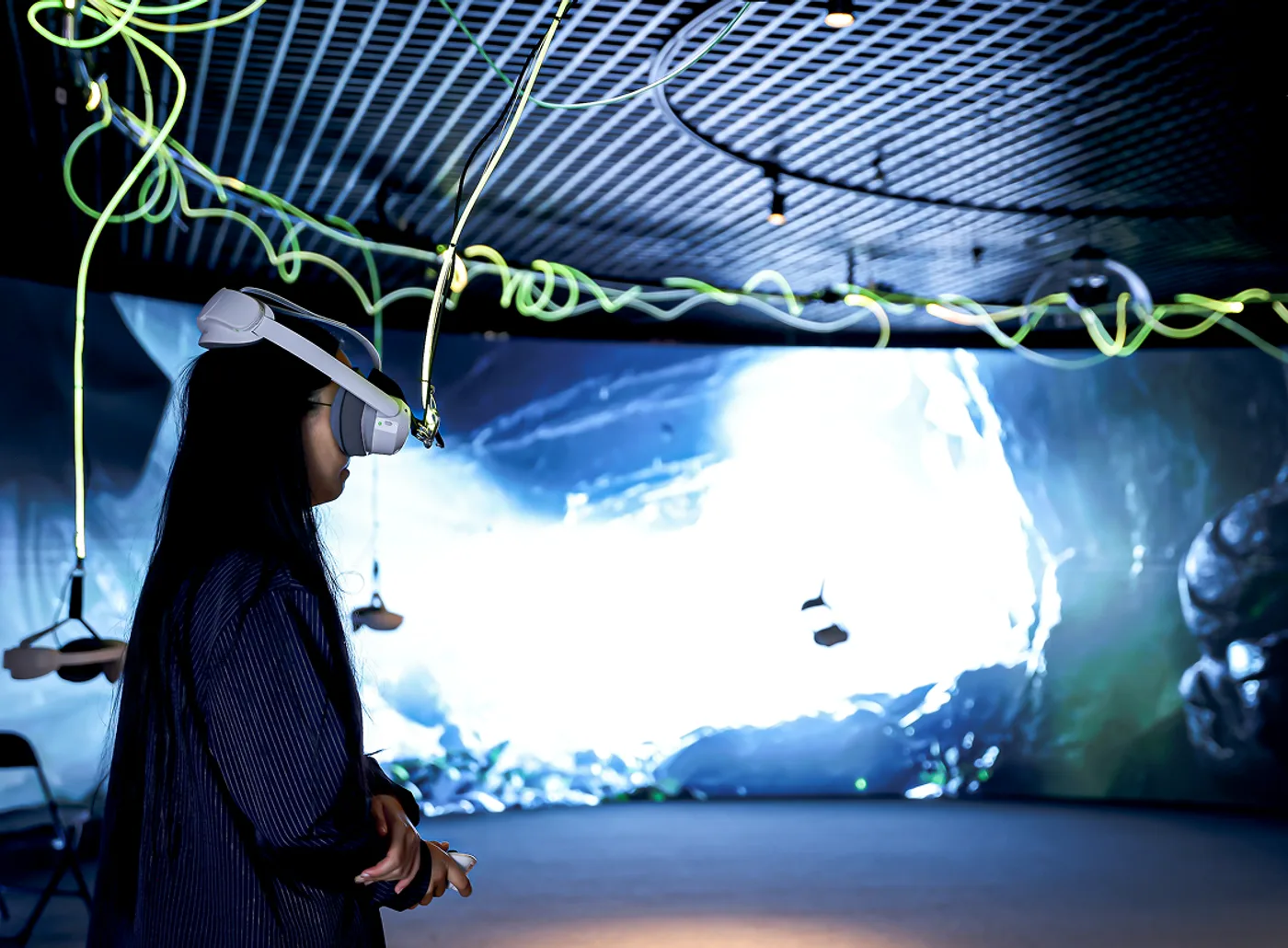
The team
- Director
- Zhen Yu
- Screenwriter
- Yiyi Qian
- Core Creative Team
- Yiyi Qian, Juntao Chen, Yiyuan Yuan, Wenjia Zhang, Yilei Wu, Jiahong Xu, Nayong Huang
- Editing / Compositing
- Guijie Ding, Jifang Li
- 3D Animation
- Tianbai Feng, Zirui Huang, Guijie Ding, Jialin He, Qingyang Ma, Jinyan Yuan, Wenxin Ye, Yi Zhou, Xinyu Xiong, Ziheng Yu, Shangjin Ma, Qianqian Pan, Keran Zhang, Li Zhang, Jiahong Jiang, Haochen Wang
- Sound Design
- Jinzhe Xiao, Jinyi Yang
- Producer
- Xinran Song
- Presented by
- China Academy of Art AI Center